
Container Plants for Hummingbirds and Butterflies: Create a Pollinator Paradise in Pots
Transform your patio, balcony, or doorstep into a vibrant pollinator haven. Discover the best container plants that attract hummingbirds and butterflies, learn expert care techniques, and design a nectar-rich garden that fits any space.
EXPLORE TOP PLANT PICKSWhy Container Gardening for Pollinators? Not everyone has a sprawling backyard, but that doesn't mean you can't enjoy the magic of hummingbirds and butterflies. Container gardens offer a flexible, space-saving solution that brings pollinators right to your window. With the right plant selection and a few design principles, even a small balcony can become a bustling pollinator rest stop.
Why Grow Container Plants for Hummingbirds and Butterflies?
Hummingbirds and butterflies are more than just beautiful visitors—they are essential pollinators that support the health of your entire garden ecosystem. Growing container plants that attract butterflies and hummingbirds is one of the most rewarding ways to invite these creatures into your outdoor living space, regardless of how much ground you have available.
Container gardening for pollinators offers several distinct advantages. You can control the soil quality, move plants to follow the sun, protect delicate species from frost, and tailor your plant selection to the specific needs of local hummingbird and butterfly populations. Whether you're working with a sunny patio, a partially shaded deck, or a windy balcony, containers give you the flexibility to create a pollinator-friendly microclimate anywhere.
Beyond the ecological benefits, these container gardens provide endless visual delight. Imagine sipping your morning coffee while a ruby-throated hummingbird hovers inches away from a scarlet salvia, or watching a monarch butterfly sun itself on a lantana bloom. That's the everyday magic that container pollinator gardens deliver.
Understanding What Hummingbirds and Butterflies Need
Before choosing plants, it helps to understand the distinct requirements of these two pollinator groups. While they share a love for nectar, their feeding mechanisms, host plant needs, and habitat preferences differ in important ways.
Hummingbird Essentials
Hummingbirds have long, slender bills designed to reach deep into tubular flowers. They are attracted primarily to red, orange, and pink blooms, though they will visit other colors once they learn a food source is reliable. Hummingbirds need high-energy nectar to fuel their rapid metabolism—they may feed every 10 to 15 minutes during peak activity. They also need fresh water for bathing and reliable perches for resting between feeding bouts.
In containers, the best hummingbird plants are those that produce abundant, accessible nectar and bloom over a long season. Tubular flowers like salvia, fuchsia, and cuphea are classic choices, and many of these perform beautifully in pots.
Butterfly Essentials
Butterflies require two distinct types of plants: nectar plants for adult feeding and host plants for caterpillars. Adult butterflies are attracted to flat, open flowers where they can land and sip nectar easily—think lantana, verbena, zinnias, and coneflowers. Host plants, on the other hand, are specific to each butterfly species. Monarchs need milkweed, black swallowtails need dill and parsley, and gulf fritillaries need passionflower.
For a container garden that supports butterflies through their full life cycle, include both nectar sources and compact host plants. This dual approach transforms your pots into complete butterfly habitats.
Related: Butterfly Plants: A Complete Guide to Attracting Butterflies and Hanging Flowering Plants That Attract Hummingbirds.
Top Container Plants for Hummingbirds and Butterflies
The following plants have earned their reputation as pollinator magnets and thrive in containers with proper care. Each entry includes notes on light, water, and which pollinators it attracts.
| Plant | Attracts | Light | Container Notes |
|---|---|---|---|
| Salvia (S. guaranitica, S. splendens) | Hummingbirds, butterflies | Full sun | Thrives in pots; choose compact varieties; drought-tolerant once established |
| Fuchsia | Hummingbirds | Part shade | Ideal for hanging baskets; keep soil consistently moist; protect from afternoon sun |
| Lantana | Butterflies, hummingbirds | Full sun | Excellent container plant; heat and drought tolerant; choose dwarf varieties |
| Cuphea (bat-faced, cigar plant) | Hummingbirds | Full sun to part shade | Compact habit; long bloom season; keep well-watered |
| Pentas | Butterflies, hummingbirds | Full sun | Cluster of star-shaped flowers; thrives in containers; deadhead regularly |
| Verbena | Butterflies | Full sun | Trailing varieties suit hanging baskets; good drainage essential |
| Zinnia (dwarf varieties) | Butterflies | Full sun | Compact cultivars work well in pots; excellent cut flowers; sow directly |
| Milkweed (Asclepias, compact varieties) | Monarch butterflies (host) | Full sun | Essential host plant; choose swamp milkweed or butterfly weed for containers |
| Bee Balm (Monarda) | Hummingbirds, butterflies | Full sun to part shade | Choose dwarf cultivars; keep soil moist; good air circulation prevents mildew |
| Passionflower (Passiflora) | Gulf fritillary (host), butterflies | Full sun | Vigorous vine; needs trellis; container-friendly with pruning |
Hummingbird-Focused Container Plants
For a container garden dedicated to hummingbirds, prioritize plants with tubular flowers in red, orange, and magenta hues. Salvia is arguably the single best container plant for hummingbirds—it blooms prolifically, tolerates pot culture, and returns year after year in warmer zones. Fuchsia is another superstar, especially in hanging baskets where the pendulous flowers are perfectly positioned for hovering hummers.
Cuphea, sometimes called cigar plant or bat-faced cuphea, is a lesser-known gem that deserves wider use. It blooms nonstop from spring to frost, stays compact, and hummingbirds adore it. Pair it with trailing verbena and a spiky salvia for a container that's both beautiful and functional.
For more inspiration, see Hanging Plants That Attract Hummingbirds and Butterflies.
Butterfly-Focused Container Plants
Butterfly containers should include both nectar sources and host plants. Lantana is the undisputed champion of butterfly nectar plants—its flat clusters of tiny flowers provide the perfect landing pad, and it thrives in containers with minimal fuss. Verbena and zinnias are close runners-up, offering abundant nectar over a long season.
Don't forget host plants. A container of dill or parsley will attract black swallowtails, who will lay eggs on the foliage. Compact milkweed varieties support monarchs, and passionflower vines—grown on a small trellis—provide food for gulf fritillary caterpillars.
Explore more options in Hanging Plants Good for Hummingbirds and Butterflies.
Designing a Pollinator Container Garden
A well-designed container garden is more than a random collection of plants—it's a miniature ecosystem. Consider these principles when planning your pollinator pots.
Thriller, Filler, Spiller
The classic container design formula works beautifully for pollinator gardens. Choose a tall "thriller" plant like salvia or bee balm for the center, medium-height "fillers" like pentas or lantana around it, and trailing "spillers" like verbena or cuphea cascading over the edge. This layered approach maximizes bloom coverage and gives pollinators multiple feeding stations within a single pot.
Group Containers Together
Pollinators are more likely to visit a cluster of containers than a single isolated pot. Group three to five containers of varying heights together to create a substantial pollinator destination. This also makes watering and maintenance more efficient.
Include a Water Source
Butterflies need shallow water to drink and extract minerals. A small dish filled with wet sand or pebbles makes an ideal butterfly puddling station. Hummingbirds prefer moving water for bathing—a small solar fountain or dripper works well. Consider adding a bird bath or a solar bird bath fountain near your containers to complete the habitat.
Pro Tip: Place a few flat stones in your containers or on the soil surface. Butterflies love to bask on warm rocks in the morning sun, and these simple additions make your pots more inviting.
Choosing the Right Containers
The container itself matters as much as the plants. Here's what to look for:
- Size: Bigger is better. A 14- to 20-inch diameter pot holds enough soil to support healthy root growth and retains moisture longer. Small pots dry out too quickly, especially in summer heat.
- Drainage: Every container must have drainage holes. Pollinator plants—especially those from Mediterranean climates like lantana and verbena—are susceptible to root rot in waterlogged soil.
- Material: Terracotta is breathable and classic, but dries out faster. Glazed ceramic and resin pots retain moisture better and come in a range of colors to complement your home. Avoid dark-colored pots in hot climates, as they absorb more heat.
- Mobility: If you want to move plants to follow the sun or protect them from storms, choose pots with casters or place them on plant stands.
For more garden structure inspiration, see Garden Structures and Garden Ornaments.
Soil, Watering, and Ongoing Care
The Right Potting Mix
Use a high-quality potting mix designed for containers—not garden soil, which compacts and drains poorly in pots. Look for a mix that contains peat moss or coco coir for moisture retention, perlite for drainage, and a slow-release fertilizer to get plants off to a strong start.
For drought-tolerant plants like lantana and verbena, amend the mix with extra perlite. For moisture-lovers like fuchsia and bee balm, choose a mix with more organic matter.
Watering Wisely
Container plants dry out faster than garden plants, especially in summer. Check soil moisture daily by inserting a finger about an inch deep. Water when the top inch feels dry—typically every day or two in hot weather. Water thoroughly until it runs out the drainage holes, and avoid letting pots sit in saucers of standing water.
A drip irrigation system or gravity-fed drip irrigation can simplify watering for larger container collections. For smaller setups, a quality watering can and hose nozzle are essential tools.
Feeding for Bloom Power
Heavy bloomers need regular feeding. Use a balanced liquid fertilizer every two to four weeks, or mix slow-release granules into the potting soil at planting time. Avoid high-nitrogen fertilizers, which promote leafy growth at the expense of flowers—pollinators want blooms, not foliage.
Deadheading and Pruning
Remove spent flowers regularly to encourage continued blooming. Deadheading is especially important for zinnias, verbena, and salvia. Pinch back leggy stems to promote bushier growth and more flower buds.
Pest Management
Avoid broad-spectrum pesticides, which kill beneficial insects along with pests. Use targeted, organic methods instead: hand-pick caterpillars if they're decimating host plants, use insecticidal soap for aphids, and encourage beneficial predators. Remember that caterpillars on your dill and milkweed are butterfly babies, not pests—plant extra to share. For natural pest control methods, see Natural Pest Control.
Seasonal Transitions
As summer fades, refresh containers with cool-season bloomers or bring tender perennials indoors before frost. In warmer zones, many pollinator plants—salvia, cuphea, lantana—will bloom through winter with protection. For year-round color ideas, see Year-Round Garden Plan.
What to Look for When Buying Pollinator Container Plants
When shopping for container plants, prioritize healthy starts over flashy blooms. Look for compact, bushy plants with deep green foliage and strong stems. Avoid plants with yellowing leaves, leggy growth, or signs of pest infestation. Check the undersides of leaves for aphids or whiteflies, and inspect the roots if possible—healthy roots are white and firm, not brown and mushy.
Buying transplants rather than seeds gives you a head start, especially in short-season climates. Choose varieties specifically bred for container culture—dwarf or compact cultivars that won't outgrow their pots. Native plant nurseries often carry regionally appropriate species that support local pollinators most effectively.
For tool recommendations to support your container gardening, see Gardening Tools and Budget-Friendly Tools.
Troubleshooting Common Container Problems
- No pollinators visiting? Check that your plants are actually blooming (not just growing foliage). Ensure containers receive at least six hours of direct sun. Add more plants—pollinators respond to abundance.
- Plants wilting despite watering? Poor drainage or compacted soil may be the culprit. Repot with fresh, well-draining mix and ensure drainage holes are clear.
- Leggy, sparse growth? Insufficient light or too much nitrogen fertilizer. Move pots to a sunnier spot and switch to a bloom-boosting fertilizer.
- Caterpillars eating your host plants? That's the point! Plant extra dill, parsley, and milkweed so there's enough for both caterpillars and your enjoyment.
For weed control around container areas, see Best Way to Kill Grass and Weeds in Flower Beds and Home Remedies to Get Rid of Weeds.
Frequently Asked Questions
What are the best container plants for hummingbirds?
The best container plants for hummingbirds include salvias, fuchsias, cuphea, lantana, pentas, and verbena. These produce tubular, nectar-rich flowers that hummingbirds can easily access and thrive in pots with proper drainage and sunlight.
What container plants attract butterflies?
Butterfly-attracting container plants include dwarf butterfly bush, lantana, verbena, coneflowers, zinnias, and milkweed. Include host plants like dill, fennel, parsley, and passionflower to support the full butterfly life cycle.
Can I grow butterfly and hummingbird plants in pots on a patio?
Absolutely. Container gardening is ideal for patios and balconies. Use large pots with drainage, quality potting mix, and group containers together in full sun to create a pollinator-friendly micro-habitat.
What flowers attract both hummingbirds and butterflies?
Lantana, salvia, verbena, pentas, zinnias, and bee balm attract both hummingbirds and butterflies. These dual-purpose plants offer abundant nectar and are easy to grow in containers.
How often should I water container plants for pollinators?
Check soil moisture daily during hot weather and water when the top inch is dry—usually every one to two days. Containers dry out faster than garden beds, so consistent watering is key to keeping blooms coming.
Start Your Pollinator Container Garden Today
Container gardening for hummingbirds and butterflies is one of the most accessible, rewarding ways to connect with nature—no matter how small your outdoor space. With a few well-chosen plants, the right containers, and a bit of regular care, you can create a vibrant pollinator haven that brings color, movement, and life to your patio, balcony, or doorstep.
Start with the reliable performers covered in this guide—salvia, lantana, cuphea, verbena, and pentas—and expand from there. Add a water feature, include host plants for caterpillars, and watch your container garden become a bustling hub of winged activity. The hummingbirds and butterflies will thank you, and your outdoor space will be all the richer for it.
For further reading, explore hanging plants that attract hummingbirds and butterflies, more container plant ideas, and bird baths and pollinator water features.
Best Containers, Plants & Supplies for Hummingbird and Butterfly Gardens
⚠️ AFFILIATE DISCLOSURE: This website contains affiliate links. As an Amazon Associate, we earn from qualifying purchases. If you make a purchase through these links, we may receive a small commission at no additional cost to you. Read our full affiliate policy.

Hummingbird Gifts for Women,Hanging Plant Planter for Indoor Outdoor Garden,Christmas Birthday for Mom Grandma Bird Lover
Check price on Amazon
45Pcs Perennial Mix Hummingbird Mint Flower Seeds for Planting - Attracts Hummingbirds and Butterflies
Check price on Amazon
Perfect Plants Li'l Raspberry Butterfly Bush, 1 Gallon, Live Plant | Butterfly Candy variety with vivid red flower clusters from late spring to frost, zones 5-10, attracts bees and hummingbirds
Check price on Amazon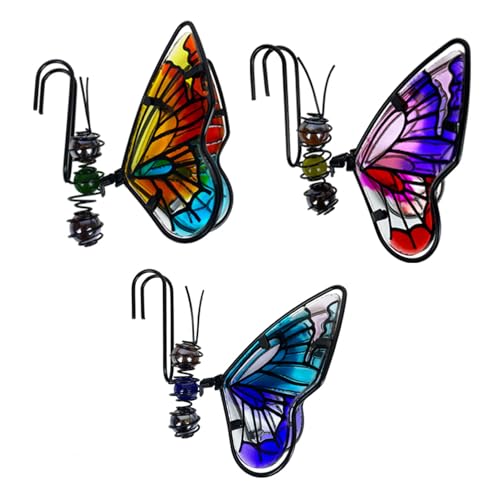
EMINGSKY 3Pcs Butterfly Decorations for Flower Pots - Iron and Glass Painted Hanging Butterflys Ornaments, Plant Pot Potted Hanger Figurines, Outdoor Garden Pendant Decor (Butterfly)
Check price on Amazon
AuroAura Butterfly Stained Glass Plant Pot Sun Catcher Decorations, Monarch Suncatcher Planters Indoor Decor, Flower Pot Stakes Ornament Potted Accessories, Gift for Mom Grandma Women (Gifts-Box)
Check price on Amazon
Hummingbird Flower Seeds for Planting - Survival Garden Seeds (1 Pack) | Heirloom Pollinator Garden Mix to Attract Hummingbirds, Butterflies, & Beneficial Insects
Check price on Amazon
2 Pcs Bird Feeder Hanger Hooks, 12 Inch Attractive Metal Hummingbird Feeder Hook, Bird Feeders Hook With Butterfly & Birds Design, Heavy Duty S Hooks for Hanging Plants, Wind Chimes, Ornaments (Black)
Check price on Amazon