Why Grass and Weeds Invade Flower Beds
Flower beds are prime real estate for unwanted grass and weeds. Bare soil, regular watering, and the nutrients you add for your flowers create ideal conditions for weed seeds to germinate and grass runners to creep in from the lawn. Understanding why the invasion happens is the first step toward stopping it.
Common culprits include wind-borne seeds, birds dropping seeds, grass rhizomes spreading underground from nearby lawns, and soil disturbance that brings dormant weed seeds to the surface. If your lawn is already struggling with invasive species like thistles, you may want to read our guide on the best way to get rid of thistles in lawn to stop the spread at its source.
Once you understand the pressure points, you can choose a removal strategy that matches your garden's needs, your available time, and your tolerance for chemical or organic solutions.
Method 1: Hand-Pulling and Cultivation
For small beds or light infestations, hand-pulling remains the most plant-safe and budget-friendly approach. It works best when the soil is moist—right after rain or a deep watering—so roots slide out cleanly. A quality gardening tools set with a narrow trowel or weeding fork makes the job much easier on your hands and back.
Hand-Pulling & Cultivation
Best for: Small beds, light weed pressure, organic gardeners.
- Pros: Zero chemical risk, immediate results, no damage to established flowers if done carefully.
- Cons: Labor-intensive, roots may break and regrow, not practical for large beds or deep-rooted grasses.
- Tips: Pull after rain, remove the entire root system, and dispose of weeds in a sealed bag—not your compost bin—if they have seed heads.
Pair hand-pulling with regular cultivation using a hoe or hand cultivator to disturb young weed seedlings before they establish. A garden kneeler can make extended weeding sessions far more comfortable.
Method 2: Smothering with Mulch and Barriers
Smothering is one of the most effective long-term strategies for killing grass and weeds in flower beds without chemicals. The principle is simple: block sunlight, and plants cannot photosynthesize or survive. This method works exceptionally well when you are renovating a bed or planting new flowers.
Newspaper, Cardboard & Deep Mulch
Best for: Bed renovation, organic gardens, long-term suppression.
- Pros: Chemical-free, improves soil as materials decompose, highly effective against grass runners.
- Cons: Takes weeks to fully kill established grass, requires a thick layer of mulch, not ideal around delicate shallow-rooted flowers.
- How-to: Lay 6–10 sheets of newspaper or a single layer of corrugated cardboard over the weed-infested area, overlapping edges by at least 6 inches. Wet thoroughly, then cover with 3–4 inches of compost or bark mulch. Cut holes for existing plants you want to keep.
Physical edging—steel, aluminum, or heavy plastic buried 4–6 inches deep—prevents grass rhizomes from creeping back in. Combine edging with mulch for a belt-and-suspenders approach. If you are designing a new bed, consider DIY garden beds with built-in weed barriers for maximum protection.
Method 3: Organic and Natural Sprays
Organic sprays are a middle-ground option: stronger than hand-pulling for spot treatments, but still relatively safe for surrounding plants when applied carefully. These are contact killers—they destroy the top growth but may not kill deep roots, so repeat applications are often necessary.
Horticultural Vinegar & Soap Solutions
Best for: Spot treatments, small weeds, between established plants.
- Horticultural vinegar (20% acetic acid): Burn-down action on contact. Apply on a sunny day with a brush or dropper to avoid drift onto flowers.
- Soap-based herbicides: Potassium salts of fatty acids break down cell walls of soft-bodied weeds. Effective on young seedlings.
- Boiling water: Surprisingly effective for weeds growing in cracks or between pavers near flower beds.
For more household solutions, see our collection of home remedies to get rid of weeds in the yard.
⚠️ Caution: Even organic sprays are non-selective—they will damage your flowers if they contact leaves or stems. Always test on a small area first and shield desirable plants with cardboard during application.
Method 4: Selective Herbicides
Selective herbicides are designed to kill specific types of plants—typically broadleaf weeds—while leaving grasses or other plants unharmed. In flower beds, the most useful selective products target grassy weeds without harming broadleaf flowers, or vice versa, depending on your situation.
Grass-Specific Herbicides (e.g., Fluazifop, Sethoxydim)
Best for: Killing grass in beds of broadleaf flowers, shrubs, and perennials.
- Pros: Kills grass without harming most flowering plants, systemic action reaches roots.
- Cons: Will damage ornamental grasses and corn-like plants, requires careful timing, some products are restricted in certain regions.
- Application: Spray when grass is actively growing and rain is not forecast for 24 hours. Avoid drift onto desired plants.
If you need a product that kills grass but leaves your flowers and shrubs intact, look for options labeled as a grass and weed killer that won't kill plants. Always read the label carefully—"selective" does not mean "harmless to everything."
For lawn weeds that spread into beds, pre-emergent herbicides applied in early spring can stop seeds from germinating. Our crabgrass control and dandelion control guides cover timing and application in detail.
Method 5: Non-Selective Herbicides (Last Resort)
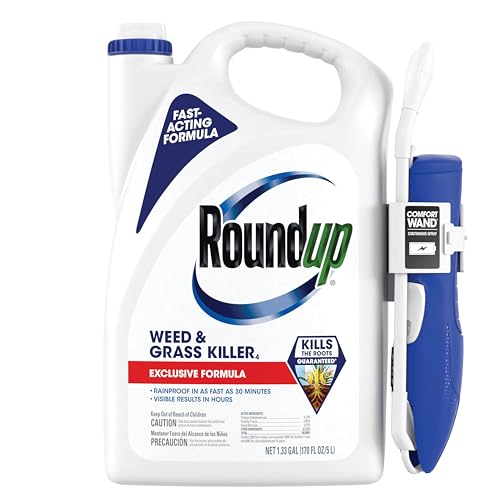
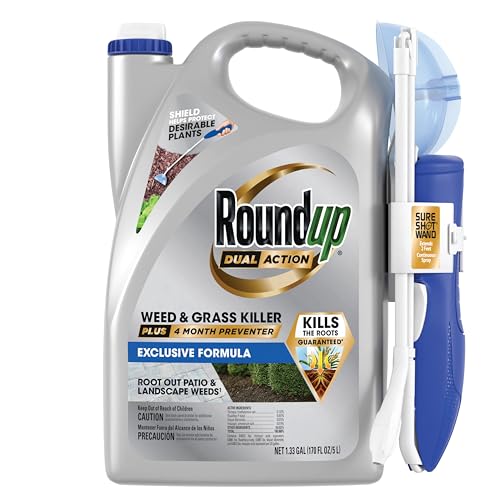
Non-selective herbicides such as glyphosate kill almost all plants they contact. They are the nuclear option—useful for complete bed resets, killing grass before installing new beds, or eliminating deeply rooted perennial weeds that resist other methods. Use them only when you are prepared to sacrifice everything in the treatment area.
Glyphosate & Similar Products
Best for: Full bed renovation, killing grass before new planting, stubborn perennial weeds.
- Pros: Extremely effective, systemic action kills roots, results last if followed by prevention.
- Cons: Kills desirable plants too, requires careful handling, some gardeners prefer to avoid it entirely.
- Application: Spray on a calm, dry day. Wait 10–14 days for full die-off before removing dead material and replanting. Protect nearby desirable plants with plastic sheeting.
If you are dealing with a gravel driveway or other hardscape adjacent to beds, our guide on the best way to kill weeds in a gravel driveway offers additional targeted strategies.
Preventing Future Grass and Weed Growth
Killing existing weeds is only half the battle. Without prevention, new weeds will sprout within weeks. Build these habits into your garden routine:
- Maintain 2–3 inches of organic mulch: Bark, straw, or compost blocks light and makes weed removal easier. Refresh annually.
- Install physical edging: A 4–6 inch deep barrier stops grass rhizomes from entering beds.
- Apply pre-emergent in early spring: Products containing corn gluten meal (organic) or synthetic pre-emergents stop weed seeds from germinating. Follow label directions for timing in your climate.
- Water efficiently: Use drip irrigation to deliver water directly to flowers, leaving bare soil between plants dry and less hospitable to weeds.
- Plant densely: Groundcovers and closely spaced perennials shade the soil and outcompete weeds naturally. Consider hostas or other shade-tolerant spreaders for problem areas.
- Monitor and spot-treat: Pull weeds weekly before they set seed. Ten minutes of maintenance beats hours of remediation.
For larger landscape projects, consider custom concrete curbing to create a permanent, low-maintenance barrier between lawn and beds.
Method Comparison at a Glance
| Method | Speed | Plant Safety | Effort | Best For |
|---|---|---|---|---|
| Hand-pulling | Slow | Excellent | High | Small beds, light weeds |
| Smothering (mulch/barrier) | Slow (2–6 weeks) | Excellent | Medium | Bed renovation, organic gardens |
| Organic sprays | Fast (days) | Moderate | Low | Spot treatments, small weeds |
| Selective herbicide | Medium (1–2 weeks) | Good (if matched correctly) | Low | Grass in broadleaf flower beds |
| Non-selective herbicide | Fast (1–2 weeks) | None (kills everything) | Low | Full bed reset, last resort |
The "best" method depends on your specific bed, the type of weeds, and your comfort level with chemicals. Many gardeners combine methods—for example, hand-pulling large weeds, smothering with mulch, and spot-treating regrowth with organic spray—for the most effective and plant-safe result.
Ready to Reclaim Your Flower Beds?
Equip yourself with the right tools and products to make weed control faster, easier, and more effective. Our recommended gardening tools and supplies are selected to help you win the battle against grass and weeds.
See Recommended Tools ↓