
Best Way to Kill Weeds in a Gravel Driveway
Keep your gravel driveway pristine and weed-free with proven methods, expert tips, and the right tools for long-lasting results.
Weeds in a gravel driveway are more than just an eyesore—they can undermine the structural integrity of the driveway surface, trap moisture, and spread to other parts of your landscape. Whether you're dealing with dandelions, crabgrass, or stubborn thistles, finding the best way to kill weeds in a gravel driveway requires a combination of the right technique, timing, and tools.
This comprehensive guide walks you through every effective method available, from natural remedies to chemical solutions and preventive measures. By the end, you'll have a clear plan to restore your gravel driveway and keep it weed-free for seasons to come.
Why Weeds Thrive in Gravel Driveways
Gravel driveways are surprisingly hospitable environments for weeds. The loose stones create tiny pockets where seeds can settle, and the gravel itself retains warmth, which accelerates germination. Additionally, dust and organic debris accumulate between stones over time, forming a thin layer of "soil" that provides just enough nutrients for weeds to establish themselves.
Common driveway weeds include dandelions, plantains, crabgrass, thistles, and bindweed. Each of these species has adapted to tough conditions, making them difficult to eliminate with a single approach. Understanding their growth habits is the first step toward effective control.
For more targeted solutions, you may also want to explore our guides on dandelion control and crabgrass control, which cover species-specific strategies in greater detail.
Comparison of Weed Control Methods
Before diving into individual methods, here's a quick comparison to help you understand which approach might suit your situation best. The right choice depends on the severity of the infestation, your preference for natural versus chemical solutions, and how much time you're willing to invest in maintenance.
| Method | Effectiveness | Speed of Results | Longevity | Best For |
|---|---|---|---|---|
| Boiling Water | Moderate | Immediate | Short-term | Small patches, eco-friendly approach |
| Vinegar & Salt | Moderate to High | 1–3 days | Short to medium-term | Natural control, light infestations |
| Flame Weeding | High | Immediate | Medium-term | Large areas, chemical-free approach |
| Chemical Herbicides | Very High | 1–7 days | Long-term | Severe infestations, stubborn weeds |
| Pre-Emergent Herbicides | High (preventive) | N/A (preventive) | Season-long | Preventing future growth |
| Physical Removal | High (for visible weeds) | Immediate | Short-term | Small infestations, spot treatment |
Natural and Eco-Friendly Methods
If you prefer to avoid harsh chemicals—especially around pets, children, or vegetable gardens—there are several effective natural methods for killing weeds in a gravel driveway. These approaches work best for light to moderate infestations and require more frequent reapplication.
Boiling Water Treatment
Pouring boiling water directly on weeds is one of the simplest and most affordable methods. The heat destroys plant cells on contact, causing weeds to wilt and die within hours. This works best on young, small weeds and is ideal for spot treatment in cracks and crevices.
Pros: Completely natural, no chemicals, safe for pets and children after cooling.
Cons: Only effective on small areas, requires repeated applications, and may not kill deep-rooted weeds completely.
Vinegar and Salt Solution
A mixture of white vinegar (preferably high-concentration horticultural vinegar) and salt creates a potent natural herbicide. The acetic acid in vinegar burns the foliage, while salt disrupts the weed's ability to absorb water. For best results, apply on a sunny day and avoid watering afterward for at least 48 hours.
Pros: Inexpensive, effective on many common weeds, fast-acting.
Cons: Can affect nearby desirable plants, salt accumulation may harm soil over time, and results are temporary without follow-up.
For broader home remedies, see our guide on home remedies to get rid of weeds in the yard.
Flame Weeding (Thermal Weeding)
Flame weeders use a propane torch to apply intense heat to weeds, causing water inside the plant cells to expand and rupture the cell walls. This method is highly effective for large gravel driveways and eliminates the need for chemicals entirely.
Pros: No chemicals, immediate results, effective on a wide range of weeds, safe for gravel surfaces.
Cons: Requires caution around dry vegetation, initial equipment cost is moderate, and deep-rooted weeds may regrow.
When using a flame weeder, always keep a water source nearby and avoid using the tool on windy days or near flammable materials.
💡 Expert Tip: Natural methods work best when combined. For example, start with boiling water on light infestations, follow up with a vinegar solution on remaining weeds, and use a flame weeder for persistent patches. Consistency is key—repeat treatments every 2–3 weeks during growing season.
Chemical Herbicides: When and How to Use Them
For severe infestations or large gravel driveways, chemical herbicides offer the most reliable and long-lasting results. However, they must be used carefully to avoid environmental harm and damage to desirable plants. Always read the label thoroughly and follow safety instructions.
Non-Selective Herbicides (Glyphosate-Based)
Non-selective herbicides kill all vegetation they contact, making them ideal for gravel driveways where no desirable plants are present. Glyphosate-based products are absorbed through the foliage and travel to the roots, providing complete kill of even deep-rooted perennials.
Best for: Severe infestations, stubborn perennial weeds, and large driveway areas.
Application: Spray on a calm, dry day when weeds are actively growing. Avoid rainfall within 24 hours.
Pre-Emergent Herbicides
Pre-emergent herbicides prevent weed seeds from germinating, creating a chemical barrier on the gravel surface. They are not effective on existing weeds but are excellent for preventing future growth when applied before weed season begins.
Best for: Preventing annual weeds like crabgrass and foxtail, maintaining a weed-free driveway season after season.
Application: Apply in early spring before soil temperatures reach 55°F (13°C) and again in fall for winter annuals.
For a comprehensive approach to managing invasive grasses and weeds in other areas of your landscape, see our guide on best way to kill grass and weeds in flower beds.
⚠️ Safety Reminder: Always wear protective gloves, eye protection, and a mask when applying chemical herbicides. Keep pets and children away from treated areas until the product has dried completely. Never mix or store herbicides in unlabeled containers.
Physical Removal Techniques
Sometimes the simplest approach is the most direct: pulling weeds by hand or using specialized tools. Physical removal is labor-intensive but offers immediate, visible results and is ideal for small infestations or spot treatment.
Hand Pulling
For young weeds or those with shallow roots, hand pulling is quick and effective. Grasp the weed at the base and pull steadily to remove the entire root system. This works best after rain when the soil is soft and roots release more easily.
Weeding Tools
Specialized tools like garden tools designed for weeding—such as the fishtail weeder, hori-hori knife, or root extractor—make the job easier and more precise. These tools allow you to dig out deep-rooted weeds without disturbing too much gravel.
Stiff Broom and Rake
For light surface weeds and moss, a stiff broom or rake can dislodge young plants before they establish deep roots. Regular sweeping also helps prevent seeds from settling in the first place.
Physical removal is best combined with preventive measures—removing weeds without addressing the underlying conditions means they'll likely return.
Long-Term Prevention: Keeping Weeds Away
Killing existing weeds is only half the battle. To maintain a weed-free gravel driveway, you need to address the conditions that allow weeds to grow. Here are the most effective preventive strategies:
- Install a weed barrier: A heavy-duty landscape fabric or geotextile membrane beneath the gravel creates a physical barrier that prevents weed seeds from reaching the soil below. This is one of the most effective long-term solutions.
- Maintain proper gravel depth: Keep gravel at least 3–4 inches deep. Thin gravel allows light to reach the soil and gives weeds an easy path to the surface.
- Apply pre-emergent herbicide: A seasonal application of pre-emergent herbicide creates a chemical barrier that stops seeds from germinating.
- Regular sweeping: Sweep or blow debris off the driveway regularly to prevent organic matter from accumulating and creating a growing medium for weeds.
- Edge maintenance: Keep the edges of your driveway well-defined and free of encroaching vegetation. Consider installing edging to separate the gravel from surrounding soil.
- Address drainage issues: Poor drainage creates damp conditions that favor weed growth. Ensure your driveway slopes properly and consider installing drainage solutions if water pools.
For ideas on how to integrate your gravel driveway into a cohesive landscape design, see our guide on gravel landscaping and driveway landscaping.
Step-by-Step Action Plan
Ready to reclaim your gravel driveway? Follow this practical action plan for the best results:
- Assess the infestation: Identify the types of weeds present and the severity of the problem. This determines which method to use.
- Choose your method: For light infestations, start with natural methods like boiling water or vinegar. For severe cases, use a non-selective herbicide.
- Treat in optimal conditions: Apply treatments on a dry, calm day when weeds are actively growing. Avoid applying before rain.
- Remove dead weeds: Once weeds have died, remove them from the driveway to prevent them from decomposing and adding organic matter.
- Apply pre-emergent: After clearing existing weeds, apply a pre-emergent herbicide to prevent new growth.
- Monitor and maintain: Check your driveway every 2–4 weeks during growing season. Spot-treat any new weeds immediately before they establish.
- Repeat seasonally: Reapply pre-emergent in early spring and fall, and repeat spot treatments as needed.
💡 Pro Tip: The best way to kill weeds in a gravel driveway is a combination approach: use a non-selective herbicide for immediate control, follow up with a pre-emergent for prevention, and maintain the driveway with regular sweeping and spot treatments. This multi-layered strategy delivers the most consistent, long-lasting results.
Recommended Products for Gravel Driveway Weed Control
To make your weed control efforts as effective as possible, here are some highly recommended products that can help you tackle weeds in your gravel driveway. These tools and supplies are selected based on their reliability, ease of use, and suitability for gravel surfaces.
Weed Killer Concentrates
Non-selective herbicide concentrates are the most effective option for severe infestations. Look for products that are rain-resistant within a few hours and designed for use on hardscapes like gravel and patios. Concentrates are more economical than ready-to-use sprays for large areas.
Pre-Emergent Granules
Pre-emergent granules are easy to spread over gravel driveways and create a barrier that stops weed seeds from germinating. They are ideal for seasonal maintenance and work best when applied before weed season begins.
Flame Weeders
Propane-powered flame weeders are a premium but worthwhile investment for homeowners who prefer chemical-free weed control. They are highly effective on gravel surfaces and can treat large areas quickly.
Weeding Tools and Hand Cultivators
A sturdy hand weeder or fishtail weeder is essential for spot treatment. These tools are affordable and make quick work of individual weeds without disturbing the gravel surface.
For more options, explore our gardening tools section, where you'll find detailed reviews and comparisons of weeding tools, sprayers, and other essential equipment for driveway maintenance.
Frequently Asked Questions
What is the fastest way to kill weeds in a gravel driveway?
The fastest method is a non-selective herbicide like glyphosate, which typically kills weeds within 1–7 days. For a chemical-free alternative, flame weeding provides immediate results by destroying plant cells on contact.
Will vinegar kill weeds in a gravel driveway permanently?
Vinegar is effective for killing the above-ground portion of weeds, but it rarely kills deep-rooted perennials completely. You'll likely need repeated applications or a combination with other methods for long-term control.
How do I prevent weeds from coming back in my gravel driveway?
Prevention is key: install a weed barrier beneath the gravel, apply pre-emergent herbicide seasonally, maintain proper gravel depth, and sweep regularly to remove organic debris. A multi-layered approach delivers the best long-term results.
Is it safe to use chemical herbicides on a gravel driveway?
Yes, when used according to the label instructions. Choose a calm day, avoid application before rain, and keep pets and children away until the product has dried. Always wear protective gear.
Can I use salt to kill weeds in a gravel driveway?
Salt is effective at killing weeds, but it can accumulate in the soil and prevent future growth in surrounding areas. Use it sparingly and only in areas where you don't want any vegetation to grow.
How often should I treat my gravel driveway for weeds?
During peak growing season, check your driveway every 2–4 weeks. Apply pre-emergent in early spring and fall, and spot-treat any new weeds immediately. Consistent monitoring is the key to staying weed-free.
Take Control of Your Gravel Driveway Today
Don't let weeds take over your driveway. Use the methods and tools outlined in this guide to restore your gravel surface and keep it looking its best year-round.
View Recommended ProductsRecommended Weed Control Products for Gravel Driveways
⚠️ AFFILIATE DISCLOSURE: This website contains affiliate links. As an Amazon Associate, we earn from qualifying purchases. If you make a purchase through these links, we may receive a small commission at no additional cost to you. Read our full affiliate policy.
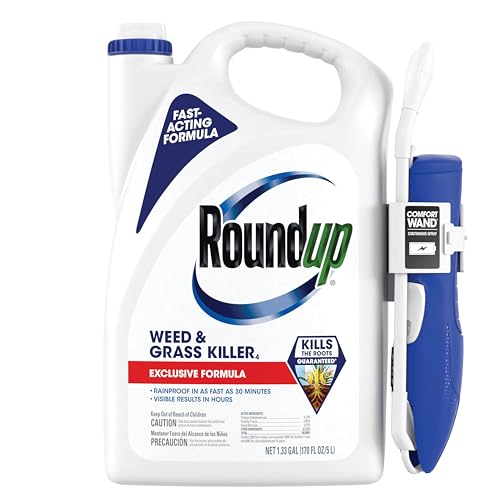
Roundup Weed & Grass Killer4 with Comfort Wand, 1.33 gal. | Weed Killer Spray, Use In and Around Flower Beds, Walkways, Driveways and Along Fences, Visible Results in Hours
Check price on Amazon
Spectracide Weed & Grass Killer for Driveways & Walkways, 1.33 Gal | AccuShot Sprayer Refill, Kills Broadleaf Weeds & Grasses Down To The Root, Use on Driveways & Walkways, Visible in 3 Hours
Check price on Amazon
Ortho GroundClear Super Weed & Grass Killer1 with Comfort Wand, 0.5 gal. | Ready-to-Use Weed Killer Spray, Continuous Spray, Kills the Toughest Weeds and Grasses to the Root
Check price on Amazon
Roundup Weed & Grass Killer4 with Pump 'N Go 2 Sprayer, 1.33 gal. | Weed Killer, Use In and Around Flower Beds and Driveways, Visible Results in Hours, Up to 10 Minutes of Continuous Spray
Check price on Amazon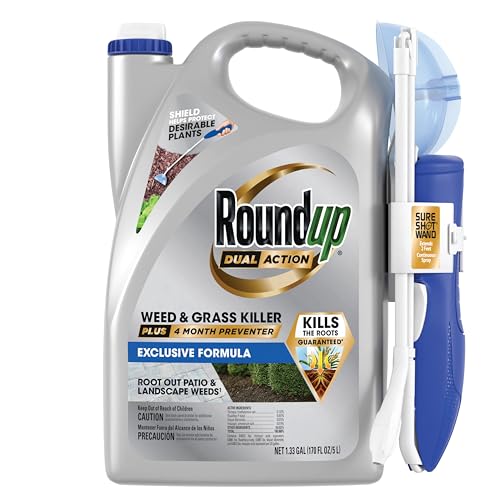
Roundup Dual Action Weed & Grass Killer + 4 Mo. Preventer, Wand, 1.33 gal. | Weed Killer Spray with Sure Shot Wand, Kills Existing Weeds and Grasses Down to the Roots, For Patios, Driveways, Sidewalks
Check price on Amazon
Ortho GroundClear Weed & Grass Killer with Comfort Wand, 1.1 gal. | Kills Dandelions, Chickweed, Crabgrass, Moss & More, OMRI Listed, Ready-to-Use Grass and Weed Killer Spray
Check price on Amazon
Spectracide Weed & Grass Killer Concentrate for Driveways & Walkways, 1 Gal | Kills Broadleaf Weeds & Grasses Down To The Root, Use on Driveways, Walkways, Patios & More, Makes up to 40 Gallons
Check price on Amazon