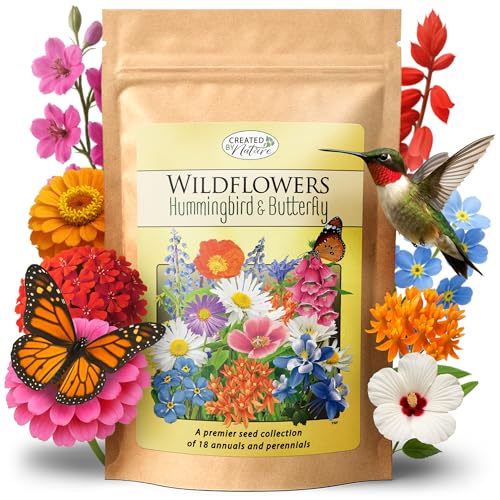
Container Plants That Attract Butterflies and Hummingbirds
Turn your patio, balcony, or porch into a living pollinator paradise. These nectar-rich container plants bring butterflies and hummingbirds right to your door — no sprawling garden required.
Why container plants matter for pollinators: Butterflies and hummingbirds are drawn to abundant nectar and bright, tubular flowers — and they do not care whether those flowers grow in a raised bed or a terracotta pot. A thoughtfully planted container becomes a refueling station that supports local pollinators while delivering season-long color to small spaces. The right plant choices, pot sizing, and bloom timing make all the difference.
Best Container Plants for Butterflies and Hummingbirds
The most successful pollinator containers combine two flower types: flat, daisy-like blooms that give butterflies a landing pad, and long tubular flowers that hummingbirds can probe for nectar. The plants below reliably deliver both, perform well in pots, and reward you with repeat blooms across the season. Many pair beautifully with broader selections found in our butterfly plants guide and the hanging plants that attract hummingbirds and butterflies collection.
Lantana
A mid-tier to premium performer that thrives in heat and full sun. Its clustered, flat flower heads are butterfly magnets, and the trailing varieties spill elegantly over container edges. Drought-tolerant and low-maintenance.
Salvia (Sage)
Tubular blooms in red, purple, and blue are perfectly shaped for hummingbird beaks. Mid-range varieties like 'Black and Blue' and 'Mystic Spires' bloom reliably in containers and return each season in milder zones.
Verbena
Trailing verbena brings a cascade of tiny nectar-rich flowers that both butterflies and hummingbirds visit. An affordable to mid-priced container staple for spillers and hanging baskets.
Pentas
Star-shaped flower clusters in pink, red, and white that butterflies find irresistible. Pentas bloom nonstop in warm weather and stay compact enough for mid-sized containers.
Cuphea
Also called cigar plant or bat-faced cuphea, this high-end hummingbird plant produces small tubular flowers all summer. It tolerates partial shade, making it a flexible choice for covered patios.
Fuchsia
Pendulous, jewel-toned flowers are classic hummingbird food. Fuchsia prefers cooler, partially shaded spots and performs beautifully in hanging containers and shaded porch pots.
For a broader palette of pollinator-friendly options, including trailing and upright forms, explore our dedicated guide on container plants for hummingbirds and butterflies and the hanging flowering plants that attract hummingbirds.
How to Design a Pollinator Container Garden
A pollinator container works best when it mirrors the structure of a miniature garden bed. Use the classic thriller-filler-spiller formula, but bias every layer toward nectar production and visibility from the air.
Design Principles That Work
- Thriller (center): A tall, upright hummingbird magnet such as salvia or cuphea anchors the pot and signals the nectar source from a distance.
- Filler (middle): Compact butterfly favorites like pentas or lantana fill the center and provide landing platforms.
- Spiller (edges): Trailing verbena or lantana varieties cascade over the rim, adding color and extra nectar access points.
- Cluster pots: Group three to five containers of different heights to create a bolder pollinator target and a layered visual effect.
- Choose a large pot: A minimum of 14–18 inches in diameter retains moisture better and supports a fuller plant mix.
- Repeat colors: Red, orange, and pink are the strongest hummingbird signals; purple and yellow appeal strongly to butterflies.
Comparing Leading Container Pollinator Plants
The table below uses universal quality tiers rather than price figures, so the guidance stays useful regardless of market conditions. Entry-level plants are widely available and forgiving; premium selections offer rarer colors, longer bloom windows, or stronger disease resistance.
| Plant | Quality Tier | Primary Visitor | Sun Needs | Container Role |
|---|---|---|---|---|
| Lantana | Mid-range to premium | Butterflies & hummingbirds | Full sun | Filler / spiller |
| Salvia | Mid-range | Hummingbirds | Full sun to part shade | Thriller |
| Verbena | Entry-level to mid-range | Butterflies | Full sun | Spiller |
| Pentas | Mid-range | Butterflies | Full sun to part shade | Filler |
| Cuphea | Premium | Hummingbirds | Part shade to full sun | Thriller |
| Fuchsia | Mid-range to premium | Hummingbirds | Part shade | Spiller / hanging |
| Zinnia | Entry-level | Butterflies | Full sun | Filler |
Once your pollinator containers are established, supplemental features can deepen the habitat. A solar bird bath fountain with battery backup keeps water moving and accessible, while dedicated bird baths offer butterflies a place to puddle and drink. Small garden ornaments and thoughtfully placed garden structures complete the scene without overwhelming small spaces.
Care Tips for Pollinator Containers
Container gardening compresses everything: drainage, moisture, and nutrient levels shift faster than in the ground. These practices keep nectar flowing from spring through the first frost.
- Water consistently. Check moisture daily in summer heat; containers dry out quickly. Deep watering beats frequent light sprinkling.
- Use quality potting mix. A well-draining mix with compost supports strong roots. Avoid heavy garden soil, which compacts in pots.
- Mulch the surface. A thin layer of compost or bark mulch slows evaporation and stabilizes soil temperature.
- Feed lightly and regularly. A balanced, slow-release fertilizer at planting plus occasional liquid feeding keeps blooms coming without pushing excessive foliage.
- Deadhead spent flowers. Removing faded blooms redirects energy into new buds and keeps the nectar supply steady.
- Group pots for microclimate. Clustering containers raises humidity and creates a sheltered zone that pollinators learn to revisit.
- Plan for succession. Pair early bloomers like fuchsia with heat-loving lantana and late-season salvia so something is always flowering.
If you are expanding beyond containers, the same nectar-first philosophy applies to in-ground plantings. Our guides on hanging plants good for hummingbirds and butterflies and deer-resistant shade perennials that bloom all summer help you extend the pollinator corridor across the yard.
Ready to Plant Your Pollinator Container?
Start with three proven performers — a salvia thriller, a pentas filler, and a verbena spiller — then expand as your visitors arrive. The product picks below are curated to match this exact plant list.
Shop Recommended SuppliesTroubleshooting: When Visitors Don't Arrive
If your containers are blooming but the butterflies and hummingbirds stay away, check these common issues before assuming the plants are wrong.
- Pesticide residue: Even trace amounts of insecticide on nursery plants can deter pollinators. Rinse new plants and avoid broad-spectrum sprays.
- Wrong sun exposure: Shade-tolerant plants bloom sparsely in deep shade. Match each plant to its light requirement.
- Too few flowers at once: Pollinators respond to mass. Cluster several pots rather than scattering single containers.
- Feeder competition: If hummingbird feeders are nearby, keep them clean and fresh; dirty feeders can discourage visits.
- Wind exposure: Exposed high-rise balconies can be difficult for butterflies. Add a windbreak plant or a small screen.
Related Reading
Deepen your pollinator container strategy with these closely related guides:
Frequently Asked Questions
What are the best container plants for attracting butterflies and hummingbirds?
Top performers include lantana, salvia, verbena, pentas, cuphea, fuchsia, and zinnia. These plants offer abundant nectar, bright tubular or flat flowers, and thrive in containers on patios, balconies, and porches.
How do I design a pollinator container garden?
Combine nectar-rich flowers with different bloom times and flower shapes. Use a thriller, filler, and spiller approach: place a tall hummingbird magnet like salvia in the center, surround it with mid-height butterfly favorites like pentas, and let trailing verbena spill over the rim.
Do container plants for pollinators need full sun?
Most nectar-rich pollinator plants perform best in full sun, meaning at least six hours of direct light daily. However, some selections like fuchsia and cuphea tolerate partial shade, especially in hot climates.
How often should I water container plants that attract butterflies and hummingbirds?
Containers dry out faster than garden beds. Water deeply when the top inch of soil feels dry, which may mean daily during summer heat. Use larger pots, quality potting mix, and a layer of mulch to retain moisture.
Can I grow pollinator container plants on a balcony or small patio?
Absolutely. Butterflies and hummingbirds will visit balconies and small patios if you provide bright, nectar-rich flowers. Choose compact varieties, cluster several pots together for visual impact, and place them where they receive ample sunlight.