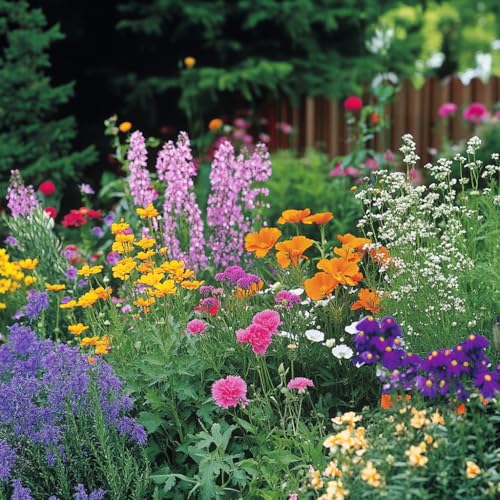
Deer Resistant Shade Perennials That Bloom All Summer
Transform your shady garden beds into a season-long showcase of color with perennials that deer typically leave alone. These reliable bloomers deliver beauty from June through September without constant replanting.
Why this matters: Shade gardens present unique challenges — limited sunlight, competition from tree roots, and often, persistent deer pressure. Finding perennials that tolerate low light, resist deer browsing, and still produce flowers throughout the summer can feel like solving a puzzle. This guide brings together proven performers that check all three boxes, so you can plant with confidence and enjoy continuous color in the toughest garden spots.
Understanding Deer Resistance and Shade Blooming
Deer browsing habits vary by region, season, and local food availability. No plant is truly "deer proof" — but some perennials are far less palatable than others due to strong aromas, fuzzy foliage, tough textures, or mildly toxic compounds. When deer have abundant alternative food sources, they typically bypass these plants. During harsh winters or droughts, however, deer may sample almost anything, so combining resistant plants with physical barriers or repellents offers the best protection.
Blooming all summer in shade is equally nuanced. True continuous bloom is rare among shade perennials; most flower in flushes or rebloom after deadheading. The plants listed below come closest to season-long performance when given consistent moisture, rich soil, and regular maintenance. Pair them with early-season hostas and spring bulbs for a layered, year-round display.
What Makes a Perennial Deer Resistant?
- Fragrant foliage: Strongly scented leaves (like salvia, lavender, or bee balm) confuse and deter deer.
- Fuzzy or leathery texture: Hairy leaves and thick cuticles are unpleasant for deer to chew.
- Toxic or bitter sap: Many deer-resistant plants contain compounds that taste bad or cause mild irritation.
- Spiny or tough stems: Textural barriers make browsing difficult.
Top Deer Resistant Shade Perennials for Summer Color
Astilbe
Feathery plumes in pink, red, white, or purple rise above fern-like foliage from early to late summer. Astilbe thrives in moist, shady spots and is generally ignored by deer thanks to its slightly bitter foliage.
Entry-LevelJapanese Anemone
Elegant, cup-shaped blooms in white or pink open from late summer into fall on tall, airy stems. Deer rarely browse the leathery foliage. Best in partial shade with consistent moisture.
Mid-RangeHardy Geranium
Aromatic foliage and masses of small pink or magenta flowers from late spring through midsummer, with sporadic rebloom. The strong scent makes it a reliable deer deterrent in shade borders.
Entry-LevelHellebore
Though best known for late-winter blooms, many hybrids rebloom sporadically through summer. The leathery, evergreen foliage is unpalatable to deer. A premium choice for woodland shade gardens.
PremiumLungwort
Spring flowers give way to beautifully spotted foliage that persists through summer. While the main bloom is in spring, some varieties produce repeat flowers into early summer. Deer avoid the rough, hairy leaves.
Entry-LevelFringed Bleeding Heart
Unlike the common bleeding heart that goes dormant in summer, this species blooms continuously from spring through fall in cool, shady conditions. The lacy foliage is deer resistant and stays attractive all season.
Mid-RangeToad Lily
Exotic, orchid-like flowers appear in late summer and early fall on arching stems. The plant tolerates deep shade and is largely ignored by deer due to its slightly bitter sap.
PremiumBarrenwort
Delicate, spurred flowers in spring are followed by attractive heart-shaped foliage that remains through summer. Deer rarely touch the tough, leathery leaves. An excellent groundcover for dry shade.
Mid-RangeSeason-by-Season Bloom Schedule
To achieve the illusion of continuous bloom, layer these perennials so that something is always flowering. The table below shows typical bloom periods in a temperate shade garden.
| Plant | Primary Bloom | Rebloom Potential | Deer Resistance |
|---|---|---|---|
| Hardy Geranium | Late Spring–Midsummer | Moderate (after deadheading) | High |
| Astilbe | Early–Late Summer | Low (some late varieties extend season) | High |
| Fringed Bleeding Heart | Spring–Fall (continuous) | High (self-cleaning) | High |
| Japanese Anemone | Late Summer–Fall | Low | Very High |
| Hellebore | Late Winter–Spring | Sporadic summer rebloom | Very High |
| Toad Lily | Late Summer–Early Fall | Low | High |
| Lungwort | Spring–Early Summer | Low | High |
For a more layered shade garden, consider pairing these perennials with hydrangeas for mid-summer impact, or add hostas for reliable foliage contrast. If your garden includes dry shade areas, green velvet boxwood offers evergreen structure that deer typically avoid.
Planting and Care Strategies for Success
Soil and Moisture
Most shade perennials prefer well-drained, humus-rich soil. Amend with compost before planting, and apply a 2–3 inch layer of organic mulch to retain moisture and suppress weeds. Consistent watering — especially during the first two years — is critical for establishment. A drip irrigation system can simplify watering in shade beds where evaporation is slower but competition from tree roots is intense.
Deadheading for Extended Bloom
Remove spent flowers weekly to encourage reblooming. This is especially effective with hardy geraniums, fringed bleeding heart, and astilbe. Simply pinch or snip the flower stalk just above the first set of healthy leaves.
Deer Deterrents and Barriers
Even resistant plants may be sampled when deer are desperate. Combine plant selection with:
- Physical barriers: Netting or low fencing around prized beds, especially in winter.
- Repellent sprays: Rotate products with different active ingredients (capsaicin, putrescent egg solids, or garlic) to prevent habituation.
- Planting in masses: Deer are less likely to push through dense plantings to reach individual plants.
For broader garden protection, learn more about drainage solutions to avoid waterlogged soil that weakens plants and makes them more vulnerable to pest pressure. Also consider composting to build long-term soil health, which helps perennials withstand both environmental stress and occasional browsing.
Designing a Cohesive Shade Border
Combine heights and textures for visual interest. Place taller Japanese anemones and toad lilies toward the back, mid-height astilbe and hellebores in the middle, and low-growing barrenwort or hardy geranium at the front. Add garden ornaments or a bird bath as a focal point to draw the eye and invite wildlife that complements the garden's ecosystem.
If your shade garden includes a structure such as a gazebo or garden shed, use these perennials to soften the edges and create a seamless transition between built elements and planted areas.
Ready to Plant Your Shade Garden?
Browse our recommended gardening tools and supplies below to get started. From hand trowels to compost bins, the right equipment makes planting and maintaining your deer-resistant shade perennials easier and more enjoyable.
View Recommended ToolsFrequently Asked Questions
What makes a perennial deer resistant?
Deer typically avoid plants with strong fragrances, fuzzy or leathery leaves, spiny textures, or toxic sap. Perennials like hellebores, ferns, and certain salvias have these natural deterrents, making them less appealing to browsing deer.
Can shade perennials really bloom all summer?
Yes, several shade perennials such as astilbe, hardy geraniums, and Japanese anemones can bloom continuously or repeatedly throughout the summer months when given proper moisture and soil conditions. Deadheading spent blooms encourages extended flowering.
How do I protect shade perennials from deer in winter?
In winter when food is scarce, deer may nibble on plants they normally avoid. Use physical barriers like netting or fencing around vulnerable perennials, and apply deer repellent sprays on a regular schedule throughout the dormant season.
Which of these perennials works best in dry shade?
Barrenwort (Epimedium) and hellebore are the most drought-tolerant once established. Hardy geranium also performs well in dry shade if given occasional deep watering during extended dry spells.
Final thoughts: A deer-resistant, summer-blooming shade garden is absolutely achievable with thoughtful plant selection and consistent care. Start with the reliable performers highlighted above, amend your soil generously, and layer in seasonal interest from spring bulbs to fall-blooming anemones. Your shady corner can become the most peaceful — and most colorful — part of your landscape.