Not every room in a home receives generous natural light. North-facing windows, basement apartments, hallway nooks, and offices with covered windows often leave plant lovers wondering whether they can still enjoy large, dramatic greenery. The good news is that many big indoor plants evolved on the forest floor, beneath dense canopies, where sunlight is scarce. These species are naturally adapted to low-light conditions and can grow into impressive statement pieces indoors.
Choosing the right plant is only part of the equation. Understanding how light intensity is measured, how to position your plant, and how to adjust watering for slower growth in shade all matter. This guide walks you through the most reliable large houseplants for low light, explains what "low light" actually means in practical terms, and answers the most common questions beginners ask. If you are also exploring smaller options for darker corners, our collection of houseplants that do not need a lot of light complements this guide well.
What Counts as "Low Light" Indoors?
Low light typically refers to areas that receive bright indirect light for only a few hours a day, or that never receive direct sun but still have ambient brightness. A room with a north-facing window, a spot several feet back from an east-facing window, or a hallway lit mostly by artificial light all qualify. Very low light, such as a windowless bathroom or a basement corner, is more challenging, but some plants still manage.
Most "low light" plants are not true cave dwellers. They still appreciate some ambient daylight, and they grow more slowly in shade. The key is that they tolerate lower light than sun-loving species like succulents or citrus trees. Understanding this distinction helps set realistic expectations: your plant will survive and look good, but it may not produce rapid new growth or flowers.
Quick Tip: Before buying any plant, spend a day observing your chosen spot. If you can comfortably read a book there without turning on a lamp during daylight hours, most low-light plants will be fine.
Top Big Indoor Plants for Low-Light Spaces
The following plants are widely available, reliably tolerant of shade, and capable of growing into substantial specimens. Each entry includes a brief care summary and a quality descriptor to help you compare options in the market.
Snake Plant (Sansevieria)
Architectural, upright leaves that tolerate neglect and low light. One of the toughest large plants available.
Entry-LevelZZ Plant (Zamioculcas zamiifolia)
Glossy, waxy leaves and a tolerance for dry air and dim corners. Grows slowly but steadily.
Entry-LevelMonstera Deliciosa
Large, split leaves and a tropical look. Prefers bright indirect light but adapts to moderate shade.
Mid-RangeRubber Plant (Ficus elastica)
Bold, dark leaves on a tree-like form. Tolerates lower light than most Ficus species.
Mid-RangeDracaena (Dragon Tree)
Tall, sword-like leaves and a sculptural trunk. Several varieties suit shaded indoor spots.
Mid-RangePeace Lily (Spathiphyllum)
Large, glossy leaves and white blooms. Tolerates low light but flowers best with some brightness.
Entry-LevelPhilodendron (Large Varieties)
Climbing or upright forms with big leaves. Many species adapt well to shade.
Mid-RangeCast Iron Plant (Aspidistra elatior)
Extremely tolerant of neglect, low light, and temperature swings. A classic shade plant.
Entry-LevelDetailed Care Notes for Each Plant
Snake Plant
Snake plants are the workhorses of low-light interiors. Their upright, sword-shaped leaves create a strong vertical accent even in a dim corner. They prefer well-draining soil and should be watered only when the soil is completely dry. Overwatering is the main risk, especially in low light where soil dries slowly. For related low-light options, see our guide to houseplants that don't need a lot of light.
ZZ Plant
The ZZ plant stores water in its rhizomes, making it highly drought-tolerant. Its glossy foliage reflects what little light is available, helping the plant look vibrant in shade. It prefers to dry out between waterings and can handle lower humidity than many tropicals. This is one of the best choices for beginners who want a large, low-maintenance plant.
Monstera Deliciosa
Monstera is a tropical climber with dramatic, split leaves. While it prefers bright indirect light, it adapts to moderate shade, though growth will slow and leaves may be smaller. Provide a moss pole or trellis for support. Keep the soil evenly moist but not soggy, and mist occasionally if indoor air is dry. For more shade-friendly tropicals, explore our indoor air-purifying plants that don't need sunlight.
Rubber Plant
Rubber plants develop a tree-like shape with large, leathery leaves. They tolerate lower light than many Ficus varieties but still appreciate some ambient brightness. Wipe the leaves periodically to remove dust, which helps them capture light. Water when the top inch of soil feels dry.
Dracaena
Dracaena species such as Dracaena marginata and Dracaena fragrans are tall, architectural plants that tolerate shade well. They prefer well-draining soil and moderate watering. Avoid overwatering, which can cause root rot. These plants are also known for their air-purifying qualities.
Peace Lily
Peace lilies are among the few low-light plants that produce flowers, though blooming is more reliable with some brightness. Their large, dark green leaves make them a lush addition to shaded rooms. They droop dramatically when thirsty, which is a helpful watering indicator. Keep the soil consistently moist but not waterlogged.
Philodendron
Large philodendron varieties, such as Philodendron selloum or Philodendron erubescens, offer bold foliage and a tropical feel. Many tolerate shade well. Provide support for climbing types and keep the soil slightly moist. These plants appreciate higher humidity, so grouping them with other plants can help.
Cast Iron Plant
As its name suggests, the cast iron plant is nearly indestructible. It tolerates low light, dry air, and irregular watering. Its dark green, upright leaves grow slowly but steadily. This is an excellent choice for very low-light spots where other plants struggle.
Comparing the Top Low-Light Giants
| Plant | Light Tolerance | Watering Needs | Growth Speed | Market Tier |
|---|---|---|---|---|
| Snake Plant | Very low to bright | Low (drought-tolerant) | Slow | Entry-level |
| ZZ Plant | Very low to moderate | Low | Slow | Entry-level |
| Monstera | Moderate to bright indirect | Moderate | Moderate | Mid-range |
| Rubber Plant | Moderate | Moderate | Moderate | Mid-range |
| Dracaena | Low to moderate | Low to moderate | Slow to moderate | Mid-range |
| Peace Lily | Low to moderate | Moderate | Moderate | Entry-level |
| Philodendron | Low to moderate | Moderate | Moderate | Mid-range |
| Cast Iron Plant | Very low to moderate | Low | Slow | Entry-level |
How to Help Big Plants Thrive in Low Light
Even shade-tolerant plants benefit from thoughtful placement and care. Here are practical steps to maximize their health:
- Rotate regularly: Turn your plant a quarter turn every week or two so all sides receive whatever light is available.
- Keep leaves clean: Dust blocks light. Wipe large leaves with a damp cloth monthly.
- Water less: Plants in low light use less water, so adjust your schedule accordingly. Always check soil moisture before watering.
- Use a well-draining mix: Prevent root rot by choosing a potting mix that drains freely.
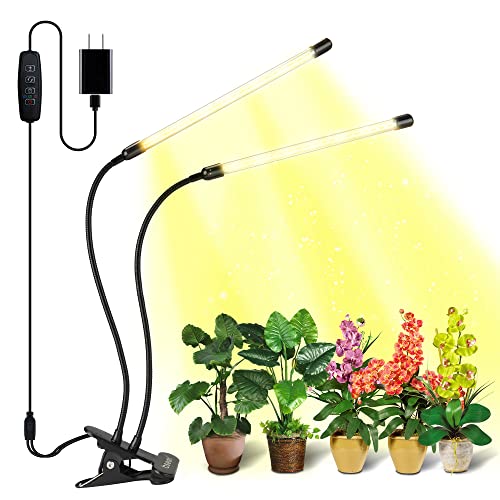
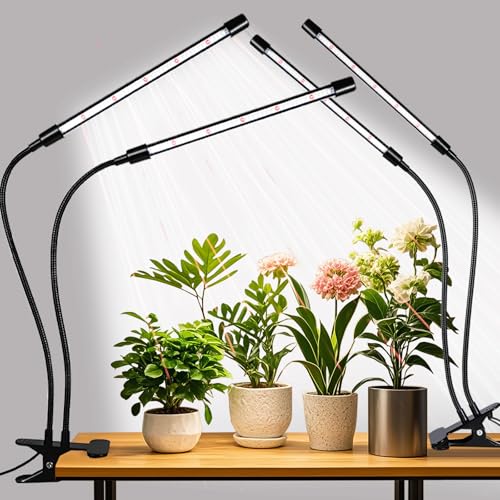
- Consider supplemental light: If growth stalls, a simple LED grow light can make a big difference without requiring a sunny window.
- Avoid cold drafts: Low-light spots near windows can be chilly in winter; protect tropical plants from cold air.
For more detailed guidance on selecting plants for shaded areas, our article on big plants that don't need a lot of light offers additional species and placement tips. If you are also considering hanging plants for lower-light rooms, see our list of hanging plants that don't need a lot of light.
Common Mistakes to Avoid
New plant owners often overwater low-light plants because they assume all plants need frequent watering. In reality, shade slows growth and reduces water uptake. Let the soil dry to the appropriate depth for each species before watering again. Another common mistake is placing a shade-tolerant plant in a spot with zero natural light and expecting vigorous growth. While some plants survive, they rarely thrive without any ambient light. Finally, avoid moving a plant repeatedly; most houseplants prefer a stable location.
Frequently Asked Questions
Can big indoor plants survive in a windowless room?
Some, like the snake plant and cast iron plant, can survive for a while in very low light, but they will grow slowly and may decline over time. For long-term health, provide at least some ambient light or use a grow light.
How often should I water a large plant in low light?
Watering frequency depends on the species, pot size, and room conditions. Always check soil moisture with your finger or a moisture meter. In low light, most large plants need watering less often than the same plant would in bright light.
Do low-light plants need fertilizer?
They grow more slowly, so they need less fertilizer. Feed at half strength during the growing season, and skip feeding in winter or when growth is minimal.
Which big plant is best for a beginner?
The snake plant, ZZ plant, and cast iron plant are among the most forgiving. They tolerate irregular watering and low light, making them ideal for beginners.
Can I move a low-light plant to a brighter spot?
Yes, but do it gradually. Sudden exposure to strong light can scorch leaves that developed in shade. Acclimate the plant over a week or two by moving it closer to the light source in stages.
Whether you are furnishing a shaded apartment, brightening a hallway, or adding greenery to an office, large low-light plants offer a practical and beautiful solution. With the right species and a little attention to watering and placement, you can enjoy lush, living decor even in the dimmest corners of your home.