What Counts as "Low Light" Indoors?
Before choosing a plant, it helps to understand what "low light" actually means. Low light is not the same as no light. A low-light spot typically offers:
- A north-facing window with no direct sun
- A room where lights are on during the day but natural light is indirect and weak
- A spot several feet back from an east or west window
- A bathroom or hallway with a small frosted window
Truly windowless rooms are challenging for any plant long-term. If that's your situation, pair low-light species with a full-spectrum LED grow bulb for a few hours a day, or rotate plants between dim rooms and brighter areas. For more options, see our guide to house plants that don't need a lot of sun and indoor air-purifying plants that don't need sunlight.
The 10 Best Low-Light House Plants
These species are the most reliable performers in dim conditions. Each has been ranked by tolerance, ease of care, and how well it handles real-world neglect.
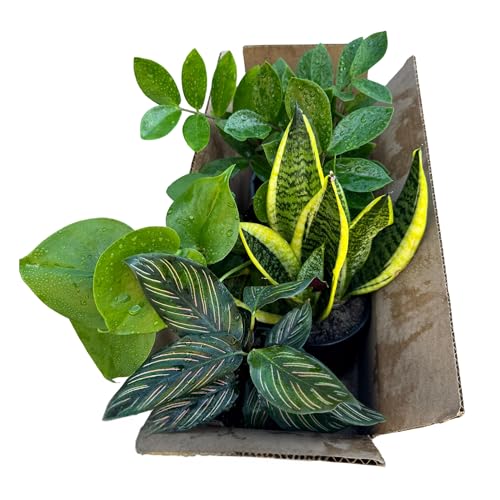
1. Snake Plant Entry-level
- Light
- Low to bright indirect; tolerates dim corners
- Water
- Every 2–4 weeks; let soil dry fully
- Why it wins
- Nearly indestructible, architectural shape, excellent air purifier
- Watch for
- Overwatering — the only way to kill it
2. ZZ Plant Entry-level
- Light
- Low to medium indirect; thrives in shade
- Water
- Every 3–4 weeks; stores water in rhizomes
- Why it wins
- Glossy leaves, drought-tolerant, survives months of neglect
- Watch for
- Yellowing from overwatering; keep away from pets if chewed
3. Pothos Entry-level
- Light
- Low to bright indirect; adapts to almost any room
- Water
- Every 1–2 weeks; allow top inch to dry
- Why it wins
- Trailing vines, fast grower, easy to propagate in water
- Watch for
- Leggy growth in very dim light — pinch back to encourage fullness
4. Peace Lily Mid-tier
- Light
- Low to medium indirect; avoids direct sun
- Water
- Weekly; droops dramatically when thirsty
- Why it wins
- White blooms, clear watering signal, strong air purifier
- Watch for
- Brown leaf tips from dry air or tap water minerals
5. Cast Iron Plant Mid-tier
- Light
- Low to medium indirect; tolerates deep shade
- Water
- Every 2–3 weeks; drought-tolerant
- Why it wins
- Leathery leaves, extremely tolerant of neglect and low humidity
- Watch for
- Spider mites in very dry air — mist occasionally
6. Philodendron Entry-level
- Light
- Low to bright indirect
- Water
- Every 1–2 weeks; allow top inch to dry
- Why it wins
- Heart-shaped leaves, compact or trailing varieties, forgiving
- Watch for
- Overwatering; ensure drainage
7. Dracaena Mid-tier
- Light
- Low to medium indirect
- Water
- Every 2–3 weeks; sensitive to overwatering
- Why it wins
- Upright form, striped or variegated leaves, air purifier
- Watch for
- Brown tips from fluoride in tap water — use filtered water
8. Parlor Palm Entry-level
- Light
- Low to medium indirect
- Water
- Weekly; keep lightly moist but not soggy
- Why it wins
- Feathery fronds, pet-friendly, compact for small rooms
- Watch for
- Spider mites; mist regularly for humidity
9. Spider Plant Entry-level
- Light
- Low to bright indirect
- Water
- Weekly; allow top inch to dry
- Why it wins
- Fast growth, produces pups, safe for pets
- Watch for
- Brown tips from fluoride; use filtered water
10. Chinese Evergreen (Aglaonema) Mid-tier
- Light
- Low to medium indirect
- Water
- Every 1–2 weeks; allow soil to dry slightly
- Why it wins
- Colorful patterned leaves, very tolerant of dim rooms
- Watch for
- Cold drafts; keep away from AC vents
Quick Comparison Table
| Plant | Light Tolerance | Watering | Pet Safe | Care Level |
|---|---|---|---|---|
| Snake Plant | Excellent | 2–4 weeks | No | Entry-level |
| ZZ Plant | Excellent | 3–4 weeks | No | Entry-level |
| Pothos | Excellent | 1–2 weeks | No | Entry-level |
| Peace Lily | Good | Weekly | No | Mid-tier |
| Cast Iron Plant | Excellent | 2–3 weeks | Yes | Mid-tier |
| Philodendron | Good | 1–2 weeks | No | Entry-level |
| Dracaena | Good | 2–3 weeks | No | Mid-tier |
| Parlor Palm | Good | Weekly | Yes | Entry-level |
| Spider Plant | Good | Weekly | Yes | Entry-level |
| Chinese Evergreen | Good | 1–2 weeks | No | Mid-tier |
For larger statement pieces in dim rooms, explore big indoor plants that don't need much light and big plants that don't need a lot of light. If you prefer trailing greenery, see hanging plants that don't need a lot of light.
How to Care for Low-Light House Plants
Water Less Than You Think
In dim conditions, plants photosynthesize slowly and use very little water. The number one killer of low-light house plants is overwatering. Always test the soil with your finger before watering — if the top 2 inches are still damp, wait. Use pots with drainage holes and empty the saucer after watering.
Choose the Right Soil
A loose, well-draining potting mix prevents soggy roots. Add perlite or orchid bark to standard potting soil for plants like snake plants, ZZ plants, and dracaenas. For a deep dive into soil options, see our guide to composting and soil health.
Fertilize Sparingly
Low-light plants grow slowly, so they need far less fertilizer than sun-loving plants. Feed at half strength every 2–3 months during spring and summer. Skip feeding entirely in winter.
Rotate and Dust
Turn pots a quarter turn every few weeks so growth stays even. Dust leaves monthly with a damp cloth — dust blocks the little light your plant does receive.
Signs Your Plant Needs More Light
- New growth is pale, small, or stretched out (leggy)
- Variegated leaves lose their pattern and turn solid green
- Plant leans strongly toward the nearest light source
- Flowering plants stop blooming
- Lower leaves yellow and drop slowly
If you notice these signs, try a brighter spot or supplement with artificial light. Many "low light" plants still perform best with a few hours of indirect brightness daily.
Signs Your Plant Is Getting Too Much Light
- Leaves develop brown, crispy patches
- Colors fade or bleach out
- Leaves curl or turn away from the window
- Soil dries out within a day or two of watering
Most plants on this list prefer indirect light. Move them back from south or west windows, or filter the light with a sheer curtain.
Best Rooms for Low-Light Plants
Low-light plants shine in spaces where other houseplants fail:
- Bathrooms — humidity-loving species like peace lilies and parlor palms thrive here
- Bedrooms — snake plants and ZZ plants release oxygen at night and need little maintenance
- Hallways — pothos and philodendrons tolerate dim corridors
- Basements — cast iron plants and Chinese evergreens handle the lowest light
- Offices — dracaenas and spider plants adapt to fluorescent lighting
Pairing low-light plants with the right containers matters too. Explore faceted modern fiberstone indoor/outdoor planters for a polished look, and browse indoor house plants near me if you prefer to shop locally.
Common Mistakes to Avoid
- Overwatering — the top cause of low-light plant death. When in doubt, wait.
- Using pots without drainage — roots rot in standing water.
- Placing plants in cold drafts — near AC vents or drafty windows.
- Fertilizing in winter — growth is slow; fertilizer salts build up.
- Ignoring pests — spider mites love dry, dim conditions. Wipe leaves and inspect monthly.
Frequently Asked Questions
What is the best house plant that doesn't need a lot of light?
Can low-light house plants survive in a room with no windows?
How often should I water low-light house plants?
Do low-light plants need fertilizer?
Why are my low-light plant leaves turning yellow?
Final Thoughts
You don't need a sun-drenched room to enjoy thriving house plants. With the right species — snake plants, ZZ plants, pothos, and peace lilies among the most reliable — you can fill dim corners with living greenery that asks for very little in return. Focus on watering less, choosing well-draining soil, and watching your plant for signals about light. For more low-light inspiration, explore our guides to houseplants that do not need a lot of light and house plants that don't need a lot of sun.