13 Best Low-Light Indoor Plants That Thrive With Little Sunlight
Transform dark corners into lush green spaces. Discover the most resilient houseplants that flourish with minimal light and require minimal care.
Explore the Plants →Let Gardening Guide: Not every home has sun-drenched windowsills. Whether you live in a north-facing apartment, an office without windows, or simply have rooms that don't get much natural light, you can still enjoy the benefits of indoor plants. This comprehensive guide explores 13 low-light indoor plants that don't just survive—they actually thrive with minimal sunlight. From the classic Snake Plant to the elegant Peace Lily, these plants are perfect for beginners and experienced gardeners alike. Let gardening be your guide to a greener home, even in the shadiest spots.
Why Choose Low-Light Indoor Plants?
Choosing plants that thrive in low light offers several advantages for your home and well-being:
- Air Purification: Many low-light plants are excellent air-purifying plants that don't need sunlight, helping to remove toxins like formaldehyde and benzene from your indoor environment.
- Easy Care: These plants are generally more forgiving if you forget to water them occasionally, making them best house plants that are easy to care for.
- Versatile Placement: You can place them in rooms that don't get direct sunlight, including bathrooms, bedrooms, and offices.
- Mental Well-being: Even a small plant can boost your mood and create a calming atmosphere in any space.
13 Best Low-Light Indoor Plants
1. Snake Plant (Sansevieria)
Dracaena trifasciata
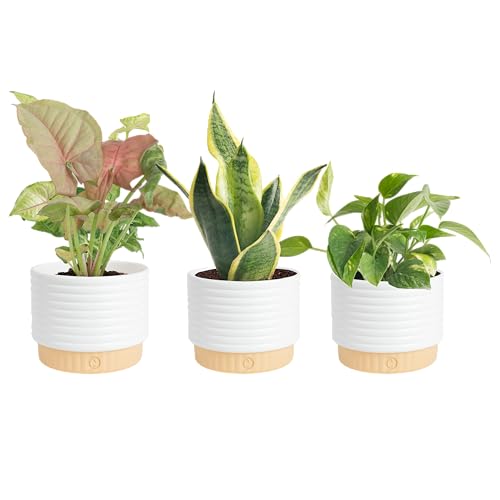
One of the most house plants that don't require a lot of light, the Snake Plant is practically indestructible. Its upright, sword-like leaves add architectural interest to any room.
- Light: Tolerates very low light; thrives in bright, indirect light
- Water: Allow soil to dry completely between waterings
- Benefits: Excellent air purifier, releases oxygen at night
2. ZZ Plant (Zamioculcas zamiifolia)
Zamioculcas zamiifolia
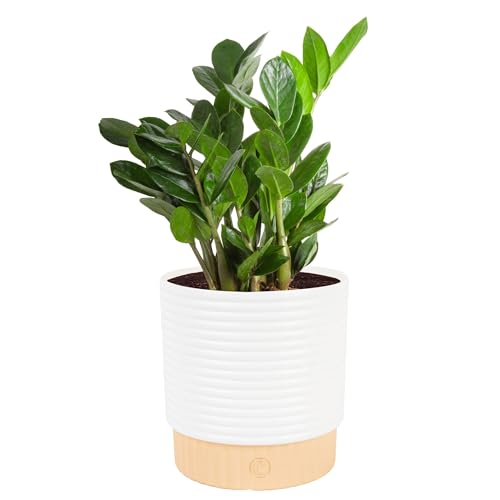
The ZZ Plant is a modern favorite for its glossy, dark green leaves and remarkable tolerance for neglect. It's one of the best plants that can live in an office with no windows.
- Light: Very low to bright indirect light
- Water: Water every 2-3 weeks; allow soil to dry out completely
- Benefits: Drought-tolerant, low-maintenance
3. Peace Lily (Spathiphyllum)
Spathiphyllum spp.
With its elegant white blooms and dark green leaves, the Peace Lily is a classic choice for low-light areas. It's also one of the best indoor plants for clean air safe for cats.
- Light: Prefers low to moderate indirect light
- Water: Keep soil consistently moist but not soggy
- Benefits: Removes mold spores and VOCs from the air
4. Pothos (Epipremnum aureum)
Epipremnum aureum
Also known as Devil's Ivy, Pothos is a trailing vine that's incredibly resilient. It's a fantastic choice for hanging baskets or shelves in low-light indoor plants safe for cats and dogs.
- Light: Low to bright indirect light; avoid direct sun
- Water: Allow top inch of soil to dry out between waterings
- Benefits: Excellent air purifier, easy to propagate
5. Cast Iron Plant (Aspidistra elatior)
Aspidistra elatior
True to its name, the Cast Iron Plant is nearly indestructible. It can survive in almost any condition, making it perfect for gardeners who are just starting out.
- Light: Very low to bright indirect light
- Water: Allow soil to dry out between waterings
- Benefits: Extremely hardy, virtually pest-free
6. Chinese Evergreen (Aglaonema)
Aglaonema spp.
Chinese Evergreens are prized for their beautiful, patterned foliage. They adapt well to houseplants that do not need a lot of light and come in a variety of colors.
- Light: Low to moderate indirect light
- Water: Keep soil slightly moist; reduce watering in winter
- Benefits: Air-purifying, striking foliage
7. Dracaena
Dracaena spp.
With over 40 varieties, Dracaenas are versatile plants that add a tropical feel to any room. They are known for being indoor plants that don't need a lot of light.
- Light: Low to moderate indirect light
- Water: Allow soil to dry slightly between waterings
- Benefits: Tall, elegant growth; removes toxins from the air
8. Philodendron
Philodendron spp.
Philodendrons are popular for their heart-shaped leaves and easy-going nature. They are excellent choices for best house plants that are easy to care for.
- Light: Low to moderate indirect light
- Water: Water when the top inch of soil is dry
- Benefits: Fast-growing, beautiful trailing or upright forms
9. Spider Plant (Chlorophytum comosum)
Chlorophytum comosum
A classic and beloved houseplant, the Spider Plant is known for its arching leaves and baby "spiderettes" that hang from the mother plant.
- Light: Bright, indirect light; tolerates some low light
- Water: Allow soil to dry out between waterings
- Benefits: Excellent air purifier, safe for pets
10. Parlor Palm (Chamaedorea elegans)
Chamaedorea elegans
This slow-growing palm is a fantastic way to add a touch of the tropics to your home. It's one of the few palms that thrive in low light.
- Light: Low to moderate indirect light
- Water: Keep soil evenly moist; avoid overwatering
- Benefits: Non-toxic to pets, adds a lush, green aesthetic
11. Aglaonema (Chinese Evergreen) - A Closer Look
Aglaonema spp.
Because of its spectacular variety, the Chinese Evergreen deserves a second mention. It's a true champion among house plants that don't need a lot of light.
- Light: Tolerates very low light; does best in medium indirect light
- Water: Water moderately; allow soil to dry slightly between waterings
- Benefits: Stunning leaf patterns, low-maintenance
12. Prayer Plant (Maranta leuconeura)
Maranta leuconeura
Famous for its beautiful, patterned leaves that fold up at night, the Prayer Plant is a stunning and unique addition to any low-light collection.
- Light: Low to moderate indirect light
- Water: Keep soil consistently moist
- Benefits: Unique, interactive foliage
13. Lucky Bamboo (Dracaena sanderiana)
Dracaena sanderiana
Often grown in water, Lucky Bamboo is a symbol of good fortune and a popular choice for offices and homes. It's one of the easiest plants that can live in an office with no windows.
- Light: Low to moderate indirect light
- Water: Keep the water level above the roots, change it every week
- Benefits: Extremely low-maintenance, stylish
Best Practices for Low-Light Indoor Plants
While these plants are forgiving, following these gardening tips for beginners will ensure they thrive:
- Water Wisely: Overwatering is more dangerous than underwatering in low-light conditions. The soil takes longer to dry out, so always check the moisture level before watering.
- Dust Leaves: Dust can block the limited light. Gently wipe leaves with a damp cloth every few weeks.
- Rotate Plants: Turn your plants occasionally to ensure even growth.
- Fertilize Sparingly: Plants in low light grow slower. Fertilize only during the growing season (spring and summer) at half-strength.
- Consider Artificial Light: While these plants don't need much sun, a small grow light can provide a significant boost, especially during winter months.
Ready to Start Your Low-Light Garden?
Browse our selection of recommended gardening tools and supplies to help you care for your new plants. From moisture meters to the perfect potting mix, we have everything you need to get started.
Shop Recommended Supplies