
Why Large Houseplants Are Worth the Space
Floor plants and tall indoor trees have a way of making a room feel finished. A single well-placed specimen can replace a cluster of small pots and instantly add depth, height, and a sense of calm. Beyond aesthetics, large houseplants contribute to better indoor air quality by filtering common volatile organic compounds and releasing oxygen. They also increase humidity in dry rooms, which can benefit both you and your other plants.
The common misconception is that big plants demand big effort. In reality, many large species evolved in challenging environments, from shaded forest floors to arid scrublands. That resilience translates beautifully to indoor life. If you are new to plant care, start with our indoor plant care guide to build a solid foundation before bringing home a statement plant.
The Best Large Houseplants for Low-Maintenance Homes
Below are the most reliable large houseplants for beginners and busy households. Each entry includes the light and water profile that makes it forgiving, plus a practical tip to help you avoid the most common mistakes.
Monstera Deliciosa
Arguably the most iconic large houseplant, the Monstera deliciosa grows quickly and tolerates average household conditions. Its dramatic split leaves create an instant tropical feel, and the plant forgives occasional missed waterings.
Water when the top few inches of soil feel dry. It prefers humidity but adapts to normal rooms. Provide a moss pole or trellis as it matures to support the aerial roots.
Best for: Living rooms with a bright window and enough floor space for a 6-foot plant.Snake Plant (Sansevieria)
The snake plant is nearly indestructible. Tall, architectural leaves stand upright and tolerate low light, infrequent watering, and dry indoor air. It is one of the few large houseplants that genuinely thrives on neglect.
Water only when the soil is completely dry, roughly every two to three weeks in summer and less in winter. Avoid overwatering, which is the only real threat to this plant.
Best for: Hallways, bedrooms, and offices with limited natural light.ZZ Plant (Zamioculcas Zamiifolia)
The ZZ plant stores water in its thick rhizomes, making it one of the most drought-tolerant large houseplants available. Glossy, dark green leaflets grow on upright stems and look polished year-round with almost no attention.
Allow the soil to dry completely between waterings. It handles low light gracefully but grows faster in moderate indirect light. Keep away from direct sun, which can scorch the leaves.
Best for: Low-light corners and households that travel often.Rubber Plant (Ficus Elastica)
With its thick, glossy leaves, the rubber plant brings a rich, almost leathery texture to a room. It can grow into a small indoor tree and responds well to pruning if you want to keep it compact.
Water when the top inch of soil dries out. Wipe the leaves occasionally to remove dust and keep them photosynthesizing efficiently. Avoid cold drafts and sudden moves.
Best for: Bright living rooms where a tree-like silhouette is desired.Philodendron
Large philodendron varieties such as Philodendron selloum and the tree philodendron are forgiving, fast-growing, and tolerant of lower light. Their deeply lobed leaves add a sculptural quality to any space.
Water when the top two inches of soil feel dry. They appreciate humidity but adapt to normal indoor air. Provide a sturdy pot, as the plants can become top-heavy as they mature.
Best for: Beginner plant owners who want quick growth and dramatic foliage.Dracaena
Dracaena varieties like the corn plant and dragon tree grow tall, slender trunks topped with strappy leaves. They are tolerant of low light and irregular watering, making them a reliable choice for large indoor spaces.
Water when the top half of the soil dries out. Use filtered or distilled water if your tap water is high in fluoride, which can cause leaf tip browning. Keep away from direct sun.
Best for: Offices and living rooms with medium light and occasional care.Ficus Audrey
Ficus Audrey is a friendlier alternative to the notoriously fussy fiddle-leaf fig. Its velvety green leaves and pale trunk create a clean, modern look, and it adapts well to indoor conditions when given consistent light.
Water when the top inch of soil dries out and avoid moving the plant frequently. Rotate the pot every few weeks so the canopy grows evenly.
Best for: Bright rooms where you want a tree with a softer personality than a fiddle-leaf fig.Bird of Paradise (Strelitzia Nicolai)
The bird of paradise delivers massive, banana-like leaves and a genuinely tropical presence. It needs more light than most plants on this list, but its watering and feeding routine are straightforward.
Water when the top two inches of soil dry out and provide as much bright, indirect light as possible. In lower light it grows more slowly but still remains manageable.
Best for: Sun-drenched living rooms and sunrooms.Quick Comparison at a Glance
Use this table to match a plant to the conditions in your home. Light and water needs are the two variables that most often determine whether a large houseplant thrives or struggles.
| Plant | Light Needs | Watering Frequency | Difficulty |
|---|---|---|---|
| Monstera Deliciosa | Moderate to bright indirect | When top few inches dry | Easy |
| Snake Plant | Low to bright indirect | When soil fully dry | Very easy |
| ZZ Plant | Low to moderate indirect | When soil fully dry | Very easy |
| Rubber Plant | Bright indirect | When top inch dries | Easy |
| Philodendron | Low to bright indirect | When top two inches dry | Easy |
| Dracaena | Low to moderate indirect | When top half dries | Easy |
| Ficus Audrey | Bright indirect | When top inch dries | Easy to moderate |
| Bird of Paradise | Bright light | When top two inches dry | Moderate |
What Makes a Large Houseplant "Easy"?
Easy-care houseplants share a handful of traits. Understanding these traits helps you evaluate any new plant, not just the ones listed above.
Plants that store water in thick leaves, stems, or rhizomes can survive a missed watering or two. Succulent-like foliage and fleshy roots are strong indicators of drought tolerance. If you travel or have a busy schedule, prioritize these species.
Most homes do not offer greenhouse conditions. The easiest large houseplants tolerate a range of light levels, from a few hours of indirect sun to the ambient light of a north-facing room. Plants that demand direct sun or constant bright light are more demanding.
Thick-leaved plants generally resist spider mites and mealybugs better than thin-leaved tropicals. Regular inspection still matters, but resilient species give you more time to react if pests appear.
Slow or moderate growers are easier to manage than aggressive vining plants that need constant pruning. Upright species also take up less floor space and are simpler to position in a room.
Care Basics That Apply to Every Large Houseplant
Your Essential Care Checklist
- Water deeply, then let the soil dry to the recommended depth before watering again.
- Use containers with drainage holes and empty the saucer after watering.
- Provide bright, indirect light unless the plant is specifically low-light tolerant.
- Rotate the pot a quarter turn every two weeks for even growth.
- Wipe large leaves monthly to remove dust and improve photosynthesis.
- Fertilize sparingly during the growing season, and not at all in winter.
- Repot only when roots circle the bottom or emerge from drainage holes.
Watering
Overwatering is the leading cause of houseplant decline. Large pots hold more soil, which means moisture lingers longer near the roots. Always check the soil with your finger or a moisture meter before watering. For plants like the indoor trees that don't need a lot of light, the rule of thumb is to let the top half of the soil dry before watering again.
Light
Light drives growth and helps plants resist pests and disease. If you are working with a dim room, choose species that evolved under a canopy. Our guide to large indoor plants that don't need much light covers the most shade-tolerant options in more detail. For rooms with only a small window, consider a house plant that doesn't need a lot of light to fill the space without risking decline.
Soil and Potting
Use a well-draining potting mix formulated for indoor plants. Adding perlite or orchid bark improves airflow around the roots and reduces the risk of rot. When choosing a container, a large indoor plant pot with drainage holes and saucer protects your floors while giving excess water a clear escape route.
Humidity and Temperature
Most tropical large houseplants appreciate humidity above 40 percent, but they adapt to normal indoor air. Group plants together to create a microclimate, or use a pebble tray. Avoid placing plants near heating vents, radiators, or drafty doors, as sudden temperature swings stress even the toughest species.
Pros and Cons of Large Houseplants
Pros
- Instant visual impact with a single plant
- Fewer pots to manage compared to collections of small plants
- Improves indoor air quality and humidity
- Many species are drought-tolerant and forgiving
- Creates a calm, natural focal point in any room
Cons
- Requires floor space and a sturdy pot
- Heavy to move when repotting or rearranging
- Larger soil volume means slower drying and higher rot risk if overwatered
- Some species are toxic to pets if chewed
- Initial investment is higher than small starter plants
Common Mistakes to Avoid
Even easy-care plants can struggle when a few basic rules are broken. Watch for these pitfalls:
- Watering on a fixed schedule. Instead, check the soil. Seasonal changes, pot size, and light levels all affect how quickly soil dries.
- Using pots without drainage. Decorative containers are fine as cachepots, but the inner pot must have drainage holes.
- Placing plants in dark corners indefinitely. Low-light plants tolerate shade but still need some ambient light to photosynthesize.
- Fertilizing in winter. Most houseplants rest during short days. Feeding during dormancy can burn roots.
- Moving plants frequently. Plants acclimatize to their spot. Constant relocation causes stress and leaf drop.
Frequently Asked Questions
What is the easiest large houseplant to take care of?
Do large houseplants need a lot of light?
How often should I water a large houseplant?
Can large houseplants survive in low-light rooms?
What size pot does a large houseplant need?
Are large houseplants safe for pets?
Choosing the Right Plant for Your Space
Before you bring home a large houseplant, assess your space honestly. A sun-drenched south-facing living room can support a bird of paradise, while a north-facing bedroom is better suited to a snake plant or ZZ plant. Measure the footprint you can spare, including the pot diameter, and account for the plant's eventual height. If you need help placing your plants decoratively, browse our indoor plant care resources for styling and maintenance guidance.
If you are drawn to tree-like forms, explore the wider category of indoor trees for more options beyond the list above. And if low light is your primary constraint, our dedicated guide to large indoor plants that don't need much light expands on the most shade-tolerant species.
Ready to Bring Home a Big Green Statement?
Start with a forgiving species that matches your light and schedule. Browse our recommended products below to find the right plant, pot, and care accessories for your space.
VIEW RECOMMENDED PRODUCTSRecommended Large Houseplants and Care Essentials
⚠️ AFFILIATE DISCLOSURE: This website contains affiliate links. As an Amazon Associate, we earn from qualifying purchases. If you make a purchase through these links, we may receive a small commission at no additional cost to you. Read our full affiliate policy.

Easy to Grow Houseplants (6PK), Live House Plants in Plant Containers, Growers Choice Plant Set in Planters with Potting Soil Mix, Home Decor Planting Kit or Outdoor Garden Gifts by Plants for Pets
Check price on Amazon
Live Plants, Stromanthe Triostar, Pet Friendly, Pet Safe, Air Purifying Plant, 14-16 inch Tall, houseplant, Live Indoor Plant, Easy to Care, Rare Plant, 4 inch Pot by Hopewind
Check price on Amazon
Easy to Grow Houseplants (12 Pack) Live House Plants in Plant Containers, Growers Choice Plant Set in Planters with Potting Soil Mix, Home Décor Planting Kit or Outdoor Garden Gifts by Plants for Pets
Check price on Amazon
Syngonium Plant Collection (4 Pack) Live Starter Plants, Batik, Holly M, Milk Confetti, Neon Robusta, Rare Indoor Houseplants, Easy Care Arrowhead Vine Plants Live
Check price on Amazon
Live Arboricola Umbrella Tree Plant, Schefflera Arboricola, 4" Pot | Thorsen's Greenhouse, Natural Air Purifying, Easy to Grow, Indoor Houseplant (White)
Check price on Amazon
NYGardenia Live Spider Plant in 4 Inch Pot, Variegated Trailing Houseplant, Easy Care Indoor Plant
Check price on Amazon
Hopewind Plants Shop Anthurium (12"-14" Tall) Unique and Gorgeous Live Indoor Plant, Easy Care and Easy to Grow, Bloom Plant, 4 inch Pot (Lily Pink)
Check price on Amazon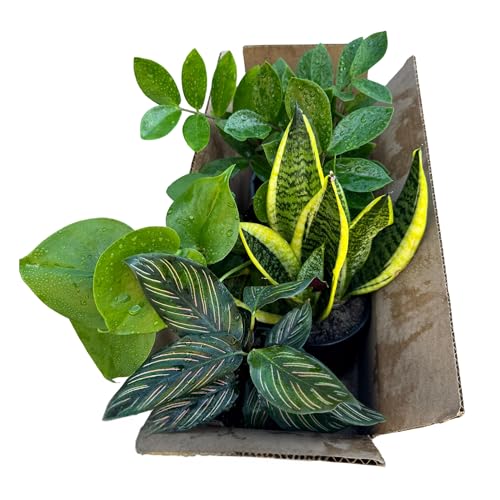
PLANTVERS Set of 4 Assorted Indoor Plants in 4" Grow Pots – Live Houseplants – Easy Care Houseplants - Low Light & Air Purifying Decorative Plants
Check price on AmazonDisclaimer
Let Gardening provides educational content only. Not a substitute for professional horticulturist or landscape architect services. Always consult a qualified professional for major landscaping or agricultural work. Some content may use AI. We are not responsible for plant damage, injuries, or outcomes. By using this site, you accept these terms. If you do not agree, please leave this website and discontinue its use. Read full disclaimer.