Why Choose Large Low-Light Indoor Plants?
Large indoor plants offer more than just aesthetic appeal—they serve as living focal points that soften harsh architectural lines, purify indoor air, and bring a sense of calm to any room. However, not every home offers the bright, indirect light that most tropical giants crave. This is where shade-tolerant species shine.
When you select a indoor plant that does not need a lot of light, you gain several practical advantages:
- Placement flexibility: You can position them in hallways, corners, and rooms far from windows without worrying about leaf drop or stunted growth.
- Lower maintenance: Low-light plants typically grow more slowly, which means less frequent repotting, pruning, and watering.
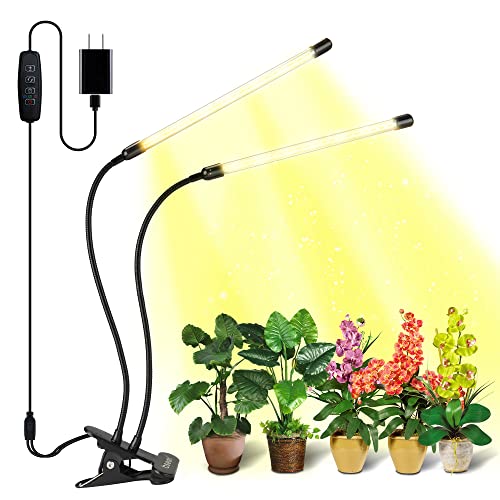
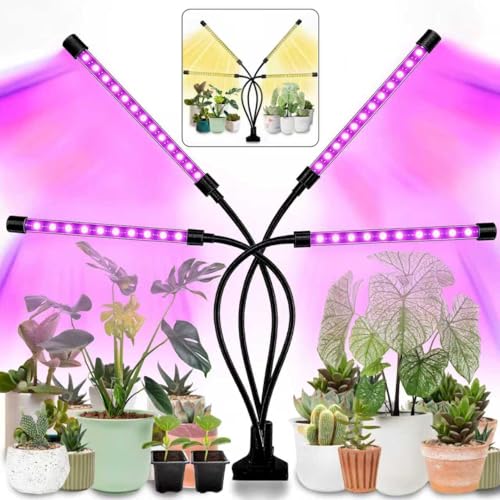
- Energy efficiency: You won't need to supplement with grow lights or leave artificial lights on all day.
- Year-round beauty: These plants maintain their foliage and structure even during darker winter months.
Before diving into our top picks, it's worth understanding what "low light" actually means. In gardening terms, low light refers to areas that receive no direct sunlight and only indirect or ambient light—think of a room with a north-facing window, a hallway with a distant skylight, or a corner that receives reflected light from white walls. If you're unsure about the light levels in your space, our indoor plant care guide offers practical tips for assessing and optimizing your environment.
Top 7 Large Indoor Plants for Low-Light Spaces
We've curated seven exceptional large indoor plants that combine impressive size with remarkable shade tolerance. Each entry includes a quality-tier descriptor, care difficulty, and key characteristics to help you make an informed decision.
ZZ Plant (Zamioculcas zamiifolia)
Entry-Level / Easy CareThe ZZ Plant is perhaps the most forgiving large indoor plant available. Its waxy, dark green leaves emerge from thick rhizomes that store water, allowing it to survive weeks of neglect. It tolerates everything from bright indirect light to deep shade, making it perfect for windowless offices and dim hallways.
Pros
- Extremely drought tolerant
- Thrives in low light
- Pest resistant
Cons
- Slow growth rate
- Toxic to pets
Best placement: A dark corner of a living room or a north-facing hallway. Pair with a large indoor plant pot with drainage holes and saucer to prevent root rot.
Snake Plant (Sansevieria trifasciata)
Entry-Level / ArchitecturalWith its upright, sword-like leaves and striking variegation, the Snake Plant is a living sculpture that thrives on neglect. It's one of the few plants that actually prefers to dry out completely between waterings and performs admirably in low-light conditions. Large specimens can reach four feet tall, making a bold vertical statement.
Pros
- Excellent air purifier
- Very low water needs
- Compact footprint
Cons
- Sharp leaf edges
- Can rot if overwatered
Best placement: A dim bedroom corner or a low-light bathroom. For more options, explore our list of house plants that don't need a lot of sun.
Cast Iron Plant (Aspidistra elatior)
Mid-Range / Tough-as-NailsTrue to its name, the Cast Iron Plant is virtually indestructible. Its broad, dark green leaves emerge from underground rhizomes and tolerate deep shade, dry air, and inconsistent watering. This is the plant you choose when you want a large, leafy presence without any fuss. Mature specimens can reach three feet tall and wide.
Pros
- Survives extreme neglect
- Tolerates deep shade
- Non-toxic to pets
Cons
- Slow grower
- Leaves can accumulate dust
Best placement: A shaded porch or a dim entryway. If you're looking for more low-light giants, see our guide to large houseplants that are easy to take care of.
Dracaena (Dracaena fragrans 'Massangeana')
Mid-Range / Tropical EleganceThe Corn Plant Dracaena features a thick, cane-like stem topped with arching, strap-shaped leaves with yellow-green striping. It's a classic choice for offices and living rooms, tolerating lower light levels than most tropicals. Large specimens can reach five to six feet indoors, creating a tree-like focal point.
Pros
- Tree-like form
- Good air purifier
- Tolerates low light
Cons
- Sensitive to fluoride in water
- Toxic to pets
Best placement: A bright-to-medium indirect light corner. For more indoor tree options, explore our indoor trees collection.
Peace Lily (Spathiphyllum)
Entry-Level / FloweringThe Peace Lily is unique among large low-light plants in that it produces elegant white spathes (flowers) even in dim conditions. Its glossy, dark green leaves form a dense clump that can reach three to four feet tall. It's also one of the top air-purifying plants according to NASA's Clean Air Study.
Pros
- Blooms in low light
- Excellent air purifier
- Droops to signal thirst
Cons
- Toxic to pets
- Needs consistent moisture
Best placement: A dim bathroom or a shaded living room corner. For more air-purifying options, see our list of indoor air-purifying plants that don't need sunlight.
Philodendron (Philodendron bipinnatifidum)
Mid-Range / Statement PieceAlso known as the Tree Philodendron, this species develops a thick trunk and massive, deeply lobed leaves that can span two feet across. It tolerates low light remarkably well and can grow into a truly dramatic floor plant. The 'Hope' variety is particularly well-suited to indoor conditions.
Pros
- Huge, dramatic leaves
- Tolerates low light
- Fast grower
Cons
- Needs space to spread
- Toxic to pets
Best placement: A spacious, low-light living room. If you're concerned about pet safety, browse our indoor plants that are safe for cats and dogs.
Rubber Plant (Ficus elastica)
Premium / Classic BeautyThe Rubber Plant is a timeless choice for large indoor spaces, with thick, glossy leaves that emerge reddish-bronze before maturing to deep green. While it prefers bright indirect light, it adapts well to medium and even low-light conditions if watered sparingly. Large specimens can reach six feet or more indoors.
Pros
- Bold, glossy foliage
- Tree-like growth habit
- Adaptable to lower light
Cons
- Drops leaves if moved suddenly
- Toxic to pets
Best placement: A medium-light corner away from drafts. For more indoor tree inspiration, see our guide to indoor trees that don't need a lot of light.
Quick Comparison: Large Low-Light Indoor Plants
| Plant | Light Tolerance | Water Needs | Max Height (Indoors) | Pet Safety | Quality Tier |
|---|---|---|---|---|---|
| ZZ Plant | Low to Bright | Very Low | 3–4 ft | Toxic | Entry-Level |
| Snake Plant | Low to Bright | Very Low | 3–4 ft | Toxic | Entry-Level |
| Cast Iron Plant | Deep Shade | Low | 2–3 ft | Non-Toxic | Mid-Range |
| Dracaena | Low to Medium | Low | 4–6 ft | Toxic | Mid-Range |
| Peace Lily | Low to Medium | Medium | 3–4 ft | Toxic | Entry-Level |
| Philodendron | Low to Medium | Medium | 4–5 ft | Toxic | Mid-Range |
| Rubber Plant | Low to Bright | Medium | 6–8 ft | Toxic | Premium |
Essential Care Tips for Low-Light Large Indoor Plants
Even the most shade-tolerant plants have basic needs. Here's how to keep your large indoor plants healthy and thriving in low-light conditions:
💡 Light Assessment
Before placing your plant, spend a day observing the space. If you can comfortably read a book without artificial light during the day, the area qualifies as low light. If you need a lamp, it's deep shade—only the toughest plants like the Cast Iron Plant and ZZ Plant will survive there.
💧 Watering Wisdom
Low-light plants grow more slowly, which means they use less water. Overwatering is the number one killer of shade-tolerant houseplants. Always check the top two inches of soil with your finger before watering. If it's still moist, wait. For more detailed guidance, consult our houseplants that do not need a lot of light resource.
🪴 Potting and Soil
Use a well-draining potting mix and always choose a container with drainage holes. A large indoor plant pot with drainage holes and saucer protects your floors and prevents waterlogged roots. Terra cotta pots are excellent for low-light plants because they wick away excess moisture.
🧹 Leaf Care
Dust accumulates on large leaves and reduces their ability to photosynthesize. Wipe leaves with a damp cloth every few weeks to keep them clean and glossy. This is especially important for low-light plants that are already operating at reduced photosynthetic capacity.
🌡️ Temperature and Humidity
Most tropical low-light plants prefer temperatures between 60°F and 80°F (15°C–27°C) and moderate humidity. Avoid placing them near drafty windows, heating vents, or air conditioning units, which can cause leaf drop and stress.
Ready to Green Your Darkest Corner?
Browse our curated selection of large indoor plants and essential supplies to find the perfect match for your low-light space. Your journey to a lush, green home starts here.
Shop Low-Light Plant EssentialsFrequently Asked Questions
What is the best large indoor plant for a room with no windows?
The ZZ Plant and Snake Plant are the top choices for windowless rooms. Both tolerate deep shade and require infrequent watering. The Cast Iron Plant is another excellent option for truly dark spaces. If you want a flowering plant, the Peace Lily can survive in very low light, though it may not bloom.
Can a large indoor plant survive with only artificial light?
Yes, many low-light plants can survive under standard office fluorescent lighting. However, they won't thrive or grow vigorously. If you want your plant to grow rather than just survive, consider supplementing with a full-spectrum LED grow light for 6–8 hours per day.
How often should I water a large indoor plant in low light?
In low-light conditions, most large indoor plants need water every two to four weeks, depending on the species, pot size, and indoor humidity. Always check soil moisture before watering. When in doubt, wait—it's easier to revive an underwatered plant than a waterlogged one.
Are large low-light plants safe for pets?
Most large low-light plants are toxic to cats and dogs if ingested. The Cast Iron Plant is a notable exception and is considered non-toxic. If you have pets, explore our list of indoor plants that are safe for cats and dogs for more pet-friendly options.
Why are the leaves on my low-light plant turning yellow?
Yellowing leaves are often a sign of overwatering, especially in low-light conditions where soil dries out slowly. Other causes include poor drainage, cold drafts, or nutrient deficiency. Check the soil moisture first and adjust your watering schedule accordingly.
Can I move a low-light plant to a brighter spot?
Yes, but do it gradually. Sudden exposure to bright, direct sunlight can scorch leaves that have adapted to shade. Move the plant to a slightly brighter location over the course of two to three weeks, allowing it to acclimate.
For more comprehensive guidance on indoor gardening, explore our full collection of indoor plant care resources and discover the perfect green companions for every room in your home.