Houseplants That Do Not Need a Lot of Light
Struggling with a dim apartment, a north-facing window, or a home office with no direct sun? You are not alone. Millions of plant lovers live in spaces where bright, direct sunlight is a luxury rather than a given. The good news is that a wide selection of beautiful houseplants that do not need a lot of light can still thrive in your home. This comprehensive guide covers the best low-light houseplants, how to care for them, and the essential equipment that makes shade gardening indoors easier than ever.
Why Low-Light Houseplants Are Perfect for Real Homes
Most homes do not offer the kind of brilliant, all-day sunshine that tropical plants receive in nature. Rooms with north-facing windows, hallway nooks, and shaded corners are common in modern apartments and houses. Fortunately, many houseplants that do not need a lot of light have adapted to survive under a forest canopy, meaning they naturally tolerate indirect and filtered light. Understanding this adaptation is the key to choosing the right plant for the right spot. If you have been searching for house plants that don't need a lot of sun, this guide will help you narrow down the most reliable options and set them up for long-term success.
Before you buy any plant, it helps to understand light levels in your home. Bright indirect light near an east or west window suits many plants, while medium and low light areas are best served by shade-tolerant species. If you are looking for something large and dramatic, consider big plants that don't need a lot of light to anchor a dim corner with foliage. If trailing greenery is more your style, explore hanging plants that don't need a lot of light for shelves and ceilings.
Top Houseplants That Do Not Need a Lot of Light
Below is a curated list of low-light champions. Each plant has a slightly different character, watering preference, and tolerance for neglect, but all share one thing: they can survive without direct sun.
1. Snake Plant (Sansevieria)
The snake plant is arguably the most forgiving houseplant that does not need a lot of light. Its upright, sword-like leaves tolerate dim corners, infrequent watering, and even the occasional forgotten care routine. It is a premium, entry-level plant for beginners because it asks for almost nothing and still looks architectural and elegant. Snake plants prefer to dry out between waterings and do best in a well-draining potting mix. They are also a top choice for air quality in bedrooms and living rooms.
2. ZZ Plant (Zamioculcas zamiifolia)
The ZZ plant is a mid-range favorite for low-light homes. Its glossy, oval leaves grow on sturdy stems and can tolerate deep shade better than most houseplants. It stores moisture in its rhizomes, so overwatering is the most common mistake. Let the soil dry almost completely before watering again. The ZZ plant is an excellent choice for offices, hallways, and rooms with no direct sunlight, and it pairs beautifully with other indoor house plants near me if you want to build a coordinated display.
3. Pothos (Epipremnum aureum)
Pothos is a classic trailing plant that does well in low to medium indirect light. Golden pothos, jade pothos, and neon pothos are all widely available at multiple price tiers, from budget-friendly cuttings to premium mature plants. Pothos is fast-growing, easy to propagate, and tolerates occasional dryness. It is ideal for bookshelves, hanging baskets, and desks that receive no direct sun. For more trailing options, see our guide to hanging plants that don't need a lot of light.
4. Peace Lily (Spathiphyllum)
The peace lily is a mid-tier houseplant known for its elegant white blooms and glossy green leaves. It tolerates low light but will bloom more reliably with bright indirect light. Peace lilies droop dramatically when thirsty, which makes them easy to read. They also purify indoor air and work well in bathrooms with ambient light. Keep them away from cold drafts and hot radiators.
5. Cast Iron Plant (Aspidistra elatior)
True to its name, the cast iron plant is nearly indestructible. It thrives in deep shade and tolerates dry air, irregular watering, and low light better than almost any other houseplant. It is a high-end, luxury choice for collectors who want lush, broad foliage in a dark corner. Cast iron plants grow slowly and prefer well-draining soil with moderate watering.
6. Philodendron
Philodendrons include heartleaf, Brasil, and many other varieties that tolerate low to medium indirect light. They are affordable, easy to care for, and grow into handsome trailing or upright plants. Philodendrons prefer slightly moist soil and benefit from occasional misting. They are ideal for homes with filtered light and are a reliable pick for beginners who want a fast-growing, forgiving plant.
7. Parlor Palm (Chamaedorea elegans)
The parlor palm is a compact, elegant palm that tolerates low light and adds a tropical feel to any room. It prefers evenly moist soil and moderate humidity. Parlor palms are a top-tier choice for small spaces, entryways, and offices. They are also non-toxic to pets, making them a safer option for households with cats and dogs.
8. Spider Plant (Chlorophytum comosum)
Spider plants are budget-friendly, fast-growing, and highly adaptable. They tolerate low light, produce baby plantlets that are easy to propagate, and look lovely in hanging baskets. Spider plants prefer bright indirect light but can survive in dimmer conditions with reduced watering. They are a great starter plant for anyone new to house plant that doesn't need a lot of light.
Understanding Low Light in Your Home
Low light does not mean no light. It usually refers to a spot that receives only ambient or indirect daylight, often several feet from a window or through a north-facing opening. Bright indirect light is stronger but still filtered, while medium light sits between the two. Most houseplants that do not need a lot of light prefer medium to low indirect light and will suffer in deep, windowless rooms unless you add a grow light. If you are looking for plants specifically for very dim rooms, our guide to indoor air purifying plants that don't need sunlight is a helpful next read.
To measure light in your home, observe how shadows fall. Sharp shadows suggest bright light, soft shadows indicate medium light, and no visible shadow at all usually means low light. Rotate plants regularly so all sides receive ambient light evenly.
Essential Care Tips for Low-Light Houseplants
Low-light plants grow more slowly than sun-loving plants, which means they use less water. Overwatering is the most common cause of decline. Always check soil moisture with your finger before watering, and reduce watering frequency during winter. Use a well-draining potting mix and containers with drainage holes. Avoid placing plants near heating vents or cold drafts. If your room is very dim, a full-spectrum grow light can make a significant difference without much effort. For more general guidance on indoor gardening, see hydroponics guide and greenhouse gardening if you want to expand your indoor setup.
Fertilize sparingly during the growing season, and repot only when roots outgrow the container. Dust leaves regularly so they can absorb available light efficiently. With a few simple habits, low-light houseplants can thrive for years.
Choosing Low-Light Houseplants by Room
Bedrooms, hallways, and home offices are common low-light zones. A snake plant or ZZ plant works well in a bedroom corner. A peace lily or pothos brightens a dim office desk. Bathrooms with small windows suit parlor palms and philodendrons, provided humidity is moderate. For large statement pieces, explore big indoor plants that don't need much light to fill empty corners with greenery. If you are new to plant care, start with a budget-friendly pothos or spider plant and build confidence before investing in premium varieties.
Common Mistakes to Avoid
Many plant owners assume that low-light plants need almost no care, which leads to neglect or overwatering. Others place plants in truly dark rooms and expect them to thrive. Both extremes cause problems. The ideal approach is to provide consistent, gentle indirect light and water only when the soil is partially dry. Avoid moving plants frequently, as they adapt slowly to new conditions. Also, be cautious with fertilizer, since slow-growing plants need less feeding than fast-growing ones.
Recommended Low-Light Houseplant Supplies and Accessories
⚠️ AFFILIATE DISCLOSURE: This website contains affiliate links. As an Amazon Associate, we earn from qualifying purchases. If you make a purchase through these links, we may receive a small commission at no additional cost to you.
Read our full affiliate policy.
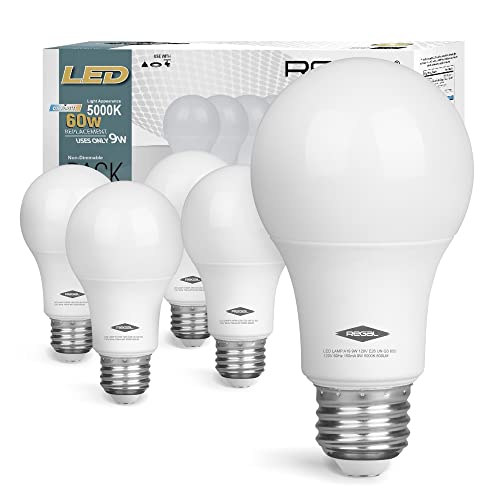
Regal LED A19 Light Bulb 5000K Daylight 800-Lumen, 9-Watt (60-Watt Equivalent), E26 Base, 5000 Kelvin, Day Light, 5-Pack, Non-Dimmable
Check price on Amazon
⚠️ Note: The purchase links above are affiliate links. As an Amazon Associate, we earn from qualifying purchases at no additional cost to you.

The Complete Houseplant Survival Manual: Essential Gardening Know-how for Keeping (Not Killing!) More Than 160 Indoor Plants
Check price on Amazon
⚠️ Note: The purchase links above are affiliate links. As an Amazon Associate, we earn from qualifying purchases at no additional cost to you.
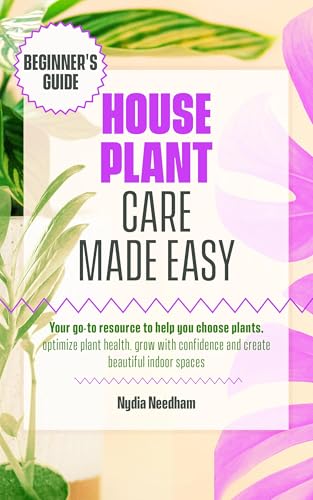
Houseplant Care Made Easy: Your go-to resource to help you choose plants, optimize plant health, grow with confidence and create beautiful indoor spaces
Check price on Amazon
⚠️ Note: The purchase links above are affiliate links. As an Amazon Associate, we earn from qualifying purchases at no additional cost to you.
Frequently Asked Questions
What is considered low light for a houseplant?
Low light typically means a room receiving only indirect or ambient natural light, often through a north-facing window or in areas several feet away from a bright window. Many low-light houseplants can thrive in these conditions with proper watering.
Do low-light houseplants still need sunlight?
Yes. All plants need some light to photosynthesize. Low-light houseplants simply tolerate less intense light and can survive in indirect or filtered light, but they still benefit from gentle ambient daylight.
Can low-light houseplants grow in bathrooms without windows?
Some very tolerant plants can survive short periods in windowless bathrooms but usually decline over time. It is best to provide at least a few hours of indirect natural light or use a full-spectrum grow light to keep them healthy.
How often should I water low-light houseplants?
Watering depends on the plant and the room, but low-light plants generally need less water because they grow more slowly. Check the soil with your finger and water only when the top inch or two is dry.
Final Thoughts
Houseplants that do not need a lot of light make it possible to enjoy greenery in almost any home. From the nearly indestructible snake plant to the elegant peace lily, these low-light champions bring beauty and calm to dim spaces. Pair them with the right supplies, follow simple care habits, and you can create a lush indoor garden even without direct sun. Explore our curated product recommendations above to equip your low-light garden with the tools that make indoor plant care effortless.
For more inspiration on shade-friendly greenery, browse our related guides on houseplants that do not need a lot of light and indoor air purifying plants that don't need sunlight.
Disclaimer
Let Gardening provides educational content only. Not a substitute for professional horticulturist or landscape architect services. Always consult a qualified professional for major landscaping or agricultural work. Some content may use AI. We are not responsible for plant damage, injuries, or outcomes. By using this site, you accept these terms. If you do not agree, please leave this website and discontinue its use. Read full disclaimer.
