Large Indoor Plants That Don't Need Much Light
Transform dim corners, north-facing rooms, and low-light offices into lush green spaces with these shade-tolerant statement plants. Expert guidance on choosing, placing, and caring for big indoor plants that thrive without bright sunlight.
Explore Low-Light PlantsWhy low-light large plants matter: Most homes have at least one room that receives little natural sunlight — a hallway, a basement office, or a north-facing bedroom. Instead of settling for bare corners, you can use large indoor plants that don't need much light to create a vibrant, healthy atmosphere. These plants are also ideal for indoor plant care beginners because they tolerate neglect and inconsistent watering far better than sun-loving tropicals.
Understanding Low-Light Conditions for Large Plants
Before selecting a plant, it helps to understand what "low light" actually means in a home setting. Low light typically refers to areas that receive indirect or filtered natural light for only a few hours per day, or rooms where the only light source is a distant window. Plants in these spaces must be able to photosynthesize with minimal energy — a trait common among understory jungle species that evolved beneath dense canopies.
When shopping for large indoor plants that don't need much light, look for plants with dark green foliage, slow growth habits, and thick leaves. These adaptations allow them to capture and retain light efficiently. Avoid variegated or flowering varieties, which demand more energy and often decline in dim conditions.
Top Large Indoor Plants for Low-Light Spaces
These statement plants are widely available, tolerate shade, and grow tall enough to anchor a room. Each entry includes a quality-tier descriptor to help you compare options without relying on pricing.
Snake Plant (Sansevieria)
Nearly indestructible and perfect for dark corners. Snake plants tolerate weeks of neglect, purify air, and reach impressive heights. Ideal for beginners and busy households. Pairs beautifully with indoor plants that don't need a lot of light.
ZZ Plant (Zamioculcas zamiifolia)
Glossy, waxy leaves and a sculptural form make the ZZ plant a designer favorite. It stores water in its rhizomes, making it drought-tolerant and forgiving in low light. A top pick for offices and shaded living rooms.
Cast Iron Plant (Aspidistra elatior)
True to its name, this plant survives poor light, temperature swings, and irregular watering. Its broad, dark leaves create a tropical feel in dim hallways. One of the most reliable indoor trees that don't need a lot of light.
Dracaena (Dracaena fragrans 'Massangeana')
A tall, cane-style plant that brings vertical interest to low-light rooms. Varieties with solid green leaves perform best in shade. Easy to maintain and excellent for indoor air-purifying plants that don't need sunlight.
Philodendron (Philodendron selloum)
Large, split leaves and a sprawling habit make this a dramatic focal point. Philodendrons thrive in indirect light and tolerate lower light better than most tropicals. A great choice for large houseplants that are easy to take care of.
Monstera Deliciosa
The iconic Swiss cheese plant. While it prefers bright indirect light, it adapts well to moderate low light, producing fewer but larger fenestrated leaves. A statement piece for shaded living rooms.
Ficus Lyrata (Fiddle Leaf Fig)
High-end and high-impact — but choose a spot with consistent, moderate indirect light. Fiddle leaf figs dislike sudden changes, so place them once and leave them alone. Best for spacious large indoor plant pots with drainage holes and saucer.
Parlor Palm (Chamaedorea elegans)
A graceful, shade-loving palm that grows tall over time. Parlor palms are among the best house plants that don't need a lot of sun and add a soft, tropical texture to bedrooms and offices.
Quick Comparison of Low-Light Large Plants
| Plant | Light Tolerance | Watering Frequency | Max Height Indoors | Quality Tier |
|---|---|---|---|---|
| Snake Plant | Very low | Every 2–3 weeks | Up to 4 ft | Entry-Level |
| ZZ Plant | Very low | Every 2–3 weeks | Up to 3 ft | Entry-Level |
| Cast Iron Plant | Very low | Every 1–2 weeks | Up to 3 ft | Mid-Range |
| Dracaena | Low to moderate | Every 1–2 weeks | Up to 6 ft | Mid-Range |
| Philodendron | Low to moderate | Every 1–2 weeks | Up to 4 ft | Mid-Range |
| Monstera | Moderate | Every 1–2 weeks | Up to 8 ft | Premium |
| Fiddle Leaf Fig | Moderate | Every 1–2 weeks | Up to 6 ft | Premium |
| Parlor Palm | Low | Every 1–2 weeks | Up to 4 ft | Mid-Range |
Placement and Care Strategies for Dim Rooms
Even shade-tolerant plants need some light to thrive. Place them near a window that receives indirect light, or rotate them every few weeks so all sides receive equal exposure. Avoid placing large plants directly beside heating vents or air conditioners, which dry out leaves and stress the plant.
Watering is the most common failure point. In low light, plants grow slowly and use less water, so always check the soil before watering. A moisture meter or simple finger test will prevent root rot. Using large indoor plant pots with drainage holes and saucer is essential to let excess water escape.
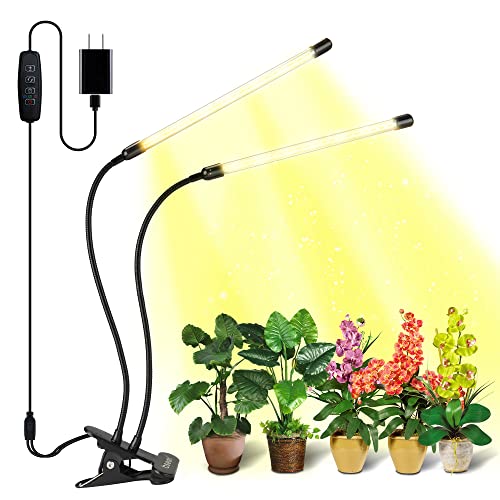
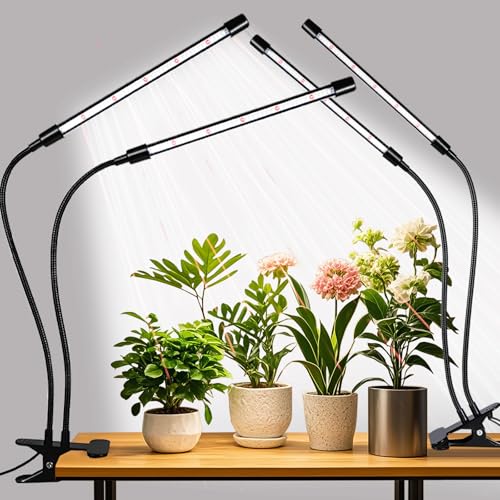
For rooms with almost no natural light, consider supplementing with a full-spectrum LED grow bulb. This small addition dramatically expands the range of houseplants that do not need a lot of light you can successfully grow, including larger species that would otherwise struggle.
Common Mistakes to Avoid with Low-Light Large Plants
Even the toughest house plant that doesn't need a lot of light will decline if given the wrong conditions. Here are the most frequent errors:
- Overwatering: Low light means slow growth, so plants need less water. Always test soil moisture first.
- Assuming "low light" means "no light": All plants need some light. If the room is truly dark, add a grow light.
- Placing too close to cold windows: Draughts and cold glass can damage tropical foliage.
- Using oversized pots: Too much soil holds moisture and causes root rot. Choose a pot only slightly larger than the root ball.
- Fertilizing in winter: Low-light plants grow very slowly in winter and rarely need feeding.
By avoiding these pitfalls, you can keep your large indoor plant that doesn't need much light healthy for years.
Air-Purifying and Pet-Friendly Options
Many low-light large plants also purify indoor air by removing toxins like formaldehyde and benzene. For a healthier home, look for indoor air-purifying plants that don't need sunlight — snake plants, ZZ plants, and Dracaena are all excellent choices.
If you have pets, choose indoor plants that are safe for cats and dogs such as the parlor palm and cast iron plant. Avoid sago palms and certain philodendrons, which can be toxic if chewed.
Where to Find Quality Low-Light Large Plants
When buying a large indoor plant, inspect the leaves for pests and check the roots for rot. Local nurseries and indoor house plants near me search results can help you find healthy specimens. If you prefer shopping online, choose reputable sellers that ship carefully and offer a satisfaction guarantee.
Pair your new plant with the right accessories: a garden hose for larger watering jobs, a garden kneeler for repotting comfort, or a garden ornament to accent your display. For serious indoor gardeners, a greenhouse gardening setup can extend your plant collection year-round.
Frequently Asked Questions
What is the best large indoor plant for a dark room?
The snake plant and cast iron plant are the most reliable choices for very low light. Both tolerate weeks of neglect and rarely suffer from pests.
Can large indoor plants survive in a windowless office?
Most plants need some light, but snake plants, ZZ plants, and pothos can survive in windowless rooms with fluorescent office lighting. For best results, add a small LED grow light.
How often should I water a large plant in low light?
Water only when the top inch of soil feels dry. In low light, this may mean every 2–3 weeks. Always use a pot with drainage holes to prevent rot.
Do large low-light plants need fertilizer?
Feed sparingly — once in spring and once in summer with a diluted balanced fertilizer. Avoid feeding in winter when growth slows.
Which large indoor plants are safe for pets?
Parlor palms, cast iron plants, and certain calatheas are pet-safe. Always verify a plant's toxicity before bringing it home if you have cats or dogs.