Indoor House Plants Near Me: The Complete Local Buying and Care Guide
Searching for indoor house plants near me? This guide walks you through exactly where to find healthy local houseplants, how to inspect them before you buy, and how to keep them thriving once they are home. Whether you are a first-time plant parent or expanding a growing collection, you will learn the practical steps that separate a healthy purchase from a disappointing one.
Start With the Buying ChecklistWhy Buying Indoor House Plants Locally Matters
When people search for indoor house plants near me, the goal is usually simple: they want to see the plant in person before committing. That instinct is correct. Buying locally gives you the chance to inspect foliage, check for pests, and confirm the plant is healthy at the moment of purchase. It also removes the stress of shipping, which can damage delicate leaves and shock roots during transit.
Local nurseries and garden centers often carry plants that are already acclimated to your regional climate and indoor conditions. This matters more than many buyers realize. A plant raised in a nearby greenhouse is less likely to suffer transplant shock than one shipped across the country. Local staff can also give you direct advice about humidity, watering frequency, and seasonal care specific to your area.
Another advantage is timing. Local garden centers rotate stock with the seasons, so you can buy plants at the point in the year when they are actively growing and easiest to establish. If you want to broaden your collection beyond the basics, explore a curated list of big indoor plants that don't need much light or consider a bonsai tree for a more structured, slow-growing centerpiece.
Price is not the only measure of value here. A plant that looks slightly more expensive at a local nursery but is pest-free, well-rooted, and climate-adapted often costs less in the long run than a discounted plant that needs treatment or replacement. That is why the local search is worth the extra effort.
Where to Find Indoor House Plants Near You
There are several reliable types of local sellers, and each serves a different purpose. Knowing which one fits your needs saves time and helps you avoid a wasted trip.
Independent Nurseries and Garden Centers
These are the best starting point for most buyers. Independent nurseries typically carry a broad selection of houseplants, employ knowledgeable staff, and are more likely to answer detailed care questions. Inventory changes weekly, so call ahead or check their social media before driving out. If you are also refreshing outdoor areas, it helps to know whether a supplier carries gardening suppliers near me stock alongside indoor plants.
Specialty Houseplant Boutiques
In many cities, small plant boutiques focus exclusively on indoor varieties. They tend to stock rarer plants, offer curated potting mixes, and provide care cards. They are ideal if you want a specific variety or a plant that arrives already styled for an interior space.
Farmers Markets and Pop-Up Plant Sales
Seasonal markets often feature local growers selling propagated plants. These can be excellent value, but inspect carefully because plants may have been outdoors in fluctuating conditions. Ask the grower how long the plant has been in its current pot.
Hardware Stores and Big-Box Garden Departments
Large retailers carry common houseplants at accessible entry-level tiers. Selection is limited to high-turnover varieties, and staff may not be plant specialists. Inspect carefully, since stock can sit on shelves longer and pest pressure is higher in crowded displays.
Local Plant Swap Groups and Community Forums
Community groups are an underrated source for affordable plants. Swaps let you acquire cuttings and divisions from local growers, which are often already adapted to indoor conditions. If you are looking for specific low-light options, browsing community recommendations can help you shortlist varieties such as those found in this guide to big plants that don't need a lot of light.
How to Inspect a Houseplant Before Buying
This is the most important skill for anyone searching for indoor house plants near me. A plant can look beautiful on top and still be a poor purchase. Use this checklist every time you buy in person.
1. Check the Undersides of Leaves
Pests hide underneath foliage. Look for webbing, sticky residue, tiny white specks, or clusters of insects near leaf joints. Common culprits include spider mites, mealybugs, and aphids. If you see any, put the plant down and move on. Treating an infestation at home is possible but adds weeks of work and risks spreading pests to your existing collection.
2. Inspect the Stem and Crown
Firm, upright stems indicate good health. Mushy, dark, or shriveled stems suggest root rot or disease. For plants with a central crown, like ferns and some tropicals, check that the crown is not sitting in standing water.
3. Lift the Pot and Look at the Roots
Gently tip the plant sideways and slide the root ball partway out. Healthy roots are firm and pale to light brown. Avoid plants with circling roots that are densely packed against the pot wall, since they are likely root-bound. Black, slimy roots indicate rot.
4. Smell the Soil
Healthy soil smells earthy. A sour or sulfurous odor signals anaerobic conditions and likely root rot. Do not buy a plant whose soil smells foul, even if the foliage looks fine.
5. Check for Yellowing and Brown Tips
Some yellowing on old leaves is normal. Widespread yellowing, brown crispy tips, or spotted leaves suggest watering problems or disease. Ask staff how long the plant has been in that pot and how often it is watered.
6. Look at the Potting Mix
Fresh, loose, well-draining mix is a good sign. Compacted, algae-covered, or moldy soil suggests the plant has been overwatered and neglected. If the mix looks like heavy garden soil, it may retain too much moisture for indoor use.
7. Ask About Quarantine and Acclimation
Reputable sellers quarantine new stock before placing it on the floor. Ask how long the plant has been in the store and whether it was recently shipped. Plants that arrived days ago are still recovering and may decline after purchase.
Best Houseplants for Beginners
If you are new to indoor plants, start with forgiving varieties that tolerate inconsistent watering and moderate light. These are widely available at local nurseries and garden centers, so your search for indoor house plants near me will be easy to fill.
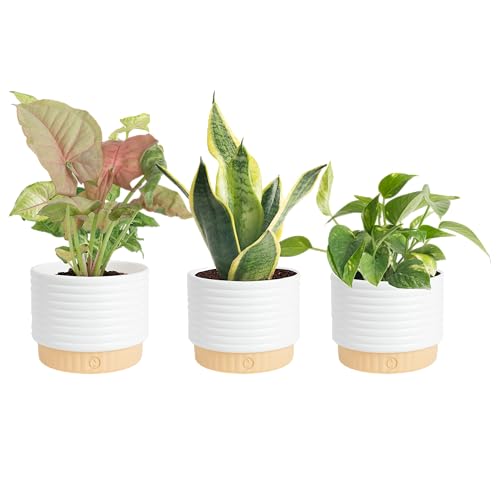
- Snake Plant (Sansevieria): Tolerates low light and infrequent watering. An excellent entry-level choice that rarely fails.
- Pothos: Fast-growing vine that adapts to many light levels. Easy to propagate and forgiving of missed waterings.
- ZZ Plant: Stores water in its rhizomes and handles low light well. A strong mid-tier performer for busy owners.
- Spider Plant: Produces offshoots that are easy to repot and share. Adaptable and hard to kill.
- Philodendron: Similar to pothos in temperament, with a wider range of leaf shapes. Reliable in average indoor conditions.
If your space is dim, prioritize species that tolerate shade. This guide to house plants that don't need a lot of sun covers several dependable options, and you can also review indoor air purifying plants that don't need sunlight if clean air is a priority. For spaces with very little natural light, the list of houseplants that do not need a lot of light is a practical shortlist.
Matching Plants to Your Light Conditions
Light is the single biggest factor in houseplant success. Before buying, observe your intended spot for a full day. Note how many hours of direct sun it receives and whether the light is bright or dim.
Low Light
North-facing windows or rooms with limited windows fall into this category. Choose snake plants, ZZ plants, and shade-tolerant ferns. For more ideas, browse hanging plants that don't need a lot of light and a house plant that doesn't need a lot of light.
Medium Light
East or west windows with a few hours of gentle sun suit pothos, philodendrons, and spider plants. Most common houseplants fall into this range.
Bright Indirect Light
South or west windows with filtered sun support a wider range, including bird of paradise and many flowering indoor plants. A bird of paradise is a striking choice for a bright spot.
If you want a dramatic focal point, consider large specimens. The guide to big indoor plants that don't need much light covers options that fill a corner without demanding full sun.
Care After You Bring the Plant Home
Buying a healthy plant is only half the job. The first two weeks at home determine whether it settles in or declines.
Quarantine New Plants
Keep new plants separate from your existing collection for at least two weeks. Watch for pests or unusual leaf drop before introducing them to the same room.
Adjust Watering to Indoor Conditions
Indoor plants usually need less water than outdoor plants because evaporation is slower. Water when the top inch of soil feels dry, and always empty the saucer to prevent standing water. Overwatering is the most common cause of houseplant death.
Manage Humidity and Temperature
Most tropical houseplants prefer moderate humidity. Group plants together, use a pebble tray, or run a humidifier in dry seasons. Avoid placing plants near heating vents or drafty doors.
Repot Only When Necessary
Do not repot immediately unless the plant is severely root-bound or the mix is poor. Give the plant a few weeks to acclimate. When you do repot, use a well-draining indoor mix and a pot with drainage holes.
Feed Lightly During the Growing Season
Fertilize at half strength during spring and summer, and pause in winter when growth slows. Overfeeding causes salt buildup and burned tips.
If you plan to expand beyond houseplants, related guides such as composting and herb garden design can help you build a broader indoor-outdoor plant routine.
Houseplant Quality Tiers Explained
When shopping locally, you will encounter plants across several quality tiers. Understanding these tiers helps you set expectations and choose the right plant for your budget and experience level. These descriptors are relative to the market and do not refer to specific prices.
| Tier | What to Expect | Best For |
|---|---|---|
| Entry-level | Common varieties, smaller pot sizes, basic plastic pots, minimal acclimation. | First-time buyers testing their skills. |
| Mid-range | Healthier stock, larger root systems, better potting mix, occasional ceramic pot. | Buyers who want reliable performance without premium extras. |
| Premium | Rare or specialty varieties, mature specimens, curated pots, detailed care guidance. | Collectors and design-focused buyers. |
| Luxury | Statement plants, large specimens, designer planters, white-glove delivery or installation. | Interior design projects and high-impact focal points. |
As a general rule, mid-range plants often offer the best balance of health and value for most households. Entry-level plants are fine for learning, while premium and luxury tiers make sense when you want a specific look or a rare cultivar. For a broader look at how local suppliers position their stock, see gardening suppliers near me.
Frequently Asked Questions
Where can I find indoor house plants near me?
Local nurseries, garden centers, specialty houseplant boutiques, farmers markets, and hardware stores with garden departments are the most reliable places to find indoor house plants near you. Calling ahead helps confirm current stock and seasonal availability.
How do I inspect a houseplant before buying it locally?
Check the undersides of leaves for pests, look for yellowing or mushy stems, confirm the soil is not waterlogged, and gently lift the pot to see if roots are circling or rotting. A healthy plant has firm foliage, clean soil, and no foul smell.
Which houseplants are best for beginners?
Snake plants, pothos, ZZ plants, spider plants, and philodendrons are forgiving entry-level houseplants that tolerate inconsistent watering and moderate light. They are widely available at local nurseries and garden centers.
Should I buy indoor plants online or locally?
Buying locally lets you inspect plant health in person and avoids shipping stress, making it the better choice when you want to see the exact plant you are taking home. Online buying suits rare or specific varieties unavailable nearby.
What should I do in the first two weeks after buying a houseplant?
Quarantine the plant away from your existing collection, water only when the top inch of soil is dry, and avoid repotting or fertilizing until it shows new growth. This adjustment period reduces transplant shock and lets you catch pest issues early.