Bird of Paradise: The Ultimate Care Guide
Master the art of growing Strelitzia reginae — from light and watering to propagation and blooms. Let your tropical paradise thrive indoors or outdoors.
The Bird of Paradise (Strelitzia reginae) is one of the most iconic tropical plants, known for its striking orange and blue flowers that resemble a bird in flight. Native to South Africa, this plant brings a touch of the exotic to any garden or indoor space. Whether you're a seasoned plant parent or a beginner, this guide covers everything you need to know about bird of paradise care — from ideal lighting and watering to soil, fertilizing, and propagation.
Did you know? A mature Bird of Paradise can reach up to 5–6 feet indoors, and even taller outdoors. With proper care, it will reward you with stunning blooms that last for weeks. The plant is also known for its air-purifying qualities, making it a great addition to any home. Discover more air-purifying indoor plants.
Essential Bird of Paradise Care
☀️ Light Requirements
Bird of Paradise thrives in bright, indirect light. It can tolerate some direct morning sun, but harsh afternoon rays can scorch the leaves. For indoor plants, place near a south- or west-facing window with sheer curtains. If you notice leggy growth or fewer blooms, it's a sign the plant needs more light.
Pro tip: Rotate your plant every few weeks for even growth.
💧 Watering & Humidity
Water when the top 1–2 inches of soil feel dry. Overwatering can cause root rot, so ensure the pot has drainage holes. In winter, reduce watering. Bird of Paradise loves humidity — mist the leaves regularly or use a humidifier, especially if your home is dry.
🌱 Soil & Fertilizer
Use a well-draining potting mix — a blend of peat moss, perlite, and compost works well. Fertilize monthly during the growing season (spring and summer) with a balanced liquid fertilizer (e.g., 10-10-10). Reduce feeding in fall and winter.
✂️ Pruning & Propagation
Remove dead or yellowing leaves to keep the plant healthy. Bird of Paradise can be propagated by division — carefully separate suckers from the main plant and pot them individually. This is best done in spring.
Common Problems & Solutions
🟡 Yellowing Leaves
Often caused by overwatering or poor drainage. Check the soil moisture and ensure the pot has drainage holes. If the soil is soggy, let it dry out completely before watering again. Yellow leaves can also indicate nutrient deficiency — try a balanced fertilizer.
🌿 Brown Leaf Tips
Brown tips are usually a sign of low humidity or fluoride/chlorine in tap water. Use filtered water or let tap water sit overnight before watering. Increase humidity by misting or placing a water tray nearby.
🐞 Pests (Spider Mites, Scale)
Bird of Paradise can attract spider mites and scale. Wipe leaves with a damp cloth, spray with neem oil, or use insecticidal soap. Isolate the plant to prevent spread.
🌱 No Blooms?
Lack of blooms is often due to insufficient light or the plant being too young. Mature plants (4–5 years old) need bright light to flower. Ensure you're providing at least 6 hours of bright, indirect light daily.
Bird of Paradise: What to Look For & Price Guide
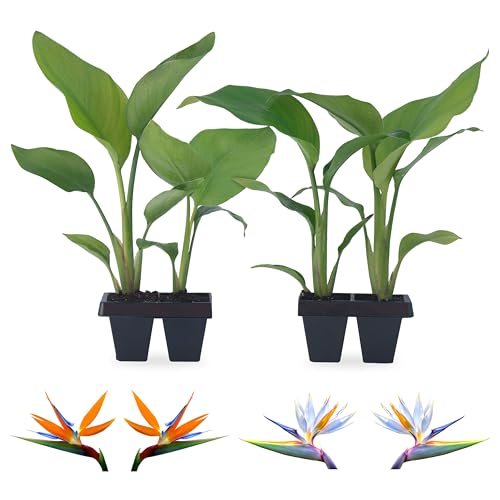
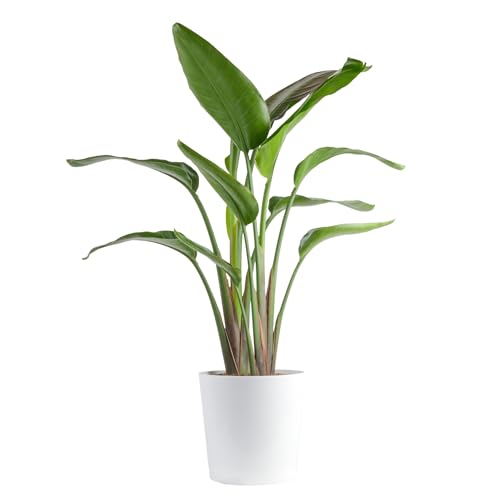
When purchasing a Bird of Paradise, look for plants with dark green, glossy leaves and no signs of pests or yellowing. Healthy plants have strong stems and well-developed root systems (check the drainage holes). Prices vary based on size and maturity:
For the best value, consider buying from a reputable nursery or online retailer. If you're looking for a mature plant that will bloom sooner, invest in a larger size. Remember, with proper care, your Bird of Paradise will thrive for decades and become a stunning centerpiece of your indoor jungle.
Looking for pet-friendly plants? Bird of Paradise is considered toxic to pets, so keep it out of reach of curious cats and dogs.
🌿 Quick Bird of Paradise Care Summary
- Light: Bright indirect light (some morning sun okay)
- Water: Let top 1–2 inches dry between watering
- Soil: Well-draining, peat-based potting mix
- Fertilizer: Monthly during spring/summer
- Humidity: Moderate to high (misting helps)
- Temperature: 65–80°F (18–27°C) — avoid cold drafts