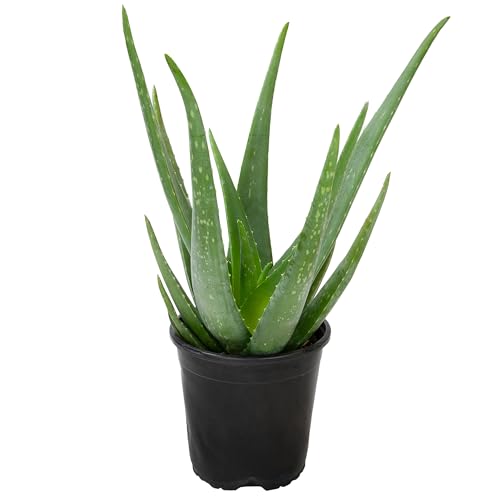
How to Take Care of an Aloe Plant Indoors
Master aloe vera care: sunlight, watering, soil, and propagation tips for a thriving indoor succulent. Let gardening guide you to healthy aloe plants.
Jump to Care GuideLet Gardening Insight: Aloe vera is one of the most rewarding indoor plants—low-maintenance, air-purifying, and useful for home remedies. But to keep it thriving, you need the right balance of light, water, and soil. This guide covers everything you need to know about how to take care of an aloe plant indoors, from potting to propagation.
Aloe Plant Care at a Glance
Light
Bright indirect light is ideal. Avoid harsh direct sun for long periods; a south or west-facing window with sheer curtain works best.
Watering
Let the soil dry completely between waterings. In winter, water every 3-4 weeks; in summer, every 2-3 weeks. Overwatering is the #1 killer.
Soil & Pot
Use a well-draining succulent or cactus mix. A terracotta pot with drainage holes prevents root rot.
Temperature & Humidity
Aloe prefers 60-75°F (15-24°C). Average indoor humidity is fine; avoid cold drafts and sudden temperature changes.
Complete Indoor Aloe Plant Care Guide
1. Choosing the Right Location
Place your aloe in a spot where it receives bright, indirect light. A south or east-facing window is perfect. If you notice the leaves turning brown or red, it may be getting too much direct sun. Conversely, if the leaves become pale and leggy, move it to a brighter area. Aloe also adapts well to grow lights if natural light is insufficient.
2. Watering Schedule and Technique
Water deeply but infrequently. The “soak and dry” method works best: water until it drains from the bottom, then wait until the top 1-2 inches of soil are completely dry before watering again. In winter, reduce watering significantly. Always use room-temperature water and avoid letting the pot sit in standing water.
Pro Tip: If you're unsure, it's better to underwater than overwater. Aloe stores moisture in its leaves and can recover from drought more easily than from root rot.
3. Soil and Potting
Choose a succulent or cactus potting mix that is light and drains well. You can also make your own by mixing regular potting soil with perlite or coarse sand (2:1 ratio). Repot your aloe every 2-3 years or when it becomes root-bound. Spring is the best time to repot, as the plant enters its growing season.
For more details on soil selection, check our soil guide for succulents — the principles are similar for aloe.
4. Fertilizing for Healthy Growth
Aloe doesn't need heavy feeding. Use a balanced, water-soluble fertilizer diluted to half-strength once in spring and again in summer. Do not fertilize in fall and winter, as the plant is dormant.
5. Pruning and Maintenance
Remove dead or damaged leaves at the base using clean, sharp scissors or pruning shears. This encourages healthy new growth and prevents pests. If your aloe produces pups (offsets), you can gently separate them and pot them individually — a great way to expand your collection.
6. Common Problems and Solutions
- Yellow or mushy leaves: Overwatering — let soil dry out, check for root rot, and adjust watering schedule.
- Brown tips: Often due to underwatering or too much direct sun. Increase watering slightly or move to indirect light.
- Leggy growth (stretched leaves): Insufficient light — move to a brighter location.
- Pests (mealybugs, scale): Wipe with a damp cloth or use insecticidal soap.
Frequently Asked Questions
How often should I water my indoor aloe plant?
Typically every 2-3 weeks in summer and 3-4 weeks in winter. Always check that the soil is completely dry before watering.
Can I grow aloe in a low-light room?
Aloe can survive in low light but will not thrive. It prefers bright, indirect light. If you lack natural light, consider a grow light.
How do I propagate aloe vera?
The easiest method is separating pups (offsets) that grow at the base. Wait until they are a few inches tall, then carefully remove and pot them in fresh soil.
Is aloe vera safe for pets?
Aloe vera is toxic to cats and dogs if ingested. Keep it out of reach or choose non-toxic plants for cats if you have curious pets.
What type of pot is best for aloe?
Terracotta or clay pots are ideal because they wick away excess moisture. Ensure the pot has at least one drainage hole.
If you're expanding your indoor garden, you might also enjoy our guide on low-maintenance indoor plants or learn about caring for small aloe plants. For more succulent wisdom, explore our ultimate aloe care tips.