Best Way to Take Care of Aloe Vera Plant
Aloe vera is one of the most rewarding houseplants. With the right care—proper watering, bright indirect light, and well-draining soil—your aloe will thrive for years. This guide covers everything you need to know.
🌱 Key takeaway: Aloe vera needs bright, indirect light and infrequent deep watering. Use a cactus/succulent potting mix and let the soil dry completely between waterings. Repot every 2–3 years.
Complete Aloe Vera Care Guide
Follow these expert tips to keep your aloe vera healthy and beautiful.
☀️ Light
Bright indirect sunlight is ideal. A south- or west-facing window works well. Too much direct sun can scorch leaves, while too little light causes leggy growth.
💧 Water
Water deeply but infrequently. Allow the top 2–3 inches of soil to dry completely before watering. Reduce watering in winter.
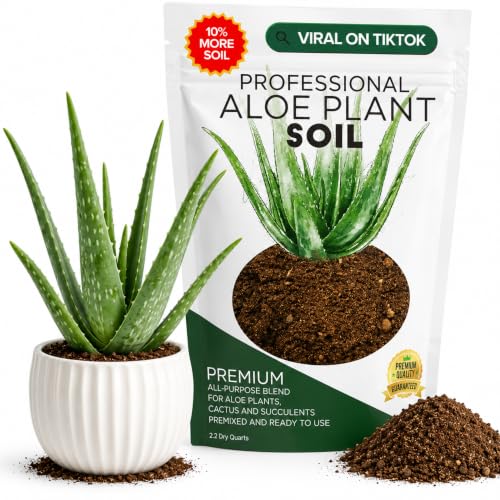
🌱 Soil
Use a well-draining cactus or succulent mix. You can also mix regular potting soil with perlite or coarse sand (2:1 ratio).
🌡️ Temperature
Aloe thrives in 60–75°F (15–24°C). Protect from frost and cold drafts. It prefers dry, warm conditions.
🫗 Fertilizer
Feed with a balanced, water-soluble fertilizer diluted to half strength once in spring and once in summer. No need to fertilize in fall/winter.
🔄 Repotting
Repot every 2–3 years or when roots outgrow the pot. Choose a pot 1–2 inches wider and use fresh succulent soil.
Step-by-Step Aloe Vera Care Routine
- Watering schedule: Check soil moisture with your finger. If dry 2 inches down, water thoroughly until it drains from the bottom. Empty the saucer after 15 minutes.
- Light management: Rotate the pot every few weeks for even growth. If leaves turn brown or yellow, adjust light exposure.
- Cleaning: Wipe dust off leaves with a damp cloth to help photosynthesis.
- Pruning: Remove dead or damaged leaves at the base. Use sharp, clean scissors.
- Seasonal care: Reduce watering in winter and stop fertilizing. Move away from cold windows at night.
Common Aloe Vera Problems & Solutions
- Yellow or mushy leaves: Overwatering. Let soil dry out completely and adjust watering frequency.
- Brown tips or edges: Too much direct sun or fluoride in water. Move to indirect light and use distilled water.
- Leggy growth: Not enough light. Move to a brighter location.
- Root rot: Remove the plant, cut away rotten roots, repot in fresh dry soil.
- Pests (mealybugs, scale): Wipe with rubbing alcohol or use neem oil spray.
If you're looking for more low-maintenance indoor plants, aloe is a great start. For other succulent care, check out our guide on bonsai tree care. And if you're interested in plants for bathrooms with low light, we have you covered. Aloe also pairs well with other best low-maintenance indoor plants for clean air.
Frequently Asked Questions About Aloe Vera Care
How often should I water my aloe vera?
Water every 2–3 weeks in summer, and every 4–6 weeks in winter. Always check that the soil is completely dry before watering.
Can aloe vera grow in low light?
It can survive in low light but will become leggy. For best growth, provide bright indirect light.
Why are my aloe leaves curling?
Curling leaves often indicate underwatering or root issues. Check soil moisture and root health.
What type of pot is best for aloe?
Terracotta pots are ideal because they wick away excess moisture. Ensure the pot has drainage holes.
Ready to grow your aloe vera?
Now that you know the best way to take care of aloe vera plant, you're ready to choose the right tools and supplies. Below you'll find our top recommended products to help your aloe thrive.