Bonsai Tree Care Guide for Beginners
Discover the ancient art of bonsai. Learn how to select, shape, and nurture your own miniature tree. This complete guide covers everything from watering and pruning to repotting and styling—so you can grow a beautiful bonsai with confidence.
Shop Bonsai Tools & SuppliesWhat Is a Bonsai Tree?
Bonsai is the Japanese art of growing miniature trees in containers through careful pruning, wiring, and root restriction. It is not a specific species but a technique that can be applied to many trees and shrubs. The goal is to create a realistic, scaled-down representation of a full-sized tree in nature. While bonsai can be grown indoors or outdoors, choosing the right species for your environment is essential for success.
Let Gardening Insight: Bonsai is a journey of patience and care. The average cost of a beginner bonsai tree ranges from $30–$80, while a more mature specimen can cost $200+. Invest in quality tools and soil from the start to ensure your tree thrives for decades.
Best Bonsai Tree for Beginners
If you're new to bonsai, start with a resilient species that tolerates beginner mistakes. Some of the best options include:
- Ficus (Ficus retusa) – A popular indoor bonsai with forgiving care requirements. It thrives in bright, indirect light and adapts well to pruning.
- Juniper (Juniperus procumbens) – A classic outdoor bonsai that is hardy and forgiving. It prefers full sun and well-draining soil.
- Chinese Elm (Ulmus parvifolia) – One of the easiest bonsai to grow. It can be kept indoors or outdoors and responds well to shaping.
- Japanese Maple (Acer palmatum) – A stunning outdoor bonsai with vibrant seasonal colors. Requires more attention but rewards with exceptional beauty.
For more inspiration, explore our guide on Plants & Flowers to discover other species that can complement your bonsai collection.
Essential Bonsai Care Guide
1. Watering
Proper watering is the most critical aspect of bonsai care. Water when the topsoil feels slightly dry—never let the soil dry out completely, but also avoid waterlogging. Use a moisture meter or check with your finger. The frequency depends on the species, pot size, and climate. In general, outdoor bonsai need more water than indoor varieties.
2. Pruning & Shaping
Pruning maintains the miniature size and shape of your bonsai. Structural pruning removes larger branches to define the tree's form, while maintenance pruning encourages fine branching and leaf reduction. Use sharp, clean bonsai shears to make clean cuts. For shaping, wrap aluminum or copper wire around branches to bend them into position—remove the wire before it cuts into the bark.
3. Repotting
Bonsai trees need repotting every 2–5 years to refresh the soil and manage root growth. The best time is early spring, just before new growth emerges. Choose a slightly larger pot or trim the roots back to fit the current container. Use a well-draining bonsai soil mix that retains some moisture but allows excess water to flow out.
4. Fertilizing
Bonsai trees need regular feeding during the growing season. Use a balanced, slow-release organic fertilizer or a liquid bonsai fertilizer diluted to half strength. Fertilize every two weeks from spring to autumn, and reduce feeding in winter when growth slows.
For more detailed plant care techniques, visit our Gardening Tips & Guides section.
Common Bonsai Mistakes to Avoid
- Overwatering: The most common killer of bonsai. Ensure proper drainage and let the soil dry between waterings.
- Underwatering: In hot weather or small pots, bonsai can dry out quickly. Check moisture daily.
- Insufficient Light: Most bonsai require at least 4–6 hours of direct sunlight. Indoor trees need bright, indirect light.
- Neglecting Pests: Bonsai are susceptible to aphids, spider mites, and scale. Inspect regularly and treat with neem oil or insecticidal soap.
- Using Regular Potting Soil: Bonsai need a free-draining mix. Standard potting soil retains too much moisture and can cause root rot.
Bonsai Styles & Aesthetics
Part of the art of bonsai is choosing a style that reflects nature. Popular styles include:
- Formal Upright (Chokkan): A straight, tapering trunk with balanced branches.
- Informal Upright (Moyogi): A slightly curved trunk that still grows upright.
- Slanting (Shakan): The trunk leans to one side, as if blown by wind.
- Cascade (Kengai): The tree cascades downward, mimicking a tree growing on a cliff.
Choosing the right style enhances your tree's natural beauty. For those who appreciate ornamental plants, consider adding an Bird of Paradise or an Olive Tree to your garden for a complementary aesthetic.
Indoor vs Outdoor Bonsai
Choosing the right environment is crucial. Outdoor bonsai (like juniper, pine, maple) need the natural seasonal cycle—they require cold dormancy in winter. Indoor bonsai (like ficus, schefflera, Chinese elm) can thrive year-round in a warm room with sufficient light.
If you live in a cold climate, place outdoor bonsai in a sheltered spot during winter or insulate the pot. Indoor bonsai should be placed near a south-facing window or supplemented with grow lights.
How to Buy a Bonsai Tree
When purchasing your first bonsai, consider the following:
- Health: Look for vibrant green leaves (or needles), no yellowing, and a firm trunk. Check for pests or dead branches.
- Age: Younger trees are less expensive but require more shaping. Mature trees offer instant appeal but cost more.
- Species: Choose a species that matches your climate and experience level.
- Pot: The pot should complement the tree's style and have proper drainage holes.
You can find quality bonsai at local nurseries, bonsai specialty shops, or online retailers. For those expanding their garden, consider exploring Landscaping Ideas to incorporate your bonsai into a larger design.
Essential Bonsai Tools & Supplies
Investing in the right tools makes bonsai care easier and more effective. Here's what you need to get started:
- Bonsai Shears: For precise pruning of branches and roots.
- Concave Cutters: To remove branches flush with the trunk for clean healing.
- Wire (Aluminum or Copper): For shaping branches. Thickness depends on branch size.
- Root Rake: To untangle roots during repotting.
- Bonsai Soil: A well-draining mix of akadama, pumice, and lava rock.
- Watering Can with Fine Nozzle: To avoid disturbing the soil.
- Bonsai Fertilizer: Balanced liquid or slow-release organic fertilizer.
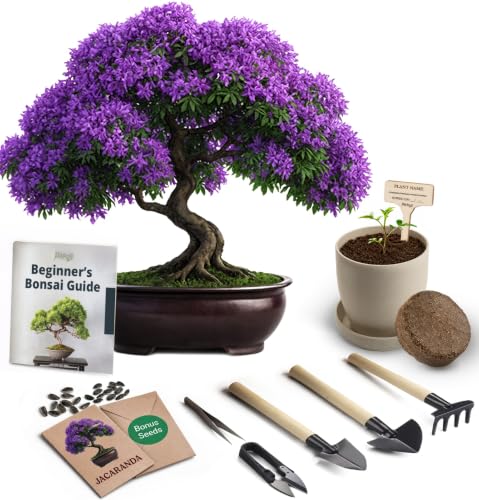
You can find these essentials and more in the recommended products section below.
Advanced Bonsai Techniques
Once you master the basics, you can explore advanced techniques to elevate your bonsai art:
- Grafting: Joining a scion to a rootstock to add branches or roots.
- Jin & Shari: Creating deadwood features to simulate age and weathering.
- Air Layering: Propagating a new tree from a branch while it's still attached to the parent.
- Clump Style (Kabudachi): Growing multiple trunks from a single root system.
These techniques require practice and patience but result in truly unique specimens.
Start Your Bonsai Journey Today
Bonsai is a rewarding hobby that connects you with nature and teaches patience and mindfulness. With the right knowledge, tools, and a bit of care, you can enjoy a living work of art for generations. Let Gardening is here to support you every step of the way.
Explore our Lawn & Garden resources for more outdoor living inspiration, or check out our Garden Tools guides to find the best equipment for your gardening projects.