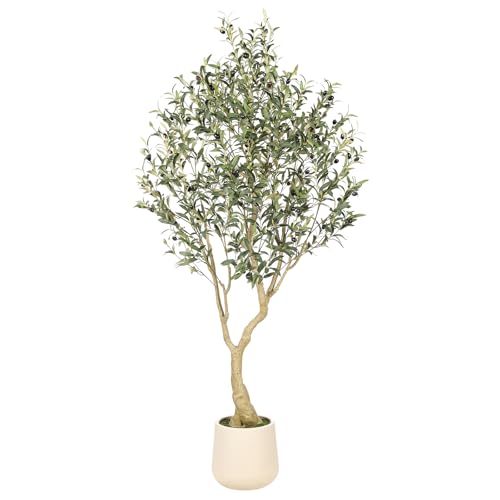
Olive Tree Care Guide: Grow, Nurture & Harvest Your Own Olives
Let gardening bring the Mediterranean to your backyard. Learn how to grow and care for an olive tree, from planting to harvest, and enjoy fresh olives and oil from your own garden.
START GROWING OLIVESLet Gardening Philosophy: Growing an olive tree is a rewarding journey that connects you to ancient traditions and Mediterranean charm. Whether you have a spacious backyard or a sunny patio, this guide will help you cultivate a thriving olive tree that produces delicious fruit for years to come.
Why Grow an Olive Tree?
Olive trees (Olea europaea) are not just beautiful additions to any landscape; they offer a rich history, provide shade, and produce one of the world's healthiest fruits. Here's why you should consider adding an olive tree to your garden:
🌿 Mediterranean Charm
Bring the timeless beauty of the Mediterranean to your garden with an olive tree's distinctive silver-green foliage and gnarled, artistic trunk.
🍈 Homegrown Olives
Harvest your own olives for curing, oil pressing, or table consumption. Enjoy fresh, organic olives that you've grown with your own hands.
🌱 Low Maintenance
Once established, olive trees are drought-tolerant and require minimal care, making them perfect for beginner and busy gardeners alike.
🏡 Year-Round Interest
Olive trees provide structure and beauty all year round, with evergreen foliage, fragrant spring blossoms, and the fall harvest of olives.
Complete Olive Tree Care Guide
To help your olive tree thrive, it's essential to understand its growing requirements. Below is a comprehensive guide to nurturing your olive tree from planting to harvest.
1. Choosing the Right Olive Variety
Selecting the right variety is crucial for your climate and intended use. For cold climates, choose hardy varieties like 'Arbequina' or 'Koroneiki'. For warmer regions, 'Manzanilla' and 'Mission' are excellent choices. If you're limited on space, consider dwarf or compact varieties suitable for container gardening.
Understanding the principles of bonsai can also help you shape and manage smaller olive trees.
2. Planting Your Olive Tree
Plant your olive tree in well-draining soil. They prefer sandy or loamy soil and require full sun for at least 6–8 hours daily. When planting, dig a hole twice the width of the root ball and ensure the top of the root ball is level with the soil surface. Water thoroughly after planting.
Consider using a well-draining soil mix to prevent waterlogging, which can be detrimental to olive trees.
3. Watering and Fertilizing
Young trees need regular watering to establish their root system. Once established, olive trees are drought-tolerant, but you'll get a better harvest with consistent watering during dry spells. Apply a balanced fertilizer in spring to promote healthy growth and fruit production.
4. Pruning for Health and Harvest
Pruning is vital for olive tree health and productivity. Remove dead or crossing branches to improve air circulation. Open the canopy to allow sunlight to reach the inner branches, encouraging fruit development. The best time to prune is in late winter or early spring before new growth begins.
For more details, check out our gardening tips on pruning and tree maintenance.
5. Harvesting Olives
Olives typically ripen in the fall. For table olives, harvest them when they turn from green to a deep purple or black. If you're pressing for oil, harvest them at the ideal ripeness for your desired flavor profile. Use a hand rake or simply pick them by hand.
Fresh olives are bitter and require curing before eating. Curing involves soaking olives in water, brine, or lye to remove bitterness.
6. Common Pests and Diseases
Olive trees are generally hardy but can be affected by pests like the olive fruit fly and diseases like verticillium wilt. Regular monitoring and good sanitation practices can help prevent infestations. For natural solutions, consider using carnivorous plants to manage fly populations.
Popular Olive Varieties for Home Gardens
Choosing the right variety depends on your climate, space, and intended use. Below is a comparison of some of the most popular olive varieties to help you decide which one is right for your garden.
| Variety | Climate Suitability | Fruit Use | Tree Size | Harvest Time |
|---|---|---|---|---|
| Arbequina | Cool to Warm | Oil & Table | Medium | Early Fall |
| Manzanilla | Warm | Table | Large | Mid-Fall |
| Mission | Warm | Oil & Table | Large | Late Fall |
| Koroneiki | Cool to Warm | Oil | Small to Medium | Early Fall |
| Picholine | Warm | Table | Large | Mid-Fall |
Frequently Asked Questions About Olive Trees
Q: Can I grow an olive tree in a pot?
Yes, olive trees can be grown in containers, making them perfect for patios or small gardens. Use a large pot with good drainage and a well-draining potting mix. Dwarf varieties like 'Arbequina' are excellent for container growing.
Q: How cold can olive trees tolerate?
Most olive trees can tolerate temperatures down to 15°F (-9°C) once established, but young trees need protection from frost. Hardy varieties like 'Arbequina' can withstand lower temperatures. For indoor plant care, you might also be interested in low-maintenance indoor plants.
Q: How long does it take for an olive tree to bear fruit?
Olive trees typically start producing fruit after 3–5 years of planting. Full production is reached at around 8–10 years. Patience is key, but the wait is well worth it!
Q: Do I need two olive trees for cross-pollination?
While some varieties are self-pollinating, others will produce a better yield with cross-pollination. It's best to plant two different varieties for the best fruit set.
Q: What are the signs of an overwatered olive tree?
Yellowing leaves, leaf drop, and a mushy trunk are signs of overwatering. Olive trees prefer dry conditions, so allow the soil to dry out between waterings. This is similar to caring for other plants that do well in wet soil and shade, just in reverse!
Tips for a Thriving Olive Tree
Here are some extra tips to help your olive tree thrive and produce a bountiful harvest.
- Sunlight: Olive trees love the sun. Ensure they get at least 6–8 hours of direct sunlight daily. Similar to morning glory plants, they need full sun for optimal growth.
- Soil: Well-draining soil is critical. Add sand or perlite to heavy clay soils to improve drainage.
- Mulching: Apply a layer of organic mulch around the base of the tree to conserve moisture and regulate soil temperature.
- Winter Protection: In colder climates, wrap the trunk and cover the canopy to protect against frost.
- Pruning: Regular pruning encourages new growth and fruit production. Remove water sprouts and suckers to maintain a healthy shape.
For more ideas on creating a beautiful outdoor space, explore our landscaping section.