What is the Best Soil for a Christmas Cactus?
Give your holiday cactus the perfect foundation. Learn the ideal potting mix, drainage secrets, and how to avoid common soil mistakes.
Jump to Soil Recommendations ↓🌱 Let gardening be easy! The Christmas cactus (Schlumbergera) is a beloved holiday plant, but it's not a true cactus—it's an epiphytic succulent that grows in the crooks of trees in tropical rainforests. That means it needs a light, well-aerated, and slightly acidic soil that mimics its natural habitat. In this guide, we'll break down exactly what type of soil works best, how to mix your own, and which commercial blends are worth buying.
Why Soil Choice Matters for Your Christmas Cactus
Unlike desert cacti, the Christmas cactus is native to the coastal mountains of Brazil, where it grows in organic matter trapped in tree branches. Its roots are shallow and delicate, and they require excellent drainage to prevent rot. The wrong soil can lead to:
- Root rot – caused by heavy, water-retentive mixes that stay soggy.
- Nutrient deficiencies – if the soil lacks organic matter or is too alkaline.
- Stunted growth – compacted soil restricts root expansion.
- Bud drop – a stressed plant will drop its flower buds.
Choosing the right soil is the single most important factor for a thriving Christmas cactus that blooms year after year.
For more general houseplant care, check out our guide on low-maintenance indoor plants that purify the air.
Key Characteristics of the Perfect Christmas Cactus Soil
When selecting or mixing soil, look for these three essential qualities:
1. Light & Airy Texture – The soil should feel fluffy and light, not dense or clay-like. This allows oxygen to reach the roots and prevents waterlogging.
2. Excellent Drainage – Water should flow through quickly. The soil should never hold water for more than a few seconds.
3. Slightly Acidic pH – Aim for a pH between 5.5 and 6.5. This pH range unlocks nutrients like iron and magnesium.
A good commercial potting mix for succulents or African violets often works, but you may need to amend it. Many gardeners recommend mixing 1 part potting soil, 1 part perlite or pumice, and 1 part orchid bark or coarse sand. This combination provides the perfect balance of moisture retention and drainage.
If you're growing other succulents, you might also enjoy our article on the best soil for lavender.
Commercial Mixes vs. DIY: Which is Better?
You have two main options: buy a pre-mixed blend or create your own. Both can work well if you know what to look for.
✅ Recommended Commercial Soils
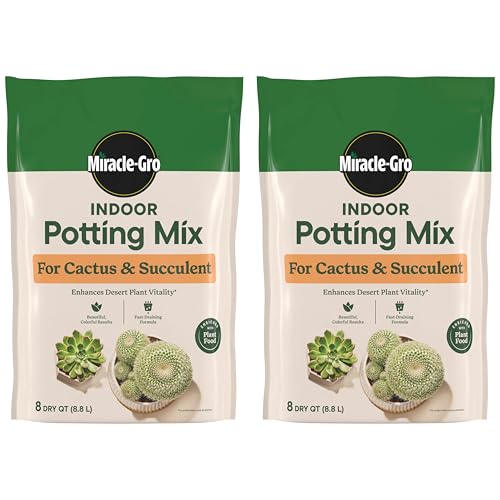
- Succulent & Cactus Mix – Look for brands that include perlite and peat moss.
- African Violet Potting Mix – This is often a good match because it's light, slightly acidic, and well-draining.
- Orchid Bark Blend – Mix it with regular potting soil for extra aeration.
✅ DIY Christmas Cactus Soil Recipe
- Base: 2 parts high-quality potting soil (or coconut coir).
- Drainage: 1 part perlite or coarse pumice.
- Aeration: 1 part orchid bark or fine pine bark fines.
- Optional: A handful of worm castings for gentle nutrition.
Mix thoroughly and moisten slightly before potting. This recipe is ideal for Christmas cactus, Thanksgiving cactus, and Easter cactus alike.
Want to learn about other holiday plants? Read our guide on how to care for a Thanksgiving cactus.
How to Repot Your Christmas Cactus (Step-by-Step)
Repotting is best done in spring, after blooming. Follow these steps for success:
- Step 1: Choose a pot that is only 1–2 inches larger than the current one. Too large a pot holds excess moisture.
- Step 2: Ensure the pot has drainage holes. Add a layer of gravel or broken pottery at the bottom (optional).
- Step 3: Fill the pot one-third with your prepared soil mix.
- Step 4: Gently remove the cactus from its old pot, loosen the roots, and place it in the new pot.
- Step 5: Fill around the roots with more soil, pressing lightly. The top of the root ball should be about 1 inch below the rim.
- Step 6: Water lightly and place in bright, indirect light. Do not fertilize for 4–6 weeks.
For more detailed instructions, visit our article on where to place your Christmas cactus for optimal light and temperature.
Common Soil Mistakes to Avoid
- Using regular garden soil – it's too heavy and may contain pests.
- Overwatering – even with perfect soil, Christmas cactus likes to dry out slightly between waterings.
- Ignoring pH – if your tap water is alkaline, it can raise soil pH over time. Use rainwater or distilled water occasionally.
- Not repotting – roots can become pot-bound, and soil breaks down. Refresh every 2–3 years.
If you notice wilting, yellowing, or mushy stems, check the soil moisture and root health. Adjust your watering schedule and ensure the soil is fast-draining.
Learn more about proper watering in our guide: how often to water a Christmas cactus.
Top Soil & Supplies for Your Christmas Cactus
To make it easy, we've selected some of the best commercial mixes and additives that align with the expert recommendations above. These products will help you create the ideal environment for your Christmas cactus.
If you're looking for more gardening essentials, explore our lawn and garden collection.