Venus Fly Trap Care Guide: Expert Tips for Growing Healthy Carnivorous Plants
Discover the secrets to thriving Venus fly traps. Learn about soil, watering, feeding, and dormancy to keep your Dionaea muscipula happy and snapping.
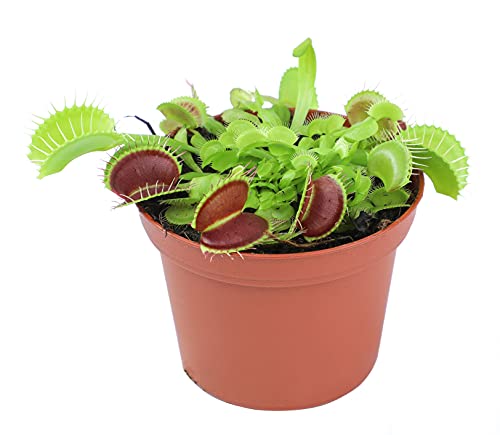
Shop Venus Fly Trap Supplies →Let Gardening Insight: The Venus fly trap (Dionaea muscipula) is one of the most fascinating carnivorous plants. Native to the subtropical wetlands of the Carolinas, it captures insects with its iconic jaw-like traps. With the right care, you can enjoy this unique plant indoors or outdoors.
Understanding the Venus Fly Trap
Venus fly traps are not your average houseplant. They require specific conditions to thrive: acidic soil, pure water (rainwater or distilled), plenty of sunlight, and a period of winter dormancy. While they can survive on insects alone, they also benefit from occasional feeding. Let's dive into the essentials of Venus fly trap care, from soil to feeding.
If you're new to carnivorous plants, start with a healthy Venus fly trap from a reputable nursery. Avoid buying plants that look stressed or have blackened traps. With proper care, your plant will reward you with vibrant green traps tinged with red, ready to catch unsuspecting insects. For more unique plants, check out our guide on bonsai tree care or explore low-maintenance indoor plants.
Venus Fly Trap Care Essentials
🌱 Soil & Potting
Use a mix of 1 part peat moss and 1 part perlite or sand. Never use regular potting soil, as it contains minerals that will harm your plant. The pot should have drainage holes to prevent waterlogging.
💧 Watering
Water with distilled water or rainwater only. Keep the soil consistently moist but not waterlogged. The tray method (placing the pot in a saucer of water) works well.
☀️ Light
Provide at least 6 hours of direct sunlight daily. An east or south-facing window is ideal. If growing indoors, consider a grow light to supplement natural light.
🐜 Feeding
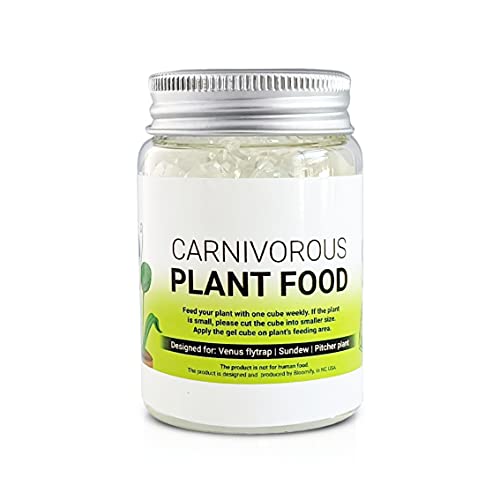
Feed your Venus fly trap live insects (like flies or crickets) or freeze-dried bugs. Avoid overfeeding—one insect per trap per month is sufficient. The trap closes when triggered, and digestion takes about a week.
❄️ Dormancy
Venus fly traps require a winter dormancy period of 3-4 months. During this time, reduce watering and move the plant to a cooler location (35-50°F). This rest period is essential for long-term health.
🔄 Repotting
Repot your Venus fly trap every 1-2 years in early spring, just before new growth begins. Gently remove the plant, trim any dead roots, and place it in fresh soil mix.
Step-by-Step Care Guide
Choosing the Right Soil
Venus fly traps are acid-loving plants. The ideal soil pH is between 3.5 and 4.5. A mix of peat moss and perlite (1:1) is perfect. Avoid fertilizers and soil with added nutrients, as they can burn the roots and kill the plant. For more on soil types, see our guide on best soil for lavender or best soil for Christmas cactus.
Watering Techniques
Never use tap water or filtered water with minerals. The salts and minerals in tap water will build up in the soil and harm the plant. Use rainwater, distilled water, or reverse osmosis water. Keep the soil damp but not soggy. The tray method (placing the pot in a saucer with 1/2 inch of water) is effective for maintaining consistent moisture.
Feeding Your Venus Fly Trap
While Venus fly traps can catch their own food, indoor plants may need occasional feeding. Use small insects like fruit flies, crickets, or mealworms. Live insects trigger the trap's digestive process more effectively. If you use freeze-dried bugs, rehydrate them first. Each trap can digest a few insects before it blackens and falls off. For more pet-safe plant options, consider cat and dog safe plants.
Providing Adequate Light
Venus fly traps love bright light. Place them on a sunny windowsill or under a grow light. During summer, you can move them outdoors for even more light. However, acclimate them gradually to prevent sunburn. If you're looking for other low-light options, explore plants that thrive in low light.
Managing Dormancy
In winter, Venus fly traps enter a dormant period. This is triggered by shorter days and cooler temperatures. Move the plant to a garage, shed, or unheated room where temperatures stay between 35-50°F. Water less frequently but don't let the soil dry out completely. In spring, as days lengthen, resume normal care. For other winter care tips, read about growing hostas or pruning hydrangeas.
Troubleshooting Common Problems
Blackening Traps
It's normal for traps to blacken and die after a few closures. However, if many traps are blackening, it could be due to overfeeding, poor water quality, or insufficient light.
Yellowing Leaves
Yellow leaves often indicate overwatering or mineral buildup. Check your water source and ensure the pot has good drainage. Repot if necessary.
No Trap Production
If your plant isn't producing traps, it may be getting too little light or may be entering dormancy. Move to a brighter location and ensure it's not in a temperature extreme.
Why Choose a Venus Fly Trap?
Venus fly traps are not only fascinating but also educational. They're a great way to introduce children to the wonders of nature and biology. With their unique appearance and insect-catching abilities, they make a conversation piece in any home. Plus, they help control pests naturally. If you're looking for other unique garden additions, consider plants that attract pollinators or deer-resistant options.
Remember, the Venus fly trap is a commitment. With proper care, it can live for 20 years or more. Invest in quality soil, water, and patience, and you'll be rewarded with a healthy, vibrant plant that's a joy to observe.
Explore More: If you enjoyed this guide, check out our articles on fly traps, peace lily care, snake plant benefits, air-purifying plants, and low-maintenance indoor plants.