Indoor Plants That Clean the Air and Remove Toxins
Breathe easier with nature's own air purifiers. Discover the most effective houseplants for removing formaldehyde, benzene, trichloroethylene, and other common indoor pollutants — backed by NASA research and expert care guides.
SEE TOP AIR-PURIFYING PLANTSWhy indoor air quality matters: The average person spends about 90% of their time indoors, where air can be 2 to 5 times more polluted than outdoors. Let gardening help you take control. Certain houseplants are natural air filters, absorbing volatile organic compounds (VOCs) through their leaves and roots. This guide covers the best air-purifying plants that are also low-maintenance — perfect for beginners and busy plant parents.
Top Air-Purifying Indoor Plants
Based on the famous NASA Clean Air Study and decades of horticultural expertise, these plants excel at removing toxins while being relatively easy to care for.
Snake Plant (Sansevieria)
- Toxins removed: Formaldehyde, benzene, xylene, toluene
- Light: Low to bright indirect
- Water: Every 2-3 weeks (let soil dry)
- Pet-friendly? Toxic to cats/dogs
- ★ Why it's great: Nearly indestructible; releases oxygen at night (ideal for bedrooms).
Spider Plant (Chlorophytum)
- Toxins removed: Formaldehyde, carbon monoxide, xylene
- Light: Bright, indirect (tolerates low)
- Water: Weekly; keep soil slightly moist
- Pet-friendly? ✓ Non-toxic to cats & dogs
- ★ Why it's great: Fast-growing, produces "spiderettes" for easy propagation.
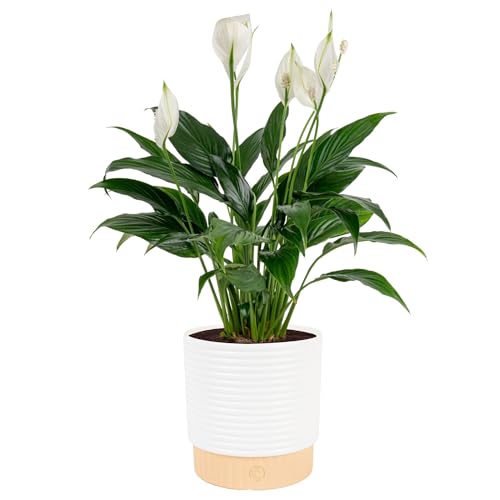
Peace Lily (Spathiphyllum)
- Toxins removed: Ammonia, benzene, formaldehyde, trichloroethylene
- Light: Low to moderate indirect
- Water: Keep soil consistently moist
- Pet-friendly? Toxic to cats/dogs
- ★ Why it's great: Beautiful white blooms; signals when thirsty (droops).
Boston Fern (Nephrolepis)
- Toxins removed: Formaldehyde, xylene
- Light: Bright, indirect (no direct sun)
- Water: Keep soil evenly moist; high humidity
- Pet-friendly? ✓ Non-toxic
- ★ Why it's great: Classic lush foliage; adds humidity to dry rooms.
Dracaena (Dracaena spp.)
- Toxins removed: Benzene, formaldehyde, trichloroethylene, xylene
- Light: Low to bright indirect
- Water: Allow top 1-2" to dry between watering
- Pet-friendly? Toxic to cats/dogs
- ★ Why it's great: Striking varieties (e.g., 'Janet Craig', 'Marginata') tolerate neglect.
Pothos (Epipremnum)
- Toxins removed: Formaldehyde, benzene, carbon monoxide
- Light: Low to bright indirect
- Water: Let top inch dry; water every 1-2 weeks
- Pet-friendly? Toxic to cats/dogs
- ★ Why it's great: Trailing vines; almost impossible to kill; grows quickly.
Areca Palm (Dypsis lutescens)
- Toxins removed: Formaldehyde, benzene, carbon monoxide
- Light: Bright, indirect (some direct morning sun)
- Water: Keep soil evenly moist (not soggy)
- Pet-friendly? ✓ Non-toxic
- ★ Why it's great: Elegant palm; excellent humidifier; adds tropical vibe.
Rubber Plant (Ficus elastica)
- Toxins removed: Formaldehyde
- Light: Bright, indirect (tolerates lower)
- Water: Water when top 1-2" dry
- Pet-friendly? Toxic to cats/dogs
- ★ Why it's great: Large, glossy leaves; makes a bold statement; easy to clean.
How Indoor Plants Remove Toxins
Plants don't just produce oxygen — they actively absorb harmful gases through tiny openings in their leaves (stomata) and through the soil microorganisms in their root zones. The NASA Clean Air Study demonstrated that certain plants can remove up to 87% of indoor air pollutants within 24 hours. This process, called phytoremediation, is a natural, cost-effective way to improve indoor air quality.
Key toxins targeted by these plants include:
- Formaldehyde – found in adhesives, pressed wood, and some fabrics.
- Benzene – present in plastics, detergents, and tobacco smoke.
- Trichloroethylene – used in dry cleaning and some industrial solvents.
- Xylene and toluene – common in paints, varnishes, and cleaning products.
For best results, place one plant per 100 square feet of space. Combine different species to maximize the range of toxins removed. For a comprehensive list of low-maintenance air-purifiers, check our dedicated guide.
Pro Care Tips for Air-Purifying Plants
- ✔ Light: Most thrive in bright, indirect light but many tolerate low light.
- ✔ Water: Overwatering kills more plants than neglect. Always check soil moisture.
- ✔ Humidity: Group plants together or use a pebble tray to increase humidity.
- ✔ Dusting: Wipe leaves monthly with a damp cloth to maximize photosynthesis.
- ✔ Potting: Use well-draining soil and pots with drainage holes.
- ✔ Fertilizer: Feed lightly during growing season (spring-summer).
⚠️ Pet & Child Safety: Some popular air-purifying plants (like peace lilies, snake plants, and pothos) are toxic if ingested. If you have curious pets or children, consider pet-friendly alternatives like spider plants, Boston ferns, or areca palms. Always place plants out of reach and consult the ASPCA toxic plant list if unsure.
Why You Should Add Air-Purifying Plants to Your Home
Reduce indoor pollutants that trigger allergies and respiratory issues.
Studies show that indoor plants lower stress and improve mood.
Plants release moisture, combating dry air in winter.
Lush greenery enhances any interior design style.
Frequently Asked Questions
How many plants do I need to clean the air in a room?
As a general rule, aim for at least one medium-sized plant (6-8 inch pot) per 100 square feet of floor space. For optimal results, use a mix of species.
Do air-purifying plants really work?
Yes! The NASA Clean Air Study and numerous follow-up studies confirm that specific houseplants effectively remove volatile organic compounds (VOCs) from enclosed spaces.
Which is the easiest air-purifying plant for beginners?
The snake plant and pothos are virtually indestructible and tolerate low light and irregular watering — perfect for novice plant parents.
Ready to Breathe Cleaner Air?
Select your favorite air-purifying plants from our recommended products below. Each link takes you to top-rated options with fast shipping.
SHOP AIR-PURIFYING PLANTS