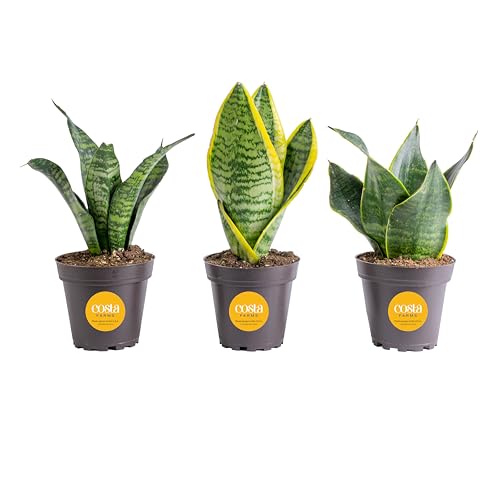
Snake Plant for Air Purification: The Ultimate Natural Air Filter
Discover why the snake plant (Sansevieria) is one of the best indoor plants for improving air quality. Learn how it removes toxins, boosts oxygen, and thrives with minimal care.
Shop Top-Rated Snake Plants →Let Gardening Philosophy: Clean air is essential for a healthy home. The snake plant is a low-maintenance powerhouse that filters indoor air, removes harmful toxins, and adds a touch of greenery to any space. Whether you're a beginner or an experienced plant parent, this guide will help you maximize the benefits of your snake plant.
Why Snake Plant is a Top Air Purifier
The snake plant, also known as Sansevieria trifasciata or mother-in-law's tongue, is renowned for its air-purifying qualities. It was included in NASA's Clean Air Study and is proven to remove toxins like formaldehyde, benzene, xylene, and toluene from the air. Unlike most plants, snake plants convert CO₂ to oxygen at night, making them ideal for bedrooms.
🌿 Toxin Removal
Filters formaldehyde, benzene, xylene, and toluene from indoor air, improving overall air quality.
🌙 Nighttime Oxygen
Uses CAM photosynthesis to release oxygen at night, making it perfect for bedrooms and improving sleep quality.
💧 Low Maintenance
Thrives with infrequent watering and low light, making it nearly impossible to kill for busy plant owners.
🚫 Allergy-Friendly
Reduces airborne dust and allergens, contributing to a cleaner, healthier indoor environment.
Best Snake Plant Varieties for Air Purification
While all snake plants purify air, some varieties are more popular and easier to find. Here are the top choices for your home:
Sansevieria trifasciata 'Laurentii'
Yellow-edged leaves with dark green centers. Classic and robust, excellent for beginners.
Sansevieria cylindrica
Round, spear-like leaves that grow upright. Unique appearance and highly tolerant of neglect.
Sansevieria trifasciata 'Hahnii'
Compact rosette form, perfect for tabletops and small spaces. Same air-purifying benefits.
Sansevieria 'Moonshine'
Pale silvery-green leaves with dark margins. A modern, elegant choice for contemporary interiors.
Snake Plant Care Guide for Maximum Benefits
To ensure your snake plant thrives and continues to purify air effectively, follow these simple care tips:
- Light: Low to bright indirect light. Avoid direct harsh sunlight which can scorch leaves.
- Water: Allow soil to dry completely between waterings. Overwatering is the most common cause of failure.
- Soil: Use well-draining potting mix, preferably a cactus or succulent blend to prevent root rot.
- Temperature: Average room temperature 60-80°F (15-27°C). Protect from cold drafts and temperatures below 50°F.
- Fertilizer: Feed with a balanced liquid fertilizer once or twice during the growing season (spring/summer).
- Repotting: Repot every 2-3 years or when rootbound. Use a pot with drainage holes.
How Snake Plant Purifies Air: Scientific Backing
The NASA Clean Air Study found that snake plants can remove up to 47% of common airborne toxins in 24 hours. They absorb toxins through their leaves and convert them into harmless substances. Additionally, they release moisture vapor, which can help reduce airborne allergens and dust. This makes them an excellent choice for homes, offices, and any indoor space where air quality is a concern.
For even better indoor air quality, consider pairing your snake plant with other indoor plants for air purifying and low-maintenance care. You can also explore best low-maintenance indoor plants for clean air for more options. If you have pets, check out indoor plants that are safe for cats and dogs to ensure a pet-friendly environment.
Frequently Asked Questions About Snake Plants
Is snake plant safe for pets?
Snake plants are mildly toxic to cats and dogs if ingested due to saponins. Keep them out of reach or consider non-toxic plants for cats as alternatives.
How often should I water my snake plant?
Water every 2-6 weeks depending on light and temperature. Always check that the soil is completely dry before watering.
Can snake plant grow in low light?
Yes, snake plants adapt well to low light conditions, though growth may slow. For best results, place in bright indirect light.
Does snake plant improve sleep quality?
Yes, because it releases oxygen at night and removes CO₂, it can enhance air quality in bedrooms, promoting better sleep.
How do I propagate snake plant?
Propagate by leaf cuttings in water or soil, or by division when repotting. Both methods are easy for beginners.
Ready to Breathe Cleaner Air?
Bring home a snake plant today and transform your indoor environment. Shop our curated selection of healthy, ready-to-thrive plants.
Shop Snake Plants Now →