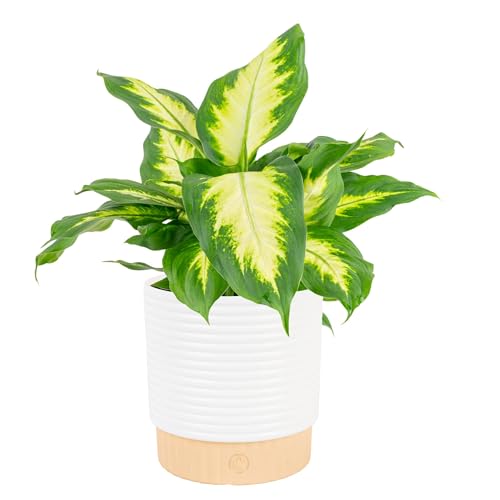
15 Low-Light Plants That Thrive With Little to No Sun
Transform dark corners, bathrooms, and offices into green sanctuaries. These low-maintenance indoor plants are perfect for spaces with minimal natural light — and they're nearly impossible to kill.
Explore the Plants →🌿 What Makes a Plant "Low-Light" Tolerant?
Low-light plants are adapted to survive under the canopy of larger trees in the wild, receiving only filtered or indirect sunlight. They have efficient photosynthesis and slow growth rates, which means they need less water and fertilizer than sun-loving plants. Most can tolerate 50–250 foot-candles (about 5–20% of full sun).
Before you buy, assess your space: north-facing windows offer the least light, while east/west windows provide moderate indirect light. Avoid placing any plant in complete darkness for more than a few days.
Top Low-Light Plants for Every Room
These 15 varieties are proven survivors — perfect for beginners and busy plant parents.
Snake Plant (Sansevieria trifasciata)
One of the most tolerant plants on earth. Snake plants can go weeks without water and thrive in almost any light condition — from bright indirect to deep shade.
- Light: Low to bright indirect
- Water: Every 2–4 weeks (let soil dry)
- Size: 2–4 ft tall
- Air purifying: Removes formaldehyde & benzene
ZZ Plant (Zamioculcas zamiifolia)
With glossy, waxy leaves, the ZZ plant is nearly indestructible. It stores water in its rhizomes, so it can survive months of neglect and very low light.
- Light: Low to medium indirect
- Water: Every 3–4 weeks
- Size: 2–3 ft tall
- Pet friendly: Mildly toxic, keep away from pets
Peace Lily (Spathiphyllum)
Peace lilies are famous for their ability to thrive in dark corners and even bathrooms. They also signal when they need water — their leaves droop dramatically, then perk up after watering.
- Light: Low to medium indirect
- Water: Once a week (when drooping)
- Size: 1–3 ft
- Air purifying: Removes mold spores & VOCs
Pothos (Epipremnum aureum)
Pothos is incredibly versatile. It grows in water or soil, tolerates low light, and its cascading vines add instant greenery to shelves and hanging baskets.
- Light: Low to bright indirect
- Water: Every 1–2 weeks
- Size: Trails up to 10 ft
- Propagation: Easy to root in water
Chinese Evergreen (Aglaonema)
These beauties come in silver, green, and pink variegations. They thrive in low light and are among the easiest houseplants to maintain.
- Light: Low to medium indirect
- Water: Every 1–2 weeks
- Size: 1–3 ft
- Air purifying: Filters indoor air pollutants
Dracaena (Dracaena spp.)
Dracaenas are architectural plants with striped or solid leaves. They are extremely forgiving and can grow in dimly lit offices and living rooms.
- Light: Low to medium indirect
- Water: Every 2–3 weeks
- Size: 3–6 ft (indoor)
- Caution: Toxic to pets
Cast Iron Plant (Aspidistra elatior)
True to its name, the cast iron plant can withstand extreme neglect, dust, low light, and even temperature fluctuations. A classic for dark hallways.
- Light: Very low to bright indirect
- Water: Every 2–3 weeks
- Size: 2–3 ft
- Durability: Tolerates dry air
Philodendron (Philodendron hederaceum)
Trailing philodendrons are low-light champions. Their heart-shaped leaves cascade beautifully from shelves or hanging pots, and they grow quickly even in dim light.
- Light: Low to medium indirect
- Water: Every 1–2 weeks
- Size: Trails 4–6 ft
- Air purifying: Removes formaldehyde
Parlor Palm (Chamaedorea elegans)
This small palm is one of the best low-light palms. It adds a tropical feel to any room and thrives in low to moderate indirect light.
- Light: Low to bright indirect
- Water: Every 1–2 weeks
- Size: 2–4 ft
- Pet friendly: Safe for cats and dogs
Spider Plant (Chlorophytum comosum)
Spider plants are incredibly resilient and produce "babies" (plantlets) that you can propagate. They adapt to almost any light condition, though they prefer bright indirect.
- Light: Low to bright indirect
- Water: Every 1–2 weeks
- Size: 1–2 ft (spreads wide)
- Air purifying: Removes carbon monoxide & xylene
💡 Pro Tips for Low-Light Plant Success
- Water less: Low light means slow growth — and slow evaporation. Overwatering is the #1 killer. Check soil before watering.
- Dust leaves: Dust blocks light. Wipe leaves with a damp cloth every 2–4 weeks.
- Rotate occasionally: Give each side a turn so the plant grows evenly.
- Fertilize sparingly: Use half-strength liquid fertilizer once in spring and summer only.
- Use grow lights (optional): If you want to boost growth in very dark rooms, a small LED grow light works wonders.
What to Look for When Buying Low-Light Plants
Whether you're shopping online or at a garden center, keep these factors in mind:
- Leaf condition: Avoid yellowing or brown tips — they indicate poor care or pests.
- Root check: If possible, gently lift the plant from its pot to check for healthy white roots (not mushy or dark).
- Size vs. space: Consider mature size. A small snake plant can grow to 4 feet tall in a few years.
- Pet safety: If you have cats or dogs, check toxicity. Many low-light plants are mildly toxic.
Ready to green up your dark spaces? The products below include our top picks for pots, grow lights, and plant care supplies to help your low-light plants thrive.