Peace Lily Care Guide – Thriving Spathiphyllum
Discover expert tips for growing a lush, blooming peace lily. From light and water to fertilizer and troubleshooting — everything you need for a stunning, air-purifying houseplant.
Shop Peace Lily SuppliesWhat is a Peace Lily?
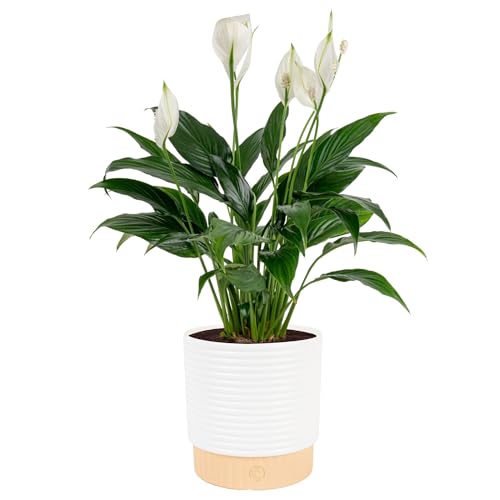
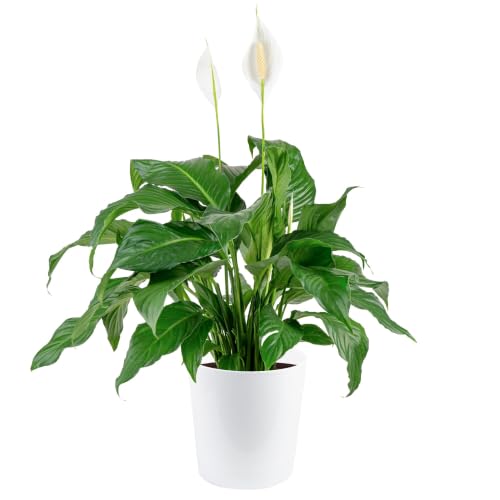
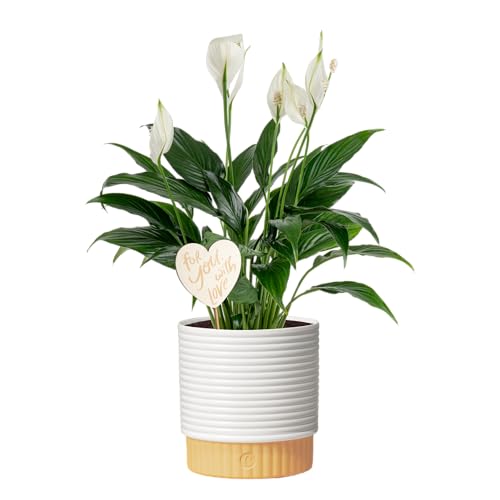
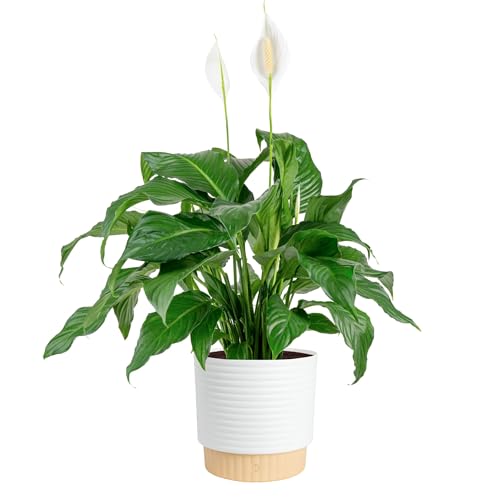
Peace lily (Spathiphyllum) is a beloved tropical houseplant prized for its glossy, dark green leaves and elegant white spathes. Native to the rainforests of Central and South America, it thrives indoors with minimal fuss. Beyond its beauty, the peace lily is a top-rated air purifier — it removes formaldehyde, benzene, and other toxins, making it a favorite for homes and offices.
🌿 Did You Know? Peace lilies are not true lilies (Lilium). They belong to the Araceae family, which also includes philodendrons and pothos. They are safe for humans but toxic to pets (cats and dogs) if ingested — keep them out of reach.
Peace Lily Care at a Glance
💡 Light
Low to bright indirect light. Avoid direct sun — it scorches leaves. Thrives in north or east-facing windows.
💧 Water
Keep soil slightly moist but not soggy. Water when the top inch is dry. Wilting signals thirst — revive quickly.
🌫️ Humidity
Prefers moderate to high humidity (50%+). Mist regularly or use a pebble tray. Brown leaf tips indicate dry air.
🌱 Soil
Well-draining, peat-based potting mix with perlite. pH 5.8–6.5. Repot every 1–2 years in spring.
🧪 Fertilizer
Balanced liquid fertilizer (20-20-20) diluted to half-strength, every 6–8 weeks during growing season (spring–summer).
✂️ Pruning
Remove yellow or brown leaves at the base. Deadhead spent blooms to encourage more flowers.
Complete Peace Lily Care Guide
Light Requirements
Peace lilies are champions of low light indoor plants. They thrive in bright, indirect light but also tolerate fluorescent and low-light conditions. Avoid direct sunlight — it causes leaf burn. A north-facing window or several feet from an east/west window is ideal. If leaves turn yellow, the plant may be getting too much light; if it fails to bloom, try moving it to a brighter spot.
Watering Wisdom
Consistent moisture is key. Water when the top inch of soil feels dry to the touch. Peace lilies are dramatic — they will wilt when thirsty but perk up quickly after watering. Use room-temperature, filtered water if possible, as tap water with fluoride/chlorine can cause brown leaf tips. Reduce watering in winter but never let the soil dry completely. Overwatering leads to root rot — ensure pots have drainage holes.
Humidity & Temperature
Native to tropical rainforests, peace lilies love humidity. Aim for 50–60% humidity. Group plants together, use a humidifier, or place a pebble tray with water beneath the pot. Ideal temperatures range from 65–80°F (18–27°C). Protect from cold drafts, air conditioners, and heaters. Sudden temperature drops cause stress and leaf spots.
Soil & Repotting
Use a well-aerated, peat-based potting mix with perlite or orchid bark for drainage. A blend of 2 parts peat moss, 1 part perlite, and 1 part compost works well. Repot in early spring every 1–2 years or when roots crowd the pot. Choose a pot 2 inches larger in diameter. Gently loosen roots and refresh the soil. Avoid deep planting — keep the crown at soil level.
Fertilizing for Flowers
Feed your peace lily with a balanced liquid fertilizer (e.g., 20-20-20) diluted to half-strength every 6–8 weeks from early spring through late summer. Over-fertilizing can cause salt build-up and brown leaf edges. If leaves turn dark green but blooms are absent, reduce nitrogen and increase phosphorus (use a bloom-booster formula). Flush the soil every few months to remove excess salts.
Pruning and Maintenance
Regularly remove dead, yellow, or brown leaves by cutting them at the base. Snip off faded flowers at the stem to encourage new blooms. Wipe leaves with a damp cloth to remove dust and improve photosynthesis. If the plant becomes leggy, you can prune it back to promote bushier growth — peace lilies respond well to rejuvenation pruning.
Common Peace Lily Problems & Solutions
- Brown leaf tips: Usually low humidity, fluoride in water, or over-fertilizing. Mist regularly, use filtered water, and flush soil.
- Yellow leaves: Overwatering, poor drainage, or too much direct light. Check soil moisture and adjust watering.
- Drooping/wilting: Underwatering or extreme heat. Water thoroughly and move to a cooler spot.
- No flowers: Insufficient light or fertilizer. Move to brighter indirect light and feed with a bloom-booster.
- Pests: Mealybugs, aphids, or spider mites. Wipe with insecticidal soap or neem oil. Isolate infected plants.
If your peace lily is struggling, check for root rot — mushy, brown roots indicate overwatering. Trim affected roots and repot in fresh, dry soil.
✅ Benefits of Peace Lilies
- Superb air purifier (removes toxins)
- Thrives in low light
- Elegant, long-lasting blooms
- Low maintenance & forgiving
- Great for beginners
⚠️ Watch Outs
- 🐾 Toxic to cats and dogs
- 🌿 Needs consistent moisture
- 🌫️ Prefers high humidity
- 💧 Sensitive to tap water chemicals
Frequently Asked Questions
How often should I water my peace lily?
Water when the top inch of soil feels dry — typically once a week, but frequency varies with light and temperature. Always check the soil before watering.
Can peace lilies grow in low light?
Yes! They are one of the best low-maintenance indoor plants for clean air and adapt to low light. However, they may not bloom as frequently in very low light.
Why are my peace lily leaves turning brown?
Brown tips often indicate low humidity, fluoride in water, or salt build-up from fertilizer. Use filtered water, mist regularly, and flush the soil.
Is peace lily safe for pets?
No. Peace lilies contain calcium oxalate crystals that are toxic to cats and dogs. Keep them out of reach or choose non-toxic plants for cats.
How do I get my peace lily to bloom?
Provide bright indirect light and feed with a balanced fertilizer during spring and summer. A little patience — they typically bloom in spring and summer.
Ready to Grow a Stunning Peace Lily?
Shop our recommended peace lily care products — pots, soil, fertilizers, and more — handpicked for healthy, vibrant plants.
Explore Peace Lily Supplies