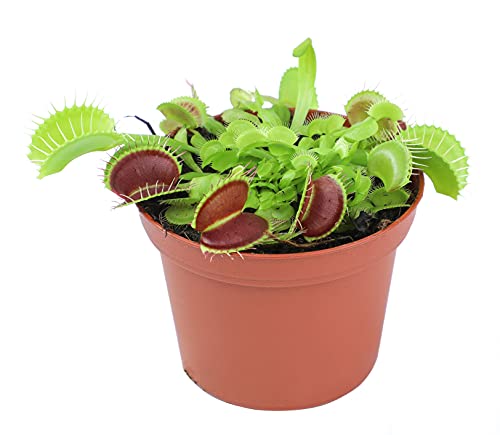
Venus Flytrap & Fly Traps: Complete Care Guide
Discover everything you need to know about growing and caring for Venus flytraps and other carnivorous plants. From feeding to dormancy, we cover it all.
Fly traps — particularly the iconic Venus flytrap (Dionaea muscipula) — are among the most fascinating plants you can grow. Native to the subtropical wetlands of the East Coast of the United States, these carnivorous plants have evolved to capture and digest insects to supplement the nutrient-poor soil they inhabit. If you're looking for a unique, interactive houseplant that sparks conversation and curiosity, the Venus flytrap is an excellent choice.
In this comprehensive guide, we'll walk you through Venus flytrap care, including proper lighting, watering, feeding, soil requirements, dormancy, and common mistakes to avoid. Whether you're a beginner or a seasoned plant parent, this guide will help you keep your fly trap healthy and thriving for years to come.
Key Facts About Venus Flytraps
🪴 Quick Overview
- Botanical Name: Dionaea muscipula
- Native Range: Coastal Carolinas, USA
- Size: 4–6 inches (10–15 cm) diameter
- Lifespan: 20+ years with proper care
- Growth Rate: Moderate
- Dormancy: Required (winter rest)
🌱 Care Essentials
- Light: Bright, direct sunlight (4–6 hours)
- Water: Distilled, rain, or reverse osmosis water
- Soil: Peat moss + perlite (no fertilizer)
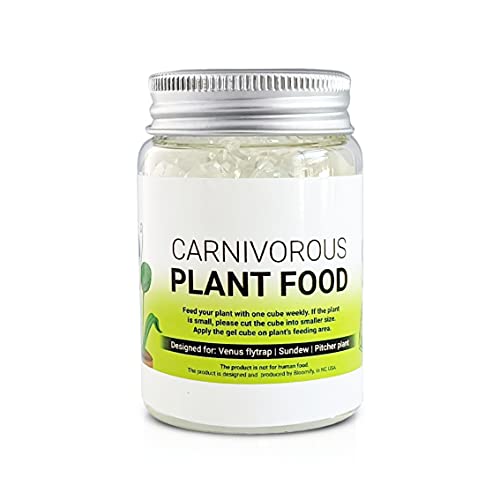
- Feeding: Insects or freeze-dried bloodworms
- Humidity: 50–70% (tolerates average household)
- Temperature: 70–85°F (21–29°C) growing season
How to Care for Your Venus Flytrap
☀️ Light Requirements
Venus flytraps are sun-loving plants. They require at least 4–6 hours of direct sunlight each day. A south-facing window is ideal. If you don't have enough natural light, consider using a full-spectrum grow light (such as indoor grow lights) placed 6–12 inches above the plant for 12–14 hours daily. Insufficient light will result in weak, elongated leaves and pale traps.
💧 Watering: The Golden Rule
Never use tap water, bottled water, or spring water — these contain minerals that will kill your flytrap. Always use distilled water, rainwater, or reverse osmosis water. Keep the soil consistently moist but not waterlogged. The tray method works best: place the pot in a shallow tray with 1–2 inches of pure water and refill as it evaporates. This mimics the plant's natural bog environment.
🌱 Soil & Potting
Use a nutrient-poor, acidic soil mix: 50% sphagnum peat moss and 50% perlite or coarse sand. Do not add fertilizer, compost, or garden soil — these will burn the roots. Repot every 2–3 years in early spring, using a plastic or glazed ceramic pot (terracotta can leach minerals). Always wear gloves when handling peat moss.
🪰 Feeding Your Flytrap
While Venus flytraps can photosynthesize, they do require insects to thrive. Feed each trap 1–2 insects per month (houseflies, crickets, or freeze-dried bloodworms). Do not overfeed — feeding too often or too large prey can cause the trap to blacken and die. Gently place the insect inside the trap and it will close; the digestive process takes 5–12 days. Never feed them raw meat, human food, or processed insects.
❄️ Dormancy: Winter Rest
Venus flytraps require a dormancy period of 3–4 months (November to February) to survive long-term. During this time, reduce watering, stop feeding, and move the plant to a cool location (35–50°F / 2–10°C). An unheated garage, basement, or cold frame works well. The plant may appear to die back, but this is normal — it will regrow in spring. Without dormancy, the plant will weaken and eventually perish.
Avoid These Common Flytrap Mistakes
❌ Using tap water — minerals accumulate and cause root burn. Always use distilled or rainwater.
❌ Overfeeding — traps need energy to close and digest. Feeding too often drains the plant. Stick to 1–2 insects per month.
❌ Skipping dormancy — without a winter rest, the plant will exhaust itself and die within 1–2 years.
❌ Fertilizing — Venus flytraps get nutrients from bugs, not from soil. Fertilizer is toxic to them.
❌ Touching the traps — each trap can only close a limited number of times (about 3–5) before it dies. Triggering them for fun weakens the plant.
Frequently Asked Questions
Can I grow a Venus flytrap indoors?
Yes, absolutely! They make fascinating houseplants. Just ensure they receive enough direct sunlight or grow light, and use pure water.
How often should I water my flytrap?
Keep the soil moist at all times using the tray method. In hot weather, you may need to refill the tray every 1–2 days.
Why is my flytrap turning black?
Individual traps naturally die after 3–5 closings. However, if multiple leaves are blackening, check for overwatering, mineral buildup, or insufficient light. Remove black leaves with sterilized scissors.
Can I keep my flytrap outside?
Yes, they thrive outdoors in warm, humid climates. Acclimate them gradually to full sun. In colder zones, bring them indoors during winter or provide protection.
Related Guides: If you enjoy carnivorous plants, you might also like our guides on Venus flytrap varieties, plants that attract pollinators, or pet-safe houseplants. For garden essentials, check out our recommendations for low-maintenance indoor plants.
Ready to grow your own Venus flytrap? With the right care — pure water, plenty of light, proper soil, and a winter dormancy — your fly trap can become a long-lived, captivating part of your plant collection. Browse our recommended products below to find everything you need to get started, from special carnivorous plant soil to grow lights and feeding supplies.