
Plants That Attract Bees, Butterflies & Hummingbirds
Transform your garden into a vibrant pollinator paradise. Discover expert-recommended plants, care tips, and design ideas to support bees, butterflies, and hummingbirds while creating a stunning outdoor sanctuary.
View Top PlantsWhy Create a Pollinator-Friendly Garden?
Creating a garden that attracts bees, butterflies, and hummingbirds is one of the most rewarding ways to enhance your outdoor space. These essential pollinators are vital to our ecosystem—they help fertilize over 75% of the world's flowering plants and are responsible for one out of every three bites of food we eat. By planting specific flowers, shrubs, and trees, you can provide food, shelter, and breeding grounds for these beautiful creatures, all while enjoying a vibrant, lively garden. Let Let Gardening guide you through the best plants and practices for a thriving pollinator habitat.
Whether you have a sprawling backyard or a small balcony, you can create an inviting haven. This guide covers everything from showy perennials to fragrant shrubs, ensuring a season-long buffet for your winged visitors. Learn about plant selection, garden design, and maintenance tips that will make your garden a pollinator magnet.
🐝 Support Bees
Native and non-native bees are crucial for pollination. Provide them with a variety of nectar and pollen-rich flowers.
🦋 Attract Butterflies
Butterflies add beauty and color. Plant host plants for caterpillars and nectar-rich flowers for adults.
🐦 Invite Hummingbirds
These tiny, jewel-like birds love tubular flowers. Create a dynamic garden with red, orange, and pink blooms.
🌱 Healthier Ecosystem
A pollinator garden promotes biodiversity, improves soil health, and reduces the need for pesticides.
Top Plants to Attract Bees, Butterflies, and Hummingbirds
Here are some of the best plants that are proven to attract pollinators. Each plant is chosen for its beauty, ease of care, and ability to draw in bees, butterflies, and hummingbirds.
Buddleia (Butterfly Bush)
A classic favorite, Butterfly Bush produces long, fragrant flower spikes in shades of purple, pink, and white that are irresistible to butterflies, bees, and hummingbirds. It blooms continuously from summer to fall.
- Height: 4–10 ft
- Hardiness: Zones 5–9
- Pollinator Favorite: Butterflies, Bees, Hummingbirds
Monarda (Bee Balm)
Bee Balm is a native North American plant with striking, shaggy flower heads in red, pink, and purple. Its fragrant foliage and nectar-rich blooms are a beacon for bees, butterflies, and hummingbirds.
- Height: 2–4 ft
- Hardiness: Zones 4–9
- Pollinator Favorite: Bees, Hummingbirds, Butterflies
Asclepias (Milkweed)
Essential for monarch butterflies, Milkweed is the host plant for monarch caterpillars. Its clusters of small, fragrant flowers in orange, pink, or white also attract bees and other butterflies.
- Height: 1–5 ft
- Hardiness: Zones 3–9
- Pollinator Favorite: Monarch Butterflies, Bees
Campsis (Trumpet Vine)
Trumpet Vine produces spectacular, trumpet-shaped orange or red flowers that are a hummingbird magnet. It's a vigorous climber that adds vertical interest to any pollinator garden.
- Height: 20–40 ft (vine)
- Hardiness: Zones 4–9
- Pollinator Favorite: Hummingbirds, Bees
Lavandula (Lavender)
Lavender is beloved for its soothing fragrance and purple flower spikes. It is a top choice for bees and butterflies, providing abundant nectar from early to mid-summer.
- Height: 1–3 ft
- Hardiness: Zones 5–9
- Pollinator Favorite: Bees, Butterflies
Echinacea (Coneflower)
Native to North America, Coneflower boasts large, daisy-like flowers with prominent, spiky centers. Its bright purple, pink, or white blooms are highly attractive to bees and butterflies.
- Height: 2–5 ft
- Hardiness: Zones 3–9
- Pollinator Favorite: Butterflies, Bees
Salvia (Sage)
Salvia produces tall, colorful flower spikes in shades of blue, purple, red, and pink. It is extremely attractive to hummingbirds, bees, and butterflies, and blooms prolifically through summer.
- Height: 1–4 ft
- Hardiness: Zones 4–9
- Pollinator Favorite: Hummingbirds, Bees, Butterflies
Rudbeckia (Black-Eyed Susan)
Black-Eyed Susans are cheerful, daisy-like flowers with bright yellow petals and dark brown centers. They are a late-summer staple for bees and butterflies, providing abundant nectar and pollen.
- Height: 2–3 ft
- Hardiness: Zones 3–9
- Pollinator Favorite: Bees, Butterflies
🌿 Expert Gardening Tips for a Thriving Pollinator Garden
Creating a successful pollinator garden involves more than just planting flowers. Let Gardening provides these essential tips for maximum impact.
- Plant in Clusters: Group the same species together in large blocks to make it easier for pollinators to find and feed on them.
- Provide Continuous Bloom: Select a mix of plants that flower at different times from early spring to late fall to ensure a steady food supply.
- Include Host Plants: Butterflies need host plants to lay eggs on (e.g., Milkweed for Monarchs). Including these is vital for their lifecycle.
- Avoid Pesticides: Chemical pesticides are harmful to pollinators. Opt for natural pest control methods and encourage beneficial insects.
- Offer Water: A shallow birdbath or a dish with stones and water gives pollinators a place to drink and cool off.
- Provide Shelter: Leave some areas of your garden a little wild. Brush piles, fallen logs, and patches of bare soil can provide nesting sites for bees.
Looking for more inspiration? Explore our guides on flowers for butterflies and hummingbirds, or learn about low-maintenance landscaping that still supports wildlife. For gardeners with specific conditions, check our advice on plants for wet soil and shade.
Designing Your Pollinator Paradise
A well-planned garden not only attracts pollinators but also creates a beautiful and functional space for you to enjoy. Here are some design principles from Let Gardening to guide you:
🎨 Color Palette
Hummingbirds are drawn to red, orange, and pink. Butterflies and bees prefer purple, blue, yellow, and white flowers. Use a mix of colors for maximum appeal.
📐 Layers & Structure
Create vertical layers using trees, shrubs, perennials, and groundcovers. This mimics natural habitats and offers more niches for different species.
🌼 Native Plants
Native plants are adapted to your local climate and are the best food sources for native pollinators. They also require less water and maintenance.
To further enhance your pollinator garden, consider adding specific elements. For instance, outdoor storage can help keep your gardening tools organized. If you're interested in other specific plants, check out our articles on olive trees or bonsai care. For comprehensive garden planning, explore our lawn and garden section.
Essential Gardening Supplies for Your Pollinator Garden
⚠️ AFFILIATE DISCLOSURE: This website contains affiliate links. As an Amazon Associate, we earn from qualifying purchases. If you make a purchase through these links, we may receive a small commission at no additional cost to you. Read our full affiliate policy.
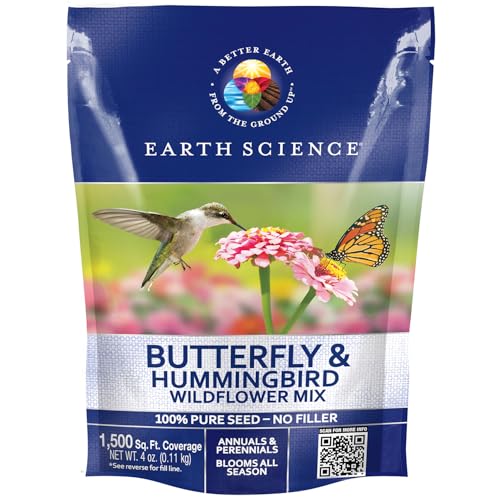
Earth Science Butterfly & Hummingbird Wildflower Seed Blend - 4oz - Premium Flower Seeds to Attract Bees, Butterflies, Hummingbirds & Native Pollinators - Non GMO

330+ Butterfly Bush Seeds - Perennial Plant | Highly Fragrant Flowers that Attract Hummingbirds, Bees & Pollinators to Your Garden

Bee Balm Gardening for Beginners: How to Grow, Care for, and Multiply This Stunning Perennial Plant That Attract Butterflies, Bees, and Hummingbirds

HOME GROWN 19 Wildflower Variety Mix 63,200+ Flower Seeds 4 oz

American Plant Exchange Milkweed Tropical Plants – 6-Inch Pot 3-Pack – Live Tropical Red & Yellow Flowering Butterfly Weed, Monarch Host Plant for Pollinators, Bees & Outdoor Gardens

Burpee Wildflower 25,000 Bulk, 1 Bag 18 Varieties of Non-GMO Flower Seeds for Hummingbirds and Butterflies

Perfect Plants Li'l Raspberry Butterfly Bush, 1 Gallon, Live Plant

LOSEEDSOO Wild Bergamot Seeds for Planting, 2500+ Heirloom Bee Balm Flower Seeds, Monarda fistulosa Native Perennial Wildflower, Attracts Bees Butterflies & Hummingbirds for Outdoor Garden
Disclaimer
Let Gardening provides educational content only. Not a substitute for professional horticulturist or landscape architect services. Always consult a qualified professional for major landscaping or agricultural work. Some content may use AI. We are not responsible for plant damage, injuries, or outcomes. By using this site, you accept these terms. If you do not agree, please leave this website and discontinue its use. Read full disclaimer.