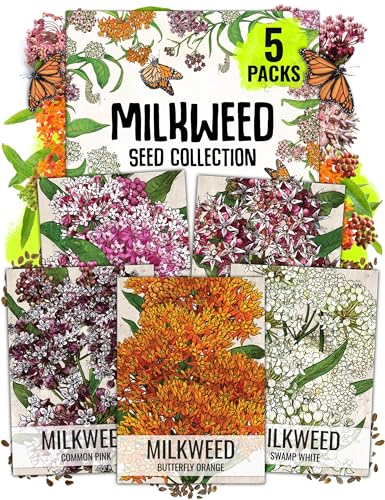
Asclepias Milkweed: The Ultimate Guide to Butterfly Weed
Let gardening inspire you! Asclepias milkweed is the essential host plant for monarch butterflies and a stunning addition to any pollinator garden. Learn how to grow, care for, and use this native beauty in your landscape.
SHOP MILKWEED PRODUCTSLet Gardening Philosophy: Asclepias milkweed is more than just a plant—it's a lifeline for monarch butterflies and a beautiful, low-maintenance addition to any garden. By growing this native plant, you're helping to restore vital habitats for pollinators while enjoying its vibrant blooms.
What is Asclepias Milkweed?
Asclepias, commonly known as milkweed, is a genus of herbaceous perennial plants known for their unique flowers and their crucial role in the life cycle of monarch butterflies. There are over 100 species of milkweed native to North America, with the most popular being Butterfly Weed (Asclepias tuberosa) and Swamp Milkweed (Asclepias incarnata).
These plants are called "milkweed" because of the milky sap that oozes from their stems and leaves when broken. This sap contains toxic compounds called cardenolides, which provide the monarch caterpillar with a chemical defense against predators—a perfect example of nature's symbiotic relationships.
If you're looking to create a garden that supports local wildlife, milkweed is an essential component. For a full list of plants that attract beneficial insects, check out our guide on best plants for bees, butterflies, and hummingbirds.
Why Grow Milkweed in Your Garden?
🌿 Monarch Butterfly Host Plant
Monarch butterflies lay their eggs exclusively on milkweed. The caterpillars feed on the leaves, ingesting the toxic sap that makes them distasteful to predators. Without milkweed, monarchs cannot reproduce, making this plant essential for their survival.
🌸 Stunning Native Beauty
With clusters of bright orange, pink, or white flowers, milkweed is a showstopper in any garden. It blooms from early summer to fall, providing a long season of color and attracting a wide variety of pollinators.
🌱 Drought Tolerant & Low Maintenance
Once established, milkweed is incredibly drought-tolerant and requires minimal care. It's perfect for low-maintenance gardens, xeriscaping, and areas with poor, sandy, or rocky soil.
🦋 Pollinator Magnet
Beyond monarchs, milkweed nectar attracts a plethora of other pollinators, including bees, hummingbirds, and various butterfly species. It's a true powerhouse for supporting biodiversity in your backyard.
Popular Milkweed Varieties
Butterfly Weed (Asclepias tuberosa)
This is the most popular milkweed species for home gardens. It features bright orange to yellow-orange flowers and is native to dry, sandy areas. It grows 1-3 feet tall and is highly drought-tolerant. Unlike other milkweeds, its sap is clear, not milky.
- Sun: Full sun
- Soil: Dry, well-drained
- Height: 1-3 feet
- Zones: 3-9
Swamp Milkweed (Asclepias incarnata)
As the name suggests, this variety thrives in moist, wet soils, making it perfect for rain gardens, pond edges, or low-lying areas. It produces beautiful clusters of pink to mauve flowers and can grow 3-5 feet tall. It's also a monarch favorite.
- Sun: Full sun to part shade
- Soil: Moist to wet, well-drained
- Height: 3-5 feet
- Zones: 3-9
Common Milkweed (Asclepias syriaca)
This is the species you often see growing wild along roadsides and in fields. It has large, thick leaves and clusters of fragrant pink-purple flowers. It spreads aggressively via underground rhizomes, so it's best for larger, wilder areas.
- Sun: Full sun
- Soil: Adaptable to most soils
- Height: 3-5 feet
- Zones: 3-9
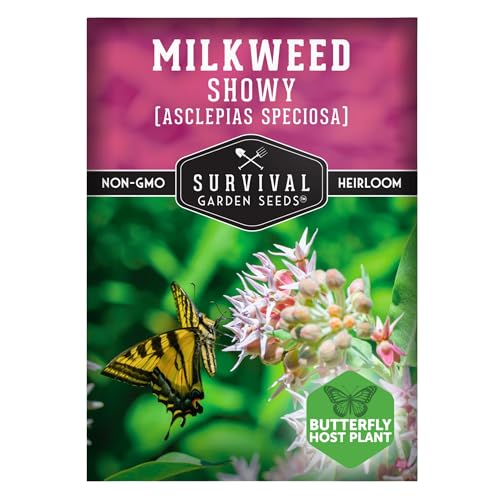
Showy Milkweed (Asclepias speciosa)
Native to the western United States, this variety features large, showy, pinkish-white flower clusters that are highly fragrant. It's a robust plant that does well in dry conditions and is a favorite of many native pollinators.
- Sun: Full sun
- Soil: Dry, well-drained
- Height: 2-4 feet
- Zones: 4-9
How to Plant and Care for Milkweed
Growing milkweed is relatively easy, but a few key steps will ensure your plants thrive and support a healthy monarch population. Here's a comprehensive guide:
Planting Milkweed
- When to Plant: Plant milkweed in the spring after the last frost. You can start seeds indoors 6-8 weeks before the last frost, or sow them directly outdoors.
- Where to Plant: Choose a location with full sun (at least 6 hours of direct sunlight) and well-drained soil. Swamp milkweed is an exception and can handle wet conditions.
- Seed Preparation: Milkweed seeds require a period of cold stratification to break dormancy. You can mimic this by placing seeds in a damp paper towel inside a plastic bag in the refrigerator for 4-6 weeks before planting.
- Planting Depth: Sow seeds about 1/4 inch deep. If planting seedlings, dig a hole twice as wide as the root ball and at the same depth.
- Spacing: Space plants or seeds about 18-24 inches apart to allow for their mature spread.
Caring for Milkweed
- Watering: Water regularly during the first growing season to establish a deep root system. Once established, milkweed is very drought-tolerant and requires little supplemental watering.
- Soil & Fertilizer: Milkweed thrives in poor to average soil. Avoid over-fertilizing, which can promote weak, leggy growth and reduce flower production.
- Pruning: Deadheading (removing spent flowers) can encourage a second flush of blooms. In late fall or early spring, cut back the dead stems to ground level to promote new growth.
- Pest Control: Milkweed is generally pest-free. The most common "pests" are monarch caterpillars themselves, which you should welcome! If aphids appear, wash them off with a strong stream of water or leave them—they rarely harm the plant.
Milkweed is a fantastic choice for a native plant garden. If you're also interested in other low-maintenance native options, consider Black-Eyed Susan (Rudbeckia hirta) for a burst of yellow color in your landscape.
The Monarch-Milkweed Connection
The relationship between monarch butterflies and milkweed is one of the most fascinating examples of co-evolution in the natural world. Monarchs rely on milkweed for their entire life cycle:
- Egg Laying: Female monarchs lay their eggs on the underside of milkweed leaves. They can sense the presence of cardenolides, ensuring their offspring will be protected.
- Caterpillar Feeding: The caterpillars consume only milkweed leaves. This diet not only provides them with the energy to grow but also makes them toxic to birds and other predators.
- Chrysalis: The caterpillar will form its chrysalis on a sturdy milkweed stem or nearby structure. The transformation from caterpillar to butterfly is a remarkable sight.
- Nectar Source: Adult monarchs, along with many other butterflies, rely on milkweed flowers for nectar, which provides them with energy for mating and migration.
🌱 Did You Know? The population of monarch butterflies has declined dramatically in recent decades due to habitat loss. By planting milkweed in your garden, you are creating essential breeding grounds for this iconic species and helping to restore their population.
Common Milkweed Issues and Solutions
Aphids and Other Pests
Yellowing or curling leaves may indicate an aphid infestation. While unsightly, they rarely harm established plants. You can wash them off or introduce natural predators like ladybugs.
Fungal Diseases
Milkweed can occasionally develop fungal spots or powdery mildew, especially in humid conditions with poor airflow. Ensure good spacing between plants and avoid overhead watering.
Self-Seeding and Aggressive Spread
Some varieties, like Common Milkweed, can spread aggressively via seeds and rhizomes. Deadheading flowers before they form seed pods can prevent unwanted spread. For a more manageable option, choose Butterfly Weed.
Not Flowering
If your milkweed isn't blooming, it may be getting too much nitrogen (from fertilizer) or not enough sunlight. Ensure it's in a full-sun location and avoid fertilizing.
To create a truly thriving pollinator garden, combine milkweed with other beneficial plants. Our guide on plants that attract bees, butterflies, and hummingbirds offers a comprehensive list of complementary species.
Start Your Pollinator Garden Today
Asclepias milkweed is a powerful choice for any gardener who wants to make a difference. By incorporating this native plant into your landscape, you are providing a vital habitat for monarch butterflies and supporting a healthier ecosystem. Whether you choose the vibrant orange Butterfly Weed, the moisture-loving Swamp Milkweed, or another variety, you'll be rewarded with beautiful blooms, a bustling pollinator population, and the profound satisfaction of helping preserve a magnificent species.
Don't wait—start your pollinator garden journey today. The monarchs are counting on you.
For other low-maintenance, wildlife-friendly plants, explore our article on low-maintenance front yard landscaping with rocks for more garden design inspiration.