What Type of Soil is Good for Christmas Cactus
Discover the perfect potting mix, pH balance, and drainage tips to keep your Christmas cactus thriving all year long.
The Christmas cactus (Schlumbergera bridgesii) is a beloved holiday plant known for its vibrant blooms. But to keep it healthy and flowering, choosing the right soil type is essential. Unlike desert cacti, this tropical epiphyte needs a well-draining, slightly acidic potting mix that retains moisture without becoming waterlogged.
In this guide, we’ll explore exactly what type of soil is good for Christmas cactus, including the ideal pH, texture, and how to make your own mix. We’ll also cover common mistakes and how to avoid them.
Why Soil Choice Matters for Christmas Cactus
Christmas cactus roots are shallow and delicate. They are prone to rot if left in heavy, compacted soil. The right soil ensures:
- Proper aeration – oxygen reaches the roots.
- Balanced moisture – retains water but drains excess.
- Nutrient availability – slightly acidic pH (5.5–6.5) makes nutrients accessible.
- Root health – prevents fungal diseases and root rot.
Ideal Soil Composition for Christmas Cactus
The best potting mix for Christmas cactus is a blend of three components:
- 60% organic matter – peat moss, coconut coir, or compost for moisture retention.
- 20% coarse sand or perlite – to improve drainage and aeration.
- 20% bark or orchid mix – adds structure and mimics the plant’s natural epiphytic environment.
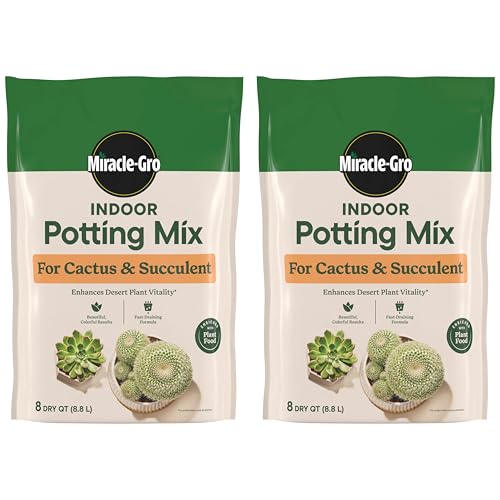
You can buy a commercial cactus or succulent potting mix and amend it with extra perlite and orchid bark for better results.
pH Level
Christmas cactus prefers slightly acidic soil with a pH between 5.5 and 6.5. Most commercial mixes fall within this range, but it’s wise to test if you’re making your own.
Drainage is Key
Good drainage is non-negotiable. Ensure your pot has drainage holes, and avoid using garden soil or heavy topsoil, which compacts and suffocates roots.
DIY Potting Mix Recipe for Christmas Cactus
Making your own mix is cost-effective and lets you control every ingredient. Try this simple recipe:
- 2 parts peat moss or coco coir (moisture retention).
- 1 part perlite or pumice (drainage).
- 1 part fine orchid bark or pine bark fines (aeration).
- Mix thoroughly, then moisten slightly before potting.
You can also add a handful of worm castings or compost for a gentle nutrient boost.
How to Pot and Repot Your Christmas Cactus
Using the right soil is only half the battle. Follow these steps for optimal potting:
- Choose a pot with drainage holes, 1–2 inches larger than the root ball.
- Place a layer of coarse gravel or broken pottery at the bottom to improve drainage.
- Fill partially with your prepared soil mix, place the plant, and backfill gently.
- Water lightly after potting, then wait a week before the next watering.
Repot every 2–3 years in spring, after blooming, to refresh the soil and give roots room to grow.
Learn more about proper watering techniques in our guide on how often to water Christmas cactus.
Common Soil Mistakes to Avoid
- Using garden soil – too heavy, compacts easily, and may contain pests.
- Overlooking drainage – no drainage holes leads to root rot.
- pH imbalance – alkaline soil blocks nutrient uptake.
- Using only peat moss – holds too much water, suffocates roots.
- Not refreshing soil – old soil loses nutrients and structure.
For a deeper dive, read our comprehensive soil guide for Christmas cactus.
Nutrients and Fertilizer
While soil provides the foundation, Christmas cactus benefits from regular feeding during the growing season (spring to early fall). Use a balanced, water-soluble fertilizer (e.g., 20-20-20) diluted to half-strength, applied every 2–4 weeks.
Avoid high-nitrogen fertilizers, as they encourage leaf growth at the expense of blooms. Switch to a bloom-booster formula (higher phosphorus) in late summer to encourage flowering.
For more details, check our comparison of potting soils for Christmas cactus.
Soil Requirements at a Glance
| Factor | Requirement |
|---|---|
| pH Level | 5.5 – 6.5 (slightly acidic) |
| Texture | Light, porous, well-draining |
| Organic Matter | Peat moss, coco coir, or compost |
| Drainage Material | Perlite, pumice, coarse sand |
| Structure | Orchid bark, pine bark fines |
| Repotting Frequency | Every 2–3 years in spring |
Find more tips on placement and care in our article: where to place your Christmas cactus.
Conclusion: Choose the Right Soil for a Thriving Christmas Cactus
The best soil for Christmas cactus is a well-draining, slightly acidic mix rich in organic matter. Whether you buy a commercial blend or make your own, prioritize aeration and moisture balance. With the right soil, your Christmas cactus will reward you with lush growth and spectacular blooms year after year.
Ready to give your Christmas cactus the best start? Check out our recommended products below to find the perfect potting mix and accessories.