Can You Use Regular Potting Soil for Christmas Cactus?
Discover the truth about Christmas cactus soil requirements, why regular potting soil can be harmful, and how to create the perfect growing medium for a thriving holiday cactus.
Christmas cactus (Schlumbergera) is an epiphytic plant that requires a well-draining, lightweight soil mix. Regular potting soil retains too much moisture, leading to root rot. The ideal soil should contain perlite, coarse sand, or orchid bark to provide excellent drainage and aeration.
Understanding Your Christmas Cactus Soil Needs
Christmas cactus is a beloved holiday plant known for its vibrant blooms that appear during the winter months. Unlike typical desert cacti, the Christmas cactus is native to the tropical rainforests of Brazil, where it grows as an epiphyte on trees. This means it naturally attaches itself to tree branches, drawing moisture and nutrients from the air, rain, and debris that collects around its roots.
This unique growing habit makes the Christmas cactus distinct from other succulents. While it stores some water in its segmented leaves, it is not adapted to survive in dry, sandy conditions. Instead, it thrives in a light, porous growing medium that mimics the organic matter found on the forest floor. This is where is the best place for a christmas cactus, typically in bright, indirect light with high humidity.
Understanding its natural habitat is the key to providing the proper care. Regular potting soil is designed for terrestrial plants that grow in the ground, where moisture can drain away through deeper soil layers. For a potted Christmas cactus, however, regular potting soil creates a dense, waterlogged environment that can quickly become fatal.
Below, we'll explore in detail why regular potting soil is problematic, what makes an ideal soil mix, and how to create the perfect growing medium for your Christmas cactus.
Why Regular Potting Soil Is Harmful to Christmas Cactus
Using regular potting soil for your Christmas cactus is one of the most common mistakes made by plant owners. While it might seem convenient, this choice can lead to serious health issues for your plant. Here's why:
- Excessive Moisture Retention: Regular potting soil contains fine particles and organic matter that absorb and hold water. For a Christmas cactus, this means the roots are sitting in consistently damp soil, creating an environment where harmful fungi and bacteria thrive.
- Poor Drainage: The dense texture of regular potting soil does not allow water to flow through quickly. This leads to water pooling at the bottom of the pot, causing root suffocation and rot.
- Lack of Aeration: Christmas cactus roots need air circulation to function properly. Regular potting soil compacts over time, reducing oxygen availability to the root system.
- Root Rot Development: The combination of excessive moisture and poor aeration is a recipe for root rot. Once root rot sets in, the plant's ability to absorb water and nutrients is compromised, leading to wilting, leaf drop, and eventual death.
⚠️ Warning: If you have already planted your Christmas cactus in regular potting soil, repot it immediately into a suitable mix. Look for signs of distress such as yellowing or mushy stems, wilting, or a foul odor from the soil—these indicate root rot is already developing.
Comparing Soil Types
| Soil Characteristic | Regular Potting Soil | Christmas Cactus Ideal Soil |
|---|---|---|
| Drainage | ✗ Poor (holds water) | ✓ Excellent (fast-draining) |
| Aeration | ✗ Low (compacts easily) | ✓ High (light and porous) |
| Moisture Retention | ✗ High (stays wet) | ✓ Low (dries moderately) |
| pH Level | ✗ Often too acidic or alkaline | ✓ Slightly acidic (5.5-6.5) |
| Organic Matter | High (excessive for epiphyte) | Moderate (balanced for epiphyte) |
| Suitable for Christmas Cactus? | ✗ No - risk of root rot | ✓ Yes - promotes healthy growth |
Understanding these differences helps explain why choosing the right soil is critical for your Christmas cactus's health. The ideal soil should allow water to pass through quickly while still holding enough moisture for the plant to absorb between waterings.
What Is the Best Soil for a Christmas Cactus?
To create the perfect growing environment, you need a soil mix that combines excellent drainage with adequate moisture retention. The ideal soil for a Christmas cactus should be light, porous, and rich in organic matter. Here's what you need to know about the best soil composition.
According to experts, the best soil for a Christmas cactus should be a well-aerated mix that mimics the conditions of its natural habitat. In the wild, these plants grow in the crevices of tree branches where organic matter accumulates, providing a loose, airy rooting medium. This is why what is the best soil for a christmas cactus is a common question among plant enthusiasts.
The Ideal Soil Mix Ratio
Recommended Christmas Cactus Soil Recipe
2 Parts Potting Soil : 1 Part Perlite : 1 Part Orchid Bark or Coarse Sand
This combination provides the perfect balance of:
- Perlite – improves drainage and aeration
- Orchid Bark – adds organic texture and prevents compaction
- Potting Soil – provides essential nutrients and moisture retention
- Coarse Sand (alternative) – aids in drainage and adds weight for stability
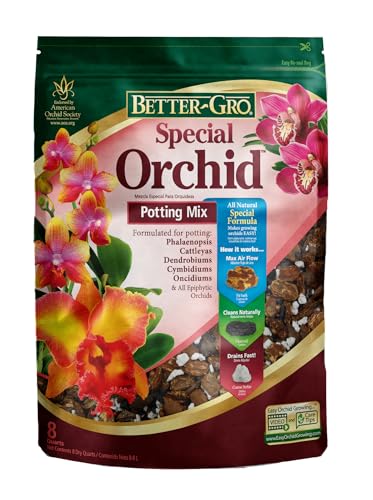
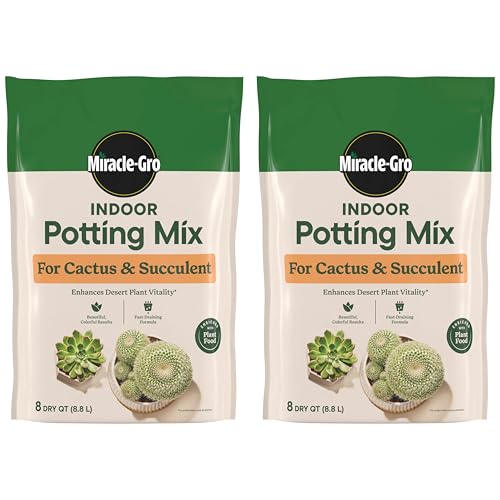
You can also purchase a pre-made mix specifically designed for succulents or cacti, but ensure it is formulated for epiphytic cacti rather than desert varieties. Many commercial mixes are too sandy and lack the organic matter that Christmas cactus needs.
💡 Pro Tip
If you're using a commercial succulent mix, add an extra handful of orchid bark or perlite to improve drainage. The goal is a soil that feels light and chunky, not dense or clumpy. Proper how do i take care of a aloe vera plant is different from Christmas cactus, but both require well-draining soil to prevent rot.
pH Level Considerations
Christmas cactus thrives in soil with a slightly acidic pH between 5.5 and 6.5. Regular potting soil often falls within this range, but it's important to check. If the soil is too alkaline, the plant may struggle to absorb nutrients, leading to deficiencies and poor growth. You can adjust the pH with the addition of peat moss (to lower pH) or garden lime (to raise pH).
Can You Amend Regular Potting Soil for Christmas Cactus?
If you already have regular potting soil on hand, you don't necessarily need to discard it. You can amend it to make it suitable for your Christmas cactus. However, it's important to note that amended soil is still not as ideal as a fresh custom mix, but it will be significantly better than using the regular soil on its own.
How to Amend Regular Potting Soil
- Add Perlite: Mix in equal parts perlite to the potting soil. Perlite is lightweight and helps create air pockets, improving drainage and aeration.
- Add Coarse Sand: Incorporate coarse builders' sand or horticultural sand to the mix. Avoid fine play sand, as it can actually compact and worsen drainage.
- Add Orchid Bark: Mix in orchid bark or pine bark fines to add texture and prevent the soil from becoming too dense.
- Test Drainage: Water the amended mix and observe how quickly water flows through. If water pools on top or drains slowly, add more perlite or sand.
⚠️ Important: Even with amendments, regular potting soil may still retain more moisture than ideal. Consider using a custom mix as the best long-term solution for your Christmas cactus's health.
A suitable amended mix would be approximately 1 part potting soil, 1 part perlite, and 1 part orchid bark. This ratio provides adequate drainage while still retaining enough moisture for the plant to thrive. When you water, how often do i need to water my christmas cactus depends on the soil mix and environmental conditions, but the top inch of soil should be dry before watering again.
How to Pot or Repot a Christmas Cactus
Proper potting technique is just as important as the soil mix itself. Here's a step-by-step guide to potting or repotting your Christmas cactus for optimal health:
- Choose the Right Pot: Select a pot with drainage holes. Terracotta or unglazed clay pots are ideal because they allow excess moisture to evaporate through the walls.
- Prepare the Soil: Mix your chosen soil components in a clean container. Moisten the soil slightly before potting to reduce dust and make it easier to work with.
- Inspect the Roots: Gently remove the plant from its current pot and examine the roots. Trim any dead, mushy, or rotting roots with sterilized scissors.
- Position the Plant: Place the plant in the new pot at the same depth it was previously growing. Do not bury the stem segments.
- Fill Around the Roots: Add your prepared soil mix around the roots, gently pressing to eliminate air pockets. Leave about ½ inch of space below the rim for watering.
- Water Lightly: Give the plant a small amount of water to help settle the soil. Wait a few days before the first full watering to allow any damaged roots to callus over.
✅ Best Practice: Repot your Christmas cactus every 2-3 years in the spring, after it has finished blooming. This refreshes the soil and provides room for growth. The best time is also when when is the best time to plant hosta seeds if you're planning your garden, typically in early spring.
After repotting, place your Christmas cactus in a spot with bright, indirect light. Avoid direct sunlight, which can scorch the leaves. Ideal locations include east-facing windows or slightly away from west-facing windows. where is the best place to put a christmas cactus is in a warm, humid room with consistent temperatures between 65-75°F (18-24°C) during the day.
Common Christmas Cactus Soil Mistakes
Avoid these common pitfalls when caring for your Christmas cactus:
- Using Garden Soil: Garden soil is much too heavy and can contain pests, diseases, and weed seeds. Always use fresh potting mixes designed for containers.
- Overwatering: Even with the right soil, overwatering can cause root rot. Water only when the top 1-2 inches of soil feel dry. This is especially important during the winter months when the plant is dormant after blooming.
- Not Adding Drainage: Failing to include perlite, sand, or bark in your mix can lead to waterlogged soil. Always prioritize drainage for your Christmas cactus.
- Using a Pot Without Drainage Holes: No matter how good your soil is, a pot without drainage holes will trap water and damage the roots. Choose pots with adequate drainage.
- Packing Soil Too Tightly: When potting, avoid compacting the soil too much. Loose, airy soil allows roots to breathe and grow freely.
Signs Your Christmas Cactus Needs Better Soil
If your Christmas cactus is struggling, the soil may be the culprit. Watch for these warning signs:
- Wilting Leaves: Despite regular watering, leaves appear limp or wrinkled. This may indicate root rot or overwatering.
- Yellowing or Browning Leaves: Yellow leaves often signal overwatering or poor drainage, while brown patches can indicate root damage or salt buildup from fertilizer.
- Soft, Mushy Stems: Stem segments that are soft or mushy at the base typically indicate root rot and require immediate repotting.
- Leaves Falling Off: Excessive leaf drop can be caused by waterlogged soil, sudden temperature changes, or nutrient deficiencies.
- Foul Odor from Soil: A musty or rotten smell from the soil is a sign of anaerobic bacteria and root decay.
- Visible Mold or Fungus: White or green mold on the soil surface indicates excessive moisture and poor air circulation.
Ready to give your Christmas cactus the ideal growing environment?
Shop the recommended soil mixes, perlite, and pots below to ensure your plant thrives.
Shop Recommended ProductsIf you notice any of these signs, repot your Christmas cactus into fresh, well-draining soil as soon as possible. Remember that Christmas cactus is quite resilient and can recover quickly once its growing conditions improve. Similar issues can affect other plants, and plants that are good for the air in your home like peace lilies and snake plants also need proper soil to thrive.
Final Verdict: Can You Use Regular Potting Soil for Christmas Cactus?
The short answer is no. Regular potting soil is not recommended for Christmas cactus because it retains too much moisture, leading to root rot and other health issues. However, with proper amendments—such as adding perlite, coarse sand, and orchid bark—you can make regular potting soil work in a pinch.
For the best results, create a custom soil mix that provides excellent drainage, good aeration, and a slightly acidic pH. A ratio of 2 parts potting soil, 1 part perlite, and 1 part orchid bark is a reliable formula that mimics the plant's natural epiphytic growing conditions.
Remember that while soil is crucial, overall care also includes proper watering, lighting, temperature, and humidity. By giving your Christmas cactus the right soil and environment, you'll enjoy its beautiful winter blooms for many years to come.
For more information on caring for your holiday cactus, check out our guides on how to take care of a thanksgiving cactus plant and what type of soil is best for christmas cactus.