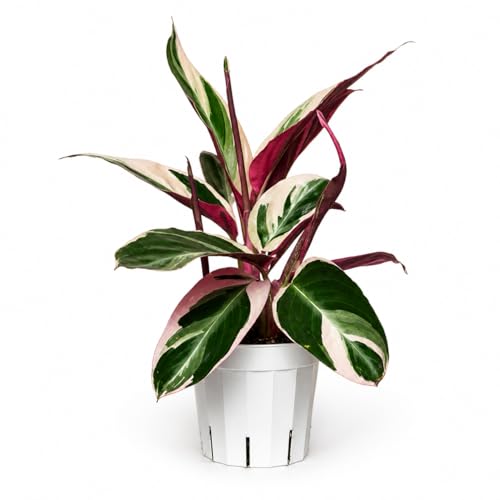
Indoor Air Purifying Plants That Don't Need Sunlight
Transform dark corners into cleaner air. Discover low-light houseplants that filter toxins, thrive without direct sun, and bring life to every room of your home.
Why low-light air purifiers matter: Most homes and offices have rooms that receive little to no natural sunlight—yet indoor air can be two to five times more polluted than outdoor air. The good news? A select group of resilient plants can purify your indoor environment while thriving in shade. This guide covers the science, the best species, and practical care tips so you can breathe easier without rearranging your furniture.
How Plants Purify Indoor Air (Even in Low Light)
Indoor air often contains volatile organic compounds (VOCs) such as formaldehyde from furniture, benzene from plastics, and xylene from paints. NASA's Clean Air Study revealed that certain plants absorb these toxins through their leaves and roots, converting them into harmless byproducts. While light is essential for photosynthesis, many shade-tolerant species have adapted to low-light environments by slowing their metabolism—and they still perform air purification, just at a gentler pace.
The key is choosing plants naturally adapted to forest understories, where sunlight is scarce. These species not only survive but can thrive in your local indoor conditions with minimal maintenance. If you're new to houseplants, understanding which plants tolerate shade is the perfect first step.
Top 8 Air-Purifying Plants for Low-Light Spaces
We've ranked these species by ease of care, purification power, and tolerance to shade. Each entry includes a universal quality tier so you can compare their relative positioning in the houseplant market without worrying about fluctuating pricing.
1. Snake Plant (Sansevieria trifasciata)
The undisputed champion of low-light air purification. Snake Plants are nearly indestructible and continue filtering toxins even in windowless rooms with only fluorescent lighting. They release oxygen at night, making them ideal for bedrooms.
- Light: Tolerates complete shade; prefers indirect light
- Water: Every 2–3 weeks; drought-tolerant
- Purifies: Formaldehyde, benzene, xylene, toluene
- Pet safety: Toxic if ingested—keep away from pets
2. Peace Lily (Spathiphyllum)
A graceful plant with glossy leaves and occasional white blooms. Peace Lilies are among the most effective formaldehyde filters and communicate their needs clearly—drooping slightly when thirsty, then perking right back up.
- Light: Low to medium indirect light; no direct sun
- Water: Weekly; prefers consistently moist soil
- Purifies: Formaldehyde, benzene, trichloroethylene, ammonia
- Pet safety: Toxic to cats and dogs
3. Pothos (Epipremnum aureum)
The trailing vine that forgives every mistake. Pothos grows in almost any light condition, purifies common VOCs, and propagates effortlessly in water. Its cascading stems make it perfect for shelves and hanging baskets.
- Light: Low to bright indirect; avoid direct sun
- Water: Every 1–2 weeks when soil is dry
- Purifies: Formaldehyde, benzene, xylene, carbon monoxide
- Pet safety: Toxic if ingested
4. ZZ Plant (Zamioculcas zamiifolia)
With waxy, deep-green leaflets, the ZZ Plant is a statement piece that practically cares for itself. It stores water in its rhizomes, allowing it to go weeks without watering and still purify the air in low-light offices.
- Light: Low to medium indirect; tolerates fluorescent-only rooms
- Water: Every 2–3 weeks; let soil dry completely
- Purifies: Benzene, toluene, xylene, formaldehyde
- Pet safety: Toxic if ingested
5. Spider Plant (Chlorophytum comosum)
Fast-growing and forgiving, Spider Plants produce "pups" that hang from the mother plant—ready to be repotted into new air purifiers. They're especially effective at removing carbon monoxide and formaldehyde.
- Light: Indirect light; tolerates shade
- Water: Weekly; prefers slightly moist soil
- Purifies: Carbon monoxide, formaldehyde, xylene
- Pet safety: Non-toxic—safe for cats and dogs
6. Philodendron (Heartleaf variety)
Heartleaf Philodendrons bring a tropical feel to shaded rooms. Their large leaves are efficient toxin absorbers, and they adapt well to artificial lighting. A classic choice for houseplants that do not need a lot of light.
- Light: Low to medium indirect
- Water: Every 1–2 weeks; allow topsoil to dry
- Purifies: Formaldehyde, benzene, trichloroethylene
- Pet safety: Toxic if ingested
7. Dracaena (Corn Plant)
With upright canes and arching leaves, Dracaena adds architectural interest to dim corners. It's particularly effective at removing benzene and trichloroethylene from indoor air.
- Light: Low to medium indirect; avoid direct afternoon sun
- Water: Every 2 weeks; prefers slightly dry soil
- Purifies: Benzene, formaldehyde, trichloroethylene
- Pet safety: Toxic to cats and dogs
8. Chinese Evergreen (Aglaonema)
A colorful foliage plant that tolerates low light better than most variegated species. Chinese Evergreens are slow growers that reward patience with long-lasting air purification and striking leaf patterns.
- Light: Low to medium indirect
- Water: Every 1–2 weeks; avoid waterlogged soil
- Purifies: Benzene, formaldehyde, carbon monoxide
- Pet safety: Toxic if ingested
Quick Comparison: Low-Light Air Purifiers at a Glance
Use this table to compare light tolerance, watering needs, and purification targets before selecting the best match for your space.
| Plant | Light Tolerance | Watering Frequency | Primary Toxins Filtered | Pet Safety |
|---|---|---|---|---|
| Snake Plant | Excellent (shade to indirect) | Every 2–3 weeks | Formaldehyde, benzene, xylene | Toxic |
| Peace Lily | Good (low to medium indirect) | Weekly | Formaldehyde, benzene, ammonia | Toxic |
| Pothos | Excellent (low to bright indirect) | Every 1–2 weeks | Formaldehyde, benzene, CO | Toxic |
| ZZ Plant | Excellent (low to medium indirect) | Every 2–3 weeks | Benzene, toluene, xylene | Toxic |
| Spider Plant | Good (indirect to shade) | Weekly | Carbon monoxide, formaldehyde | Non-toxic |
| Philodendron | Good (low to medium indirect) | Every 1–2 weeks | Formaldehyde, benzene | Toxic |
| Dracaena | Good (low to medium indirect) | Every 2 weeks | Benzene, trichloroethylene | Toxic |
| Chinese Evergreen | Good (low to medium indirect) | Every 1–2 weeks | Benzene, formaldehyde, CO | Toxic |
Care Tips for Shade-Loving Air Purifiers
Low-light plants have slower metabolisms, which means their care routine differs from sun-loving species. Follow these guidelines to keep them healthy and purifying:
- Water sparingly: Overwatering is the #1 killer of shade plants. Always check that the top inch of soil is dry before watering.
- Use well-draining soil: A mix with perlite or orchid bark prevents root rot in slow-drying environments.
- Rotate weekly: Turn pots a quarter-turn each week so all sides receive equal light and grow evenly.
- Clean leaves monthly: Dust blocks light absorption and reduces purification efficiency. Wipe leaves with a damp cloth.
- Avoid cold drafts: Low-light plants are often sensitive to temperature swings near windows and doors.
If you're expanding your collection, consider big indoor plants that don't need much light for floor-level impact, or explore house plants that don't need a lot of light for small-space solutions.
Common Mistakes to Avoid
Even resilient plants suffer when well-meaning owners overcare for them. Watch out for these pitfalls:
❌ Assuming "low light" means "no light"
Complete darkness will eventually kill any plant. "Low light" means indirect or filtered light—such as a north-facing window or a room lit by fluorescent bulbs for several hours daily.
❌ Overwatering in winter
Plants grow slowly in low light and cool temperatures. Reduce watering frequency by half during winter months to prevent root rot.
❌ Placing plants near heating vents
Forced-air heating dries out leaves and soil rapidly. Keep plants at least three feet away from vents and radiators.
Frequently Asked Questions
What are the best indoor air purifying plants that don't need sunlight?
The best low-light air purifiers include Snake Plants, Peace Lilies, Pothos, ZZ Plants, Spider Plants, and Philodendrons. These plants remove common toxins like formaldehyde, benzene, and xylene while thriving in indirect or low light conditions.
Can air purifying plants survive in a room with no windows?
While no plant can survive in complete darkness forever, Snake Plants and ZZ Plants are exceptionally tolerant. They can survive in rooms with only artificial fluorescent or LED lighting, making them ideal for offices and windowless spaces.
How do I know if my low-light plant is getting too much sun?
Signs of too much sun include bleached or scorched leaves, crispy brown edges, and faded leaf color. Low-light plants should be kept away from south-facing windows and direct afternoon sun.
Do air purifying plants really work?
Yes, but with realistic expectations. Studies show plants absorb VOCs through leaves and roots, though the effect is modest in typical homes. For best results, combine several plants with good ventilation and air filtration systems.
Ready to Breathe Cleaner Air?
Start with one or two low-light air purifiers and expand as you gain confidence. Your dark corners can become the healthiest spots in your home.
Explore More Low-Light Guides