Why Low-Light Plants Are Perfect for Modern Homes
Not every room in a home gets bright sunlight. North-facing windows, basement apartments, and interior offices often receive only indirect or artificial light. Fortunately, many indoor plants evolved on the forest floor, where they adapted to survive under a dense canopy of trees. These plants are naturally shade-tolerant and make excellent companions for low-light spaces.
Low-light indoor plants grow more slowly than sun-loving varieties, which means they require less watering, less fertilizing, and less maintenance overall. This makes them ideal for busy homeowners, first-time plant owners, and anyone who wants greenery without a demanding care routine. If you are new to plant care, start with our indoor plant care guide to build a solid foundation.
Understanding your plant's light needs is the first step toward success. Some plants tolerate deep shade, while others need bright indirect light. Before buying, assess the light level in your room by observing how much natural light reaches the spot where you plan to place the plant. A simple rule: if you can comfortably read a book without turning on a lamp during the day, most low-light plants will do fine.
Top Indoor Plants That Don't Need a Lot of Light
Below are the most reliable low-light indoor plants, ranked by their tolerance for shade and ease of care. Each entry includes light requirements, watering needs, and a quality tier descriptor so you can match the plant to your experience level.
Snake Plant (Sansevieria)
The snake plant is arguably the most forgiving indoor plant that does not need a lot of light. It tolerates deep shade, irregular watering, and dry air. Its upright, architectural leaves look striking in modern interiors.
Light: Low to bright indirect
Water: Every 2–3 weeks
Ideal for: Beginners, offices, bedrooms
ZZ Plant (Zamioculcas zamiifolia)
The ZZ plant stores water in its thick rhizomes, making it nearly drought-proof. It thrives in low light and even tolerates fluorescent office lighting. Its glossy, dark green leaves add a polished look to any room.
Light: Low to medium indirect
Water: Every 3–4 weeks
Ideal for: Windowless offices, forgetful waterers
Pothos (Epipremnum aureum)
Pothos is a trailing vine that adapts to almost any light condition. It grows well in low light, though variegated varieties may lose some color. It is easy to propagate and looks beautiful on shelves or hanging baskets.
Light: Low to bright indirect
Water: Every 1–2 weeks
Ideal for: Shelves, hanging baskets, beginners
Peace Lily (Spathiphyllum)
Peace lilies tolerate low light and produce elegant white blooms. They are slightly more demanding than snake plants because they droop dramatically when thirsty, signaling exactly when to water.
Light: Low to medium indirect
Water: Weekly, when soil feels dry
Ideal for: Bedrooms, bathrooms, offices
Philodendron
Philodendrons are versatile, low-light-tolerant plants with heart-shaped leaves. They grow well in indirect light and can be trained to climb or trail. Most species are easy to care for and resistant to pests.
Light: Low to medium indirect
Water: Every 1–2 weeks
Ideal for: Hanging baskets, trellises
Cast Iron Plant (Aspidistra elatior)
True to its name, the cast iron plant survives neglect, low light, and temperature fluctuations. It is one of the most shade-tolerant houseplants available and works well in corners where other plants fail.
Light: Deep shade to medium indirect
Water: Every 2–3 weeks
Ideal for: Dark corners, hallways
Dracaena
Dracaena varieties such as Dracaena marginata and Dracaena fragrans tolerate low light and add height to a room. They are sensitive to overwatering and fluoride in tap water, so use filtered water when possible.
Light: Low to medium indirect
Water: Every 2–3 weeks
Ideal for: Floor planters, living rooms
Parlor Palm (Chamaedorea elegans)
The parlor palm is a compact, elegant palm that tolerates low light and adds a tropical feel to any space. It prefers consistent moisture and benefits from occasional misting in dry indoor air.
Light: Low to medium indirect
Water: Weekly, when topsoil is dry
Ideal for: Desks, side tables, bathrooms
How to Choose the Right Low-Light Plant
Choosing the right plant depends on your room's light level, your watering habits, and how much space you have. Use the comparison table below to match plants to your situation.
| Plant | Light Tolerance | Water Frequency | Care Level | Best For |
|---|---|---|---|---|
| Snake Plant | Deep shade to bright | Every 2–3 weeks | Very easy | Beginners, offices |
| ZZ Plant | Low to medium | Every 3–4 weeks | Very easy | Windowless rooms |
| Pothos | Low to bright | Every 1–2 weeks | Easy | Shelves, hanging |
| Peace Lily | Low to medium | Weekly | Moderate | Bedrooms, bathrooms |
| Philodendron | Low to medium | Every 1–2 weeks | Easy | Trailing displays |
| Cast Iron Plant | Deep shade | Every 2–3 weeks | Very easy | Dark corners |
| Dracaena | Low to medium | Every 2–3 weeks | Moderate | Floor planters |
| Parlor Palm | Low to medium | Weekly | Moderate | Desks, side tables |
Care Tips for Low-Light Indoor Plants
Low-light plants are low-maintenance, but they still have specific needs. Follow these care guidelines to keep them healthy.
1. Water Less Often
Low light slows down photosynthesis, which means plants use less water. Overwatering is the most common cause of death for shade-tolerant plants. Always check the soil moisture before watering: insert your finger about an inch into the soil. If it feels moist, wait. If it feels dry, water thoroughly until water drains from the bottom.
Use containers with drainage holes to prevent waterlogged roots. If your pot lacks drainage, consider repotting into a container with proper drainage, or use a moisture meter to monitor soil conditions.
2. Avoid Direct Sunlight
Low-light plants are adapted to shade and can scorch when exposed to direct sunlight. Keep them away from south- and west-facing windows that receive intense afternoon sun. North- and east-facing windows are ideal, as they provide soft, indirect light.
3. Clean the Leaves Regularly
Dust accumulates on leaves and reduces their ability to absorb light. Wipe leaves with a damp cloth every few weeks to keep them clean and healthy. This is especially important for large-leaf plants like philodendrons and peace lilies.
4. Fertilize Sparingly
Low-light plants grow slowly and need less fertilizer than sun-loving plants. Feed them with a diluted balanced fertilizer once in spring and once in summer. Avoid fertilizing in fall and winter when growth naturally slows.
5. Maintain Moderate Humidity
Most houseplants prefer humidity levels between 40% and 60%. In dry indoor environments, consider using a pebble tray, humidifier, or grouping plants together to increase humidity. Misting is helpful but provides only temporary relief.
6. Watch for Pests
Low-light plants are less prone to pests, but spider mites, fungus gnats, and mealybugs can still appear. Inspect plants regularly and isolate any plant that shows signs of infestation. Learn more about natural pest control in our indoor plant care resource.
Common Mistakes to Avoid
- Overwatering: The number one killer of low-light plants. Let the soil dry between waterings.
- Placing plants near heat sources: Radiators, heating vents, and fireplaces dry out the air and damage leaves.
- Using oversized pots: A pot that is too large holds excess soil, which retains moisture and causes root rot. Choose a pot only 1–2 inches wider than the root ball.
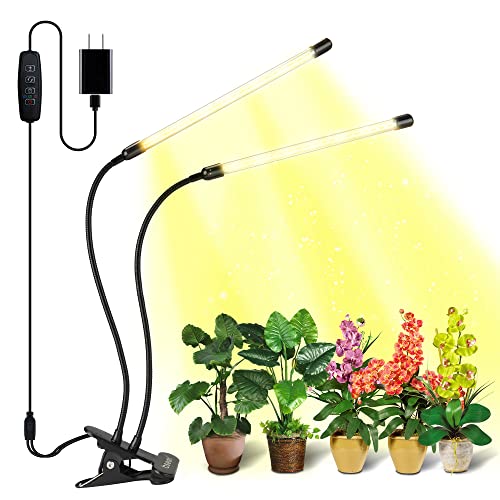
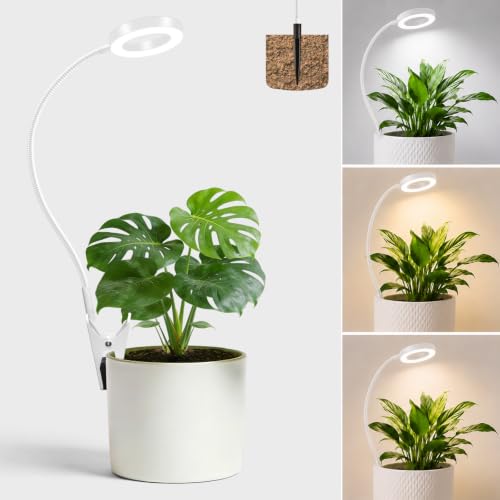
- Ignoring light requirements: Even low-light plants need some light. If your room has no windows, use a full-spectrum LED grow light for 8–12 hours daily.
Frequently Asked Questions
What is the best indoor plant that does not need a lot of light?
Can low-light indoor plants survive in a room with no windows?
How often should I water low-light indoor plants?
Do low-light plants need fertilizer?
Are low-light plants safe for pets?
Ready to Create Your Own Low-Light Plant Collection?
Browse our recommended products below to find the right plants and supplies for your space. From planters with proper drainage to watering tools, we've got you covered.
SHOP RECOMMENDED PRODUCTS