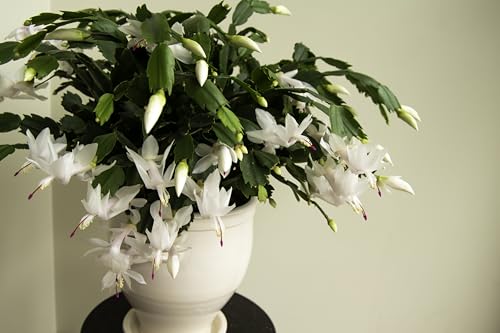
How to Take Care of a Christmas Cactus Indoors
Master the art of growing a lush, blooming Christmas cactus (Schlumbergera). Expert tips on watering, lighting, temperature, and more.
Explore Indoor GardeningLet Gardening be your guide. The Christmas cactus (Schlumbergera) is a beloved succulent that rewards careful attention with spectacular winter blooms. Unlike desert cacti, this tropical epiphyte thrives in humid conditions with consistent care. This comprehensive guide covers everything you need to know — from watering and lighting to troubleshooting common issues — so your holiday cactus flourishes year after year.
Light & Temperature Requirements
☀️ Ideal Lighting
Christmas cacti prefer bright, indirect light. An east- or north-facing window is perfect. Avoid direct afternoon sun, which can scorch the leaves. If your plant's stems turn reddish-purple, it's getting too much light.
💡 Plants that don't need a lot of sun — similar low-light care tips.
🌡️ Temperature & Humidity
Maintain daytime temperatures between 65–75°F (18–24°C) and slightly cooler at night (55–60°F). High humidity (50–60%) is crucial — use a pebble tray or room humidifier. Keep away from drafts, vents, and fireplaces.
Watering & Soil Essentials
💧 Watering Schedule
Water thoroughly when the top 1–2 inches of soil feel dry. During active growth (spring–summer), water more frequently. In fall and winter, reduce watering, allowing the soil to dry slightly more between waterings. Never let the plant sit in water — root rot is the #1 killer.
- Use room-temperature water.
- Drain excess water after 15 minutes.
- Mist occasionally to boost humidity.
🌱 Best Soil Mix
Use a well-draining potting mix — blend 2 parts all-purpose potting soil, 1 part perlite, and 1 part orchid bark. This mimics the plant's natural epiphytic environment. Ensure the pot has drainage holes. Repot every 2–3 years in spring.
🔗 Drip irrigation systems can also help maintain consistent moisture.
How to Encourage Blooming
🌸 Blooming Triggers
Christmas cacti bloom in response to cooler temperatures and shorter daylight hours (about 12–14 hours of darkness) for 6–8 weeks. Starting in late September:
- Provide 12–14 hours of uninterrupted darkness nightly.
- Keep temperatures around 55–60°F (13–16°C).
- Reduce watering slightly during this period.
🌿 Fertilization
Feed with a balanced, water-soluble fertilizer (like 20-20-20) monthly from spring through summer. In early fall, switch to a bloom-boosting fertilizer (higher phosphorus) to support bud formation. Stop feeding during winter dormancy.
Propagation & Pruning Guide
✂️ Pruning for Health
Prune in late spring (after blooming) to encourage branching. Use clean, sharp scissors to remove up to one-third of the stems. Pinch or cut at the joint between segments. This promotes a fuller, bushier plant and more flowers next season.
🌱 Easy Propagation
Propagate from stem cuttings with 3–5 segments. Let the cut end callous for a few days, then place in moist, well-draining soil. Keep in bright, indirect light and maintain humidity. Roots usually form in 3–6 weeks.
🪴 How to care for a Christmas cactus plant indoors — more propagation tips.
Troubleshooting Common Issues
⚠️ Common Problems
- Bud drop: Caused by temperature fluctuations, overwatering, or drafts.
- Wilting stems: Usually due to under-watering or root rot.
- Pale, limp leaves: Often from overwatering or poor drainage.
- No blooms: Insufficient darkness or temperatures too warm.
✅ Prevention Tips
- Stable environment: Keep away from vents and doors.
- Proper watering: Let the soil dry slightly between waterings.
- Light management: Provide bright, indirect light year-round.
- Regular feeding: Use balanced fertilizer during growth periods.
Seasonal Care Calendar
🌸 Spring & Summer (Growth)
- Water more frequently as growth accelerates.
- Feed monthly with balanced fertilizer.
- Repot if rootbound.
- Move outdoors (shaded area) if temperatures are above 55°F.
🍂 Fall (Bud Formation)
- Provide 12–14 hours of darkness nightly.
- Reduce watering slightly.
- Keep temperatures cool (55–60°F).
- Switch to bloom-boosting fertilizer.
❄️ Winter (Blooming & Rest)
- Maintain consistent moisture.
- Keep away from drafts and heat vents.
- After blooming, give a brief rest period.
- Reduce fertilizing until spring.
Frequently Asked Questions
Why is my Christmas cactus dropping buds?
Bud drop is usually caused by temperature changes, overwatering, or drafts. Keep your plant in a stable location with consistent temperatures (above 55°F) and avoid moving it while buds are forming. Ensure soil isn't too wet.
How often should I water my Christmas cactus?
Water when the top 1–2 inches of soil are dry. In spring and summer, this may be every 1–2 weeks; in fall and winter, reduce to every 2–3 weeks. Always check soil moisture before watering.
Can I put my Christmas cactus outside?
Yes, in summer, place it in a shaded spot (morning sun only) when temperatures are consistently above 55°F (13°C). Bring it indoors before fall frost. This can encourage sturdier growth and more blooms.
🌿 More Gardening Inspiration
Learn more about caring for other popular houseplants: how to care for a potted lavender plant, lavender in a pot, and aloe vera care. For outdoor gardening, explore raised bed soil tips and landscaping ideas. For your lawn, check out dandelion control and crabgrass removal.
Let Gardening help you grow. With the right care, your Christmas cactus will reward you with vibrant blooms year after year. Patience and consistency are key — enjoy the journey!