The Best Way to Fill Up a Raised Garden Bed
Stop guessing and start growing! Learn the proven layering method, the ideal soil mix, and expert tips to fill your raised bed for maximum plant health and productivity.
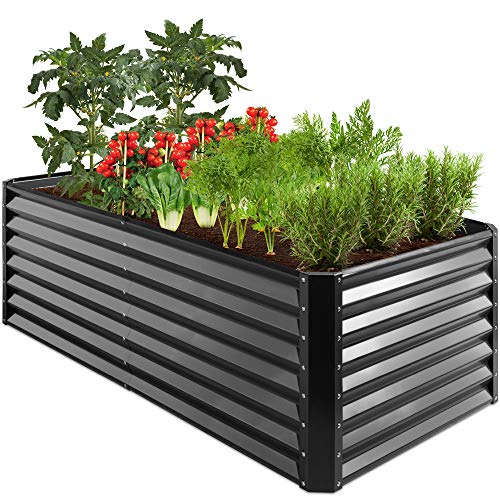
Filling a raised garden bed isn't just about dumping in dirt. The best way to fill up a raised garden bed creates a nutrient-rich, well-draining environment that encourages deep root growth and abundant harvests. Whether you're growing vegetables, flowers, or herbs, the right filling strategy sets the foundation for success.
1. The Perfect Soil Mix for Raised Beds
The gold standard for raised bed soil is the Mel's Mix (from Square Foot Gardening), but you can adapt it based on your budget and availability. A balanced blend typically consists of:
- 40% Compost: Provides essential nutrients and beneficial microbes. Use a variety of compost (e.g., mushroom, manure, and worm castings) for diversity.
- 40% Peat Moss or Coco Coir: Retains moisture and adds aeration. Coco coir is more sustainable and pH-neutral.
- 20% Coarse Sand or Perlite: Ensures excellent drainage and prevents compaction.
💡 Pro Tip: If you're on a budget, you can mix native topsoil (sifted to remove rocks and debris) with compost and aeration materials. Just avoid heavy clay soil, which drains poorly.
2. The Layering Technique (Hügelkultur)
One of the most effective and cost-efficient ways to fill a deep raised bed is the Hügelkultur method. This technique uses decomposing wood and organic matter at the bottom to retain moisture and slowly release nutrients over time.
Bottom Layer: Logs & Branches
Place untreated wood logs, branches, and twigs at the base of the bed. This acts as a sponge, holding water during dry spells.
Second Layer: Leaves & Grass Clippings
Add a thick layer of brown (dry leaves) and green (grass clippings) materials. This carbon-nitrogen mix kickstarts decomposition.
Third Layer: Compost & Aged Manure
Spread a generous layer of well-rotted compost and manure to introduce nutrients and beneficial organisms.
Top Layer: Garden Soil Mix
Finish with 8–12 inches of the ideal soil mix (compost, peat/coir, perlite). This is where your plants' roots will initially grow.
3. Step-by-Step Filling Process
Follow these steps for a perfect fill every time:
- Clear the area: Remove weeds and grass from the bottom of the bed (if no bottom liner).
- Add a weed barrier (optional): Landscape fabric or cardboard can suppress weeds but still allow drainage.
- Start with coarse materials: Follow the Hügelkultur layering if your bed is over 12 inches deep.
- Water each layer: Lightly moisten as you build to prevent air pockets.
- Fill to the top: The soil will settle, so leave 1-2 inches of space at the rim.
- Water thoroughly: After filling, water deeply to settle the mix and check drainage.
4. Budget-Friendly Filling Options
If you don't have access to logs or compost, here are alternative ways to fill your raised bed without breaking the bank:
- Fill with straw bales: Place straw bales at the bottom and top with soil. The straw breaks down over time.
- Use bulk soil from a local landscape supplier: Often cheaper than bagged soil. Mix it with compost and perlite.
- Add leaf mold: Decomposed leaves are excellent for moisture retention and are often free.
- Include aged wood chips: Great for the bottom layers, but avoid fresh wood chips as they can tie up nitrogen.
5. Mistakes to Avoid When Filling a Raised Bed
- ❌ Using only topsoil: It's too heavy and compacts easily.
- ❌ Forgetting to water layers: Dry pockets create uneven settling.
- ❌ Filling with 100% compost: It's too rich and can burn plants.
- ❌ Not considering bed depth: Beds under 12 inches don't need the Hügelkultur layer.
- ❌ Ignoring pH balance: Test your mix; most vegetables prefer pH 6.0–7.0.
6. Long-Term Soil Maintenance
After you've mastered the best way to fill up a raised garden bed, ongoing care keeps it productive:
- Top dress annually: Add 1–2 inches of compost each spring to replenish nutrients.
- Mulch: A layer of straw, wood chips, or grass clippings retains moisture and prevents weed growth.
- Rotate crops: Prevent nutrient depletion and soil-borne diseases by changing plant families each year.
- Cover crops: Plant winter rye or clover in the off-season to protect and enrich the soil.
Related Guides: Learn more about drip irrigation for raised beds, or explore growing tomatoes and companion planting techniques to maximize your harvest. For DIY enthusiasts, our raised bed plans offer great design ideas.