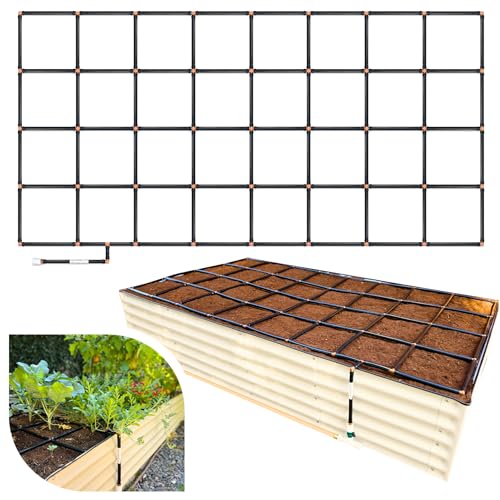
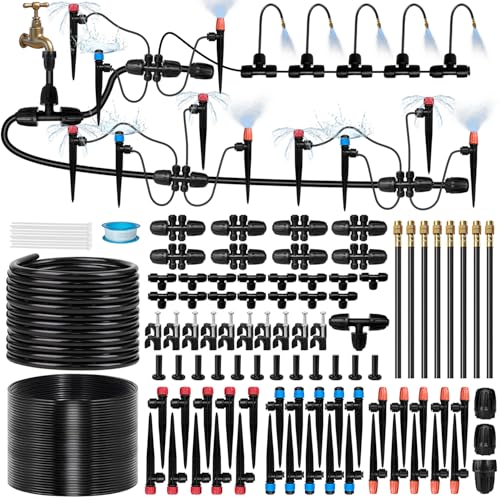
Best Drip Irrigation System for Raised Garden Beds
Raised beds dry out faster and need consistent moisture to produce healthy harvests. A well-matched drip irrigation system delivers water directly to the root zone, cuts waste, and keeps your garden thriving with minimal effort. This guide breaks down what to look for and which system tiers fit different garden sizes.
Compare Top PicksWhy raised beds need dedicated irrigation: Raised beds drain quickly and warm up faster than in-ground soil, which means moisture evaporates more rapidly. Overhead watering wastes a significant portion of that moisture and can encourage foliar disease. A drip system placed at soil level solves both problems by targeting the root zone precisely.
What Makes a Drip System Ideal for Raised Beds
Not every drip kit works well in a raised bed. The ideal system accounts for the confined growing area, the need for even pressure across multiple beds, and the ability to customize emitter spacing as crops rotate. Here are the core features to prioritize.
Pressure Regulation and Filtration
A pressure regulator keeps emitters from popping off or spraying unevenly, while a filter prevents debris from clogging the tiny drip openings. Mid-range and premium kits almost always include both components, and they are essential for long-term reliability.
Emitter Spacing and Flow Rate
Raised beds often hold closely spaced vegetables, so 6-inch or 12-inch emitter spacing works well for greens and root crops. For larger plants like tomatoes, 18-inch spacing with higher-flow emitters provides adequate coverage without oversaturating the soil.
Modular Fittings and Expandability
As your garden grows or your crop layout changes, the system should adapt. Look for kits with barbed tees, elbows, and end caps that let you reconfigure lines without buying a whole new setup.
Timer and Automation Compatibility
An inline timer or a compatible hose faucet timer removes the guesswork from watering. Entry-level kits may skip the timer, while premium systems include programmable timers with rain-delay settings.
System Tiers Compared
Drip irrigation kits fall into three broad tiers. The right choice depends on how many beds you maintain, whether you want automation, and how much customization you need.
| Feature | Entry-Level | Mid-Range | Premium |
|---|---|---|---|
| Best for | 1–2 small beds | 2–4 medium beds | 4+ beds or complex layouts |
| Pressure regulator | Sometimes included | Included | Included with adjustable setting |
| Filter | Basic or none | Included | Included, easy-clean design |
| Emitter spacing options | Fixed | Limited selection | Multiple spacings and flow rates |
| Timer | Not included | Optional add-on | Programmable timer included |
| Expandability | Low | Moderate | High with modular fittings |
How to Set Up Drip Irrigation in a Raised Bed
Installation is straightforward for most gardeners and typically takes under an hour for a single bed. Follow these steps to ensure even watering and a leak-free layout.
- Connect to the water source. Attach the backflow preventer, then the pressure regulator, then the filter to your outdoor faucet or existing irrigation zone. For conversions, see adding drip irrigation to an existing sprinkler system.
- Run the mainline. Route 1/2-inch tubing along the length of the bed, securing it with stakes every few feet.
- Attach emitter tubing. Connect 1/4-inch drip line or individual emitters at the spacing your crops require. Use barbed tees for branching.
- Flush the lines. Before closing the ends, run water through the system for a minute to clear debris.
- Cap the ends and test. Close the end caps and check for even flow across all emitters.
If you already have a drip system and want to extend it to a new bed, the process is similar to adding a drip line to an existing irrigation system. For a fully automated approach, consider an automatic drip irrigation system for home gardening.
Water Savings and Efficiency
Drip irrigation is one of the most water-efficient methods available for raised beds. Because water is delivered slowly and directly to the root zone, evaporation and runoff are minimized. Gardeners typically see a 30 to 50 percent reduction in water use compared to overhead watering, and plants benefit from more consistent soil moisture, which reduces stress and bolsters yields.
Pairing a drip system with a timer or a automatic watering system for outdoor potted plants creates a complete, low-maintenance hydration strategy for patios and garden beds alike.
Advantages
- Delivers water directly to roots
- Reduces evaporation and runoff
- Discourages foliar disease
- Works well with timers
- Adaptable to changing crop layouts
Limitations
- Emitters can clog without a filter
- Initial setup requires planning
- Tubing can be damaged by tools
- Not ideal for very sandy soil without tuning