How to Properly Take Care of Aloe Vera Plant
Your complete guide to growing a healthy, thriving Aloe Vera—from watering and light to repotting and propagation.
Aloe Vera is one of the most rewarding houseplants you can grow. Not only is it stunningly beautiful with its spiky, succulent leaves, but it also offers a host of practical uses, from soothing burns to purifying indoor air. However, despite its reputation as an easy-care plant, many gardeners accidentally kill their Aloe Vera through overwatering or improper lighting. In this comprehensive guide, we'll walk you through everything you need to know to keep your Aloe Vera flourishing for years to come.
Aloe Vera Care at a Glance
💧 Watering Your Aloe Vera
Watering is the single most critical factor in Aloe Vera care. These succulents store water in their thick leaves, so they are highly drought-tolerant. Always let the soil dry out completely between waterings. In most homes, this means watering every 2–3 weeks, but it depends on your climate, pot size, and soil.
How to water: Water thoroughly until it drains from the bottom, then discard any excess water from the saucer. Never let the plant sit in standing water, as this leads to root rot.
☀️ Light Requirements
Aloe Vera thrives in bright, indirect sunlight. A south or west-facing window with a sheer curtain is ideal. While they can tolerate some direct morning sun, intense afternoon sun can scorch the leaves, turning them brown or red.
If your Aloe Vera starts to stretch or become leggy, it's a sign it's not receiving enough light. Rotate your plant occasionally to ensure even growth. In low-light conditions, consider supplementing with a grow light.
🌱 Soil & Potting
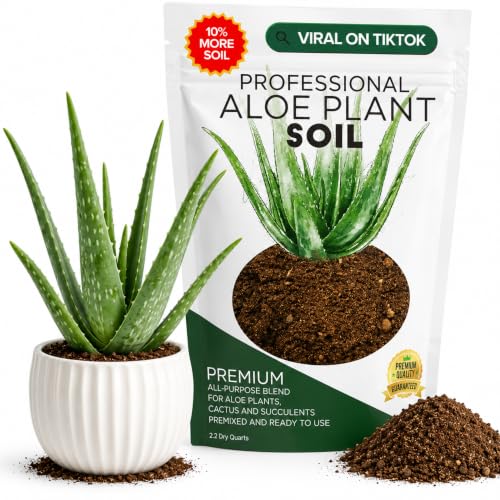
Use a well-draining potting mix specifically designed for cacti and succulents. Standard potting soil retains too much moisture and can cause root rot. For a DIY mix, combine equal parts potting soil, coarse sand, and perlite or pumice to improve aeration and drainage.
Choose a pot with drainage holes. Terracotta pots are a great choice because they wick away excess moisture, helping to prevent overwatering. Repot your Aloe every 2–3 years to refresh the soil and provide room for growth.
Learn more about low-light indoor plants if you're considering other easy-care options.
🌡️ Temperature & Humidity
Aloe Vera prefers average room temperatures between 55–80°F (13–27°C). They can tolerate brief dips down to 40°F (4°C), but frost will kill them. Keep them away from cold drafts, air conditioning vents, and heating units.
These succulents are not fussy about humidity and will adapt to most household levels. However, they do not enjoy being in overly humid environments, which can encourage fungal issues.
Explore more indoor plants that thrive in low light and dry air.
🧪 Fertilizing Schedule
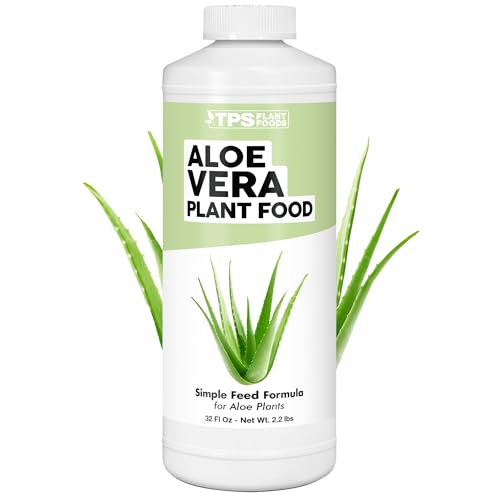
Aloe Vera is a light feeder. Fertilize once in the spring and once in the summer using a balanced, water-soluble fertilizer diluted to half strength. Avoid fertilizing in fall and winter when the plant is dormant.
Over-fertilizing can cause leaf burn and salt buildup in the soil. If you notice browning leaf tips, you may be feeding too much. Always water the plant before applying fertilizer to prevent root burn.
🌿 Propagation & Pups
Aloe Vera produces "pups" or offsets that grow from the base of the mother plant. These are easy to separate and propagate. Gently remove the entire plant from its pot, shake off excess soil, and carefully detach the pups with clean, sharp scissors or a knife.
Allow the cut ends to callus over for a day or two before planting them in fresh succulent mix. Water lightly and treat them as you would a mature Aloe. Propagation is best done in spring or early summer.
⚠️ Common Aloe Vera Problems
- Yellowing leaves: Usually a sign of overwatering. Check the soil and reduce frequency.
- Brown, mushy spots: Often caused by root rot from overwatering or poor drainage.
- Leaves turning red or brown: Could be sunburn from too much direct sunlight or stress from temperature changes.
- Leggy growth: Indicates insufficient light. Move to a brighter location.
- Pest issues: Keep an eye out for mealybugs or scale. Wipe leaves with a damp cloth and use insecticidal soap if needed.
For more detailed advice on managing pests and diseases, check out our guide on natural pest control methods.
✅ Aloe Vera Care Checklist
- Place in bright, indirect light (south or west window preferred)
- Water only when the top 2 inches of soil are completely dry
- Use a well-draining cactus/succulent potting mix
- Repot every 2–3 years or when the plant becomes root-bound
- Fertilize sparingly during the growing season (spring & summer)
- Protect from freezing temperatures (below 40°F / 4°C)
- Keep away from pets—Aloe Vera is mildly toxic to cats and dogs
- Remove dead or damaged leaves to maintain plant health
Frequently Asked Questions About Aloe Vera
How much light does an Aloe Vera plant need?
Aloe Vera needs bright, indirect sunlight for at least 6 hours a day. Direct sun, especially during the hottest part of the day, can scorch the leaves. A south or west-facing window with filtered light is ideal. If you notice the leaves turning pale or stretching, it’s likely not getting enough light.
How often should I water my Aloe Vera?
Water deeply, but allow the soil to dry out completely between waterings. In most indoor settings, this translates to watering every 2–3 weeks. The frequency will vary depending on factors like temperature, humidity, pot size, and soil type. Always check the soil moisture before watering.
What type of soil is best for Aloe Vera?
A well-draining succulent or cactus potting mix is best. You can also create your own by mixing equal parts regular potting soil, coarse sand, and perlite or pumice. Good drainage is essential to prevent root rot, which is the most common cause of Aloe Vera death.
Can I propagate Aloe Vera from a leaf cutting?
While it is possible, Aloe Vera is most easily propagated by separating the "pups" or offsets that grow from the base of the mother plant. Leaf cuttings have a lower success rate and often rot before rooting. Stick to dividing pups for the best results.
Is Aloe Vera safe for pets?
Aloe Vera is considered mildly toxic to cats and dogs. The plant contains saponins and anthraquinones, which can cause gastrointestinal upset, vomiting, or diarrhea if ingested. Keep your Aloe out of reach of curious pets, and contact your vet if you suspect they have eaten any part of the plant.
Continue Your Plant Care Journey
If you enjoyed this guide, you might also find these resources helpful:
- How to Care for Potted Lavender
- Christmas Cactus Care Guide
- Pet-Safe Indoor Plants
- Best Low-Maintenance Indoor Plants
And if you're looking for the right tools to keep your plants healthy, check out our recommendations below.