Outdoor Perennial Plants That Don't Need Sunlight
Transform shady corners of your garden into lush, vibrant spaces with these resilient perennial plants that thrive without direct sunlight.
Why Shade Gardens Deserve More Attention: Many gardeners overlook the potential of shaded areas, assuming nothing beautiful can grow there. The truth is quite the opposite. Shade-loving perennials offer incredible diversity in foliage, texture, and even flowers. These plants have evolved to flourish in woodland conditions, making them perfect for north-facing walls, under tree canopies, or beside buildings that block direct sun. By choosing the right outdoor plants that are easy to take care of, you can create a stunning garden even in low-light conditions.
Understanding Shade Categories Before You Plant
Not all shade is created equal. Before selecting perennials, it helps to understand the type of shade your garden receives. Full shade means less than three hours of direct sunlight per day, often with dappled light filtering through tree branches. Partial shade refers to areas receiving three to six hours of sun, typically in the morning or late afternoon. Deep shade describes spots that never receive direct sun, such as the north side of a building or beneath dense evergreens.
Most shade perennials prefer consistent moisture and rich, well-draining soil. Adding organic matter like compost or leaf mold before planting will give them the best start. If you're also working on other areas of your yard, exploring low maintenance landscaping ideas can help you create a cohesive garden plan that balances sun and shade zones.
Top Outdoor Perennial Plants for Shady Areas
Hostas
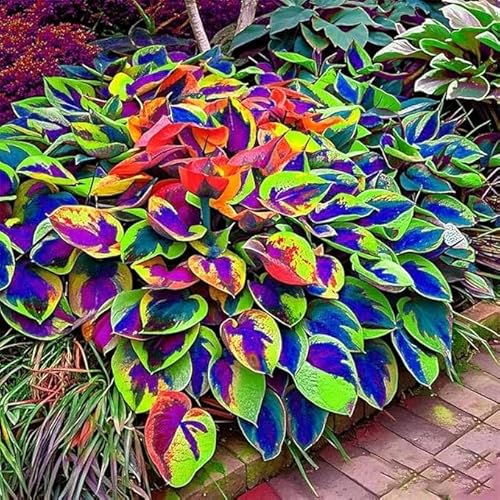
Hostas are the undisputed champions of shade gardens. Available in dozens of varieties, they offer everything from solid green to variegated blue-green foliage. These low maintenance plants that come back every year prefer rich, moist soil and will reward you with lush mounds of leaves from spring through fall. Slug protection is their only real demand.
Ferns
Ferns bring delicate, feathery texture to shaded borders. Varieties like Japanese Painted Fern and Autumn Fern tolerate deep shade and consistently moist conditions. They pair beautifully with hostas and hellebores, creating a woodland garden feel that requires minimal intervention once established.
Hellebores (Lenten Roses)
Hellebores are prized for their early spring blooms, often appearing when little else is flowering. These low maintenance perennial flowers thrive in partial to full shade, offering nodding blossoms in shades of white, pink, and deep purple. Their evergreen foliage provides year-round interest.
Astilbe
Astilbe produces feathery plumes of pink, red, or white flowers above fern-like foliage. It prefers partial shade and moist soil, making it ideal for the edge of a woodland garden or beside a water feature. These perennials attract pollinators and add vertical interest without demanding sunlight.
Bleeding Heart
Bleeding Heart (Dicentra) is a classic shade perennial with arching stems of heart-shaped flowers in spring. It goes dormant in summer heat, which makes it perfect for planting alongside later-emerging perennials that fill the gap. This plant thrives in partial shade and rich, moist soil.
Solomon's Seal
Solomon's Seal offers elegant arching stems with dangling white bell-shaped flowers in spring. It spreads slowly to form colonies, making it an excellent choice for naturalizing in shady woodland areas. Pair it with perennials for shade that bloom all summer zone 5 for continuous interest.
Heuchera (Coral Bells)
Heuchera is grown primarily for its stunning foliage in shades of purple, bronze, lime, and silver. It tolerates full shade to partial sun and provides bold color contrast in shaded borders. This low-maintenance perennial is also drought-tolerant once established.
Japanese Forest Grass
Hakonechloa macra brings graceful, cascading texture to shade gardens. Its bright green or golden foliage brightens dark corners and moves gently with the breeze. This ornamental grass prefers moist, well-draining soil and partial to full shade.
Designing a Beautiful Shade Garden
Creating a compelling shade garden relies on layering textures and colors rather than relying on flowers alone. Combine bold hosta leaves with delicate fern fronds, then add ground cover perennials like perennial ground cover plants (or shade-tolerant alternatives) to suppress weeds and retain moisture.
Consider adding garden structures like a metal arched garden arbor with tree of life design to frame a shady pathway or mark the entrance to a woodland area. The arbor itself can support climbing plants that tolerate shade, and it adds architectural interest to areas that might otherwise feel forgotten.
If your shade garden borders a patio or seating area, extend the experience with outdoor lighting that highlights foliage after sunset. Soft uplighting on hostas or ferns creates a magical evening atmosphere and allows you to enjoy the garden long after the sun has set.
Mulching is especially important in shade gardens to maintain consistent soil moisture. Consult our mulch guide to choose the right material for your garden conditions and aesthetic preferences.
Caring for Shade Perennials
Shade perennials generally require less watering than sun-loving plants, but they still need consistent moisture, especially during dry spells. A layer of organic mulch helps retain water and keeps roots cool. Fertilize lightly in early spring as new growth emerges, using a balanced organic fertilizer.
Watch for slug and snail damage on hostas and other tender-leaved plants. Organic pest control methods like beer traps, copper tape, and diatomaceous earth are effective and safe for pets and children. For more strategies, explore our broader natural pest control resources.
Division every few years keeps mature perennials healthy and allows you to expand your shade garden for free. Most shade perennials benefit from division in early spring or early fall when temperatures are moderate.
Frequently Asked Questions
Can perennials survive in total darkness?
No plant can survive in complete darkness. All plants need some light for photosynthesis. However, the perennials listed here can thrive in full shade (less than three hours of direct sun daily) or deep shade where they receive only ambient or dappled light.
What is the difference between partial shade and full shade?
Partial shade means three to six hours of direct sunlight per day, often in the morning or late afternoon. Full shade means less than three hours of direct sun, usually dappled light filtered through tree canopy. Deep shade receives no direct sunlight at all.
Do shade perennials need fertilizer?
They benefit from light fertilization in early spring as new growth appears. Use a balanced organic fertilizer or top-dress with compost. Avoid over-fertilizing, which can cause excessive foliage growth at the expense of flowers and overall plant health.
Can I grow vegetables in a shade garden?
Most vegetables require full sun, but leafy greens like lettuce, spinach, and kale tolerate partial shade. If you're interested in edible gardening, explore our microgreens and peppers guides for options that work in your available light conditions.