
Best Organic Soil for Raised Bed Vegetable Gardens
Everything you need to know about choosing the right organic soil mix for healthy, productive raised bed vegetables — composition, organic matter, pH, and top-tier blends explained.
SEE RECOMMENDED SOIL BLENDSWhy Soil Choice Matters: In a raised bed, your vegetables depend entirely on the soil you fill it with. Unlike ground planting, there is no native soil to fall back on — so the quality of your organic mix directly determines root health, water retention, nutrient availability, and ultimately your harvest. This guide breaks down what makes the best organic soil for raised bed vegetable gardens so you can fill your beds with confidence.
Understanding Raised Bed Soil
What Makes Raised Bed Soil Different?
Raised bed soil is not the same as garden soil or potting soil. Garden soil is too dense and heavy for a raised bed — it compacts easily and drains poorly when confined. Potting soil, on the other hand, is too light and dries out too quickly for most vegetables. The ideal raised bed mix is a carefully balanced blend that provides structure, drainage, moisture retention, and fertility all at once.
The best organic soil for raised bed vegetable gardens typically combines topsoil, compost, and aeration materials in roughly equal proportions. This creates a loamy texture that vegetable roots love — loose enough for roots to spread, heavy enough to hold moisture and nutrients, and rich in organic matter to feed soil life.
If you are still deciding on the structure of your garden, explore our guide on modular metal raised garden bed kits to pair the right soil with a durable bed frame. You may also want to review the best plants to grow in a raised garden bed once your soil is ready.
Key Components of the Best Organic Raised Bed Soil
The Three Pillars: Topsoil, Compost, and Aeration
A high-quality organic raised bed mix is built on three core components. Understanding each helps you evaluate any bagged or bulk soil you consider.
- Topsoil (or loam): Provides the mineral base and structural body of the mix. Look for screened, loamy topsoil that is free of debris, rocks, and weed seeds. It should crumble easily in your hand.
- Compost: The organic engine of the mix. Quality compost supplies nutrients, improves soil structure, supports beneficial microbes, and helps retain moisture. Aged, fully decomposed compost is essential — fresh manure or unfinished compost can burn roots and introduce pathogens.
- Aeration material: Materials like perlite, coarse sand, or pine bark fines prevent compaction and ensure excess water drains away. In raised beds, drainage is critical because water can pool at the bottom if the mix is too dense.
A common and reliable ratio is one-third topsoil, one-third compost, and one-third aeration material. Some premium blends adjust this ratio — for example, increasing compost for heavy-feeding vegetables or adding more aeration for rainy climates.
The Role of Organic Matter
Why Organic Matter Is Non-Negotiable
Organic matter is the lifeblood of any organic vegetable garden. It includes decomposed plant material, compost, aged manure, leaf mold, and other natural materials. In raised beds, organic matter performs several critical functions:
- Nutrient supply: As organic matter breaks down, it releases nitrogen, phosphorus, potassium, and trace minerals slowly and steadily — exactly how vegetables prefer to feed.
- Water retention: Organic matter acts like a sponge, holding moisture during dry spells while still allowing excess water to drain.
- Soil structure: It binds mineral particles into stable aggregates, creating the crumbly, airy texture that roots need to penetrate and expand.
- Microbial habitat: Beneficial bacteria, fungi, and earthworms thrive in organic-rich soil, and they in turn make nutrients available to your plants.
For raised bed vegetable gardens, aim for soil with at least 5–10% organic matter by volume. Premium organic blends often exceed this, which is why they command a higher tier in the market. If you also grow in containers, our guide on organic potting soil for container vegetables covers a similar approach for potted crops.
pH and Nutrient Availability
Getting the pH Right for Vegetables
Most vegetables thrive in a slightly acidic to neutral pH range of 6.0 to 7.0. In this range, essential nutrients like nitrogen, phosphorus, potassium, calcium, and magnesium are most available to plant roots. If your soil pH drifts too far in either direction, vegetables can show deficiency symptoms even when nutrients are present in the soil.
Quality organic raised bed soils are typically pH-balanced at the source. However, it is always worth testing your soil after filling your beds — especially if you blend your own mix from local topsoil. Simple home pH test kits are inexpensive and give you a clear starting point.
Organic matter itself helps buffer pH fluctuations, which is another reason compost-rich mixes are so valuable. As organic matter decomposes, it releases organic acids that gently moderate pH swings, keeping the root zone more stable through wet and dry cycles.
Comparing Organic Raised Bed Soil Tiers
Entry-Level, Mid-Range, and Premium Blends
Organic raised bed soils fall into distinct quality tiers. Understanding these tiers helps you match your soil choice to your budget and gardening goals — without needing to know specific prices.
Basic Organic Blends
These mixes typically contain basic topsoil and compost with minimal aeration material. They are a reasonable starting point for low-demand crops like lettuce and herbs, but may require additional compost and perlite to perform well for heavy feeders.
Best for: Budget-conscious gardeners, small beds, leafy greens.
Balanced Organic Mixes
Mid-tier blends offer a more consistent ratio of topsoil, aged compost, and perlite or pine bark. They hold moisture well, drain properly, and support a wide range of vegetables including tomatoes, peppers, and squash.
Best for: Most home vegetable gardeners, mixed raised beds.
Top-Tier Organic Blends
Premium organic soils are carefully formulated with high-quality screened loam, fully aged compost, and precise aeration blends. They often include added organic fertilizers or beneficial microbes and deliver superior structure and fertility from day one.
Best for: Serious vegetable growers, heavy-feeding crops, long-term beds.
As a general rule, mid-range blends offer the best balance for most raised bed vegetable gardens. Premium blends are worth considering if you plan to grow demanding crops like tomatoes and want to minimize amendments in the first season.
How to Evaluate an Organic Soil Before Buying
A Practical Checklist
Whether you are buying bagged soil or ordering bulk, use this checklist to assess quality:
- Read the ingredient list: Look for topsoil, compost, and aeration materials. Avoid mixes with excessive filler, construction sand, or unclear ingredients.
- Check for organic certification: If organic growing is important to you, look for OMRI-listed or certified organic labeling.
- Feel the texture: Good soil should be crumbly and loose, not clumpy or compacted. It should hold together when squeezed but break apart easily.
- Smell it: Healthy organic soil smells earthy and fresh — never sour, chemical, or sewage-like.
- Ask about screening: Well-screened soil is free of rocks, sticks, and debris that can interfere with planting.
For gardeners growing in containers alongside raised beds, similar evaluation criteria apply — see our guide on potting soil for growing tomatoes in containers for a container-specific breakdown.
How Deep Should Raised Bed Soil Be?
Depth Recommendations by Crop
Soil depth affects root development and moisture stability. Here are general guidelines for raised bed vegetable gardens:
| Crop Type | Recommended Soil Depth | Notes |
|---|---|---|
| Leafy greens, herbs, radishes | 6–8 inches | Shallow-rooted crops thrive in shallower beds. |
| Peppers, bush beans, determinate tomatoes | 10–12 inches | Moderate root depth; good all-purpose depth. |
| Tomatoes, squash, cucumbers, root crops | 12–18 inches | Deeper beds support larger root systems and steadier moisture. |
If your raised bed is deeper than needed, you can fill the bottom with coarse organic material like branches or leaves (a technique called hugelkultur) and top with quality soil. This saves soil volume while improving drainage and long-term fertility.
Maintaining Organic Soil in Raised Beds
Keeping Your Soil Alive and Productive
Once your beds are filled with quality organic soil, a few ongoing practices keep it healthy season after season:
- Top-dress with compost annually: Add a 1–2 inch layer of aged compost each spring to replenish organic matter and nutrients.
- Mulch the surface: Straw, leaves, or compost mulch protects soil from erosion, conserves moisture, and suppresses weeds.
- Avoid tilling: Minimal disturbance preserves soil structure and protects beneficial microbial networks.
- Rotate crops: Rotating vegetable families helps prevent pest and disease buildup — see our crop rotation guide.
- Test pH periodically: A simple pH test every season or two helps you catch imbalances early.
If you are also establishing ornamentals or lawn nearby, our guides on shrubs for full sun and grass seed for clay soil can help you plan a cohesive landscape.
Common Mistakes to Avoid
What to Watch Out For
- Using garden soil straight from the ground: It compacts in raised beds and drains poorly. Always blend with compost and aeration material.
- Skipping aeration materials: Without perlite, pine bark, or coarse sand, soil compacts and roots suffocate.
- Using fresh manure: Fresh manure can burn roots and introduce pathogens. Use only fully aged compost.
- Filling beds too shallow: Shallow soil dries out quickly and limits root growth, reducing yields.
- Ignoring pH: Vegetables grown in the wrong pH range cannot access nutrients efficiently, even in rich soil.
For a complete overview of raised bed planning, from construction to planting, explore our broader vegetable gardening resources.
Frequently Asked Questions
Can I mix my own organic soil for raised beds?
Yes. A reliable starting recipe is equal parts screened topsoil, aged compost, and aeration material (perlite or pine bark fines). Adjust the compost ratio upward for heavy-feeding crops and increase aeration in rainy climates.
How often should I replace raised bed soil?
You rarely need to replace it entirely. Top-dress with 1–2 inches of fresh compost annually and replenish aeration material as needed. Fully replacing soil is only necessary if severe disease or contamination occurs.
Is bagged organic soil as good as bulk soil?
Quality varies by brand rather than format. Premium bagged blends can be excellent, and bulk soil from a reputable supplier is often equally good. Always inspect texture, ingredient lists, and certifications before purchasing.
What is the ideal pH for raised bed vegetables?
Most vegetables prefer a pH between 6.0 and 7.0. Organic-rich soils tend to buffer pH naturally, but periodic testing is still recommended.
Do I need to add fertilizer to organic raised bed soil?
A well-made organic mix usually supplies sufficient nutrients for the first season. After that, annual compost top-dressing and occasional organic fertilizer for heavy feeders (like tomatoes) keep fertility strong.
Ready to Fill Your Raised Beds?
Choosing the right organic soil is the single most impactful decision for your raised bed vegetable garden. Explore our recommended organic soil blends below and start growing healthier, more productive vegetables today.
VIEW RECOMMENDED ORGANIC SOILSBest Organic Soil for Raised Bed Vegetable Gardens
⚠️ AFFILIATE DISCLOSURE: This website contains affiliate links. As an Amazon Associate, we earn from qualifying purchases. If you make a purchase through these links, we may receive a small commission at no additional cost to you. Read our full affiliate policy.

Espoma Organic Raised Bed Mix - All Natural and Organic Potting Soil Mix for Growing Vegetables and Herbs in Raised Garden Beds. for Organic Gardening.1.5 Cubic Foot Bag
Check price on Amazon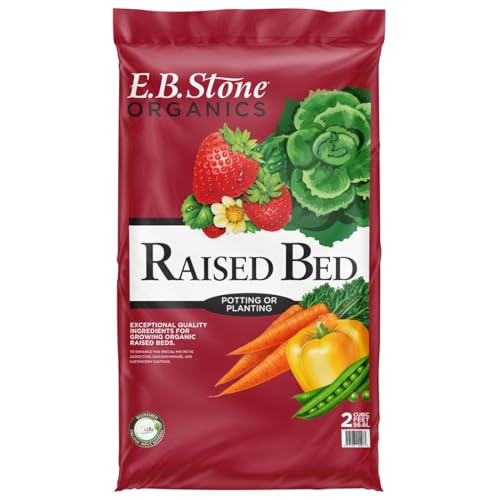
E.B. Stone Organics Raised Bed & Potting Mix - Organic Raised Bed Garden Soil for Vegetables, Flowers & Raised Garden Beds - Ready-to-Use Soil with Compost & Earthworm Castings, 2 Cubic Feet (56.6L)
Check price on Amazon
Miracle-Gro Organic Raised Bed and Garden Soil with Quick Release Natural Fertilizer, Peat Free, Feeds Plants Up to 2 Months, OMRI Listed, 1 cu. ft.
Check price on Amazon
Back to the Roots 100% Organic Raised Bed Soil, Fills 8' x 4' Garden Bed, 60 cu ft, Made in USA, Peat-Free
Check price on Amazon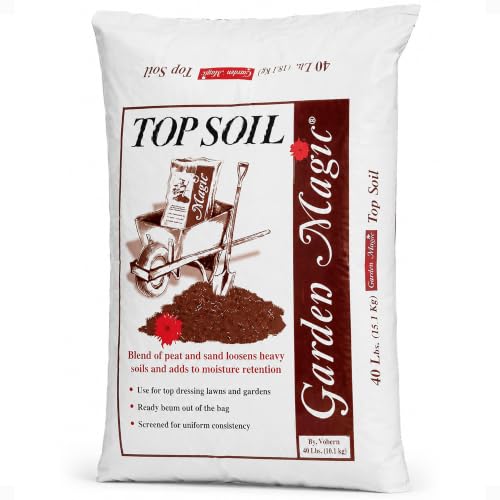
Michigan Peat Garden Magic Organic Potting Top Soil Blend, 40 Pound Bag | Dark Reed Sedge Peat and Sand - Moisture Retaining Mix for Indoor and Outdoor Planting, Potting, Gardening, and Landscaping
Check price on Amazon
True Organic Raised Bed Food – Organic Fertilizer for Herbs, Flowers, Vegetables & Fruits – 4lb Bag Covers 30 Sq. Ft.
Check price on Amazon
Burpee, 9 Quarts | Premium Organic Potting Natural Soil Mix Food Ideal for Container Garden-Vegetable, Flower & Herb Use for Indoor Outdoor Plant
Check price on Amazon