
Ideas for Raised Garden Beds: Smart Designs for a Productive Garden
Raised garden beds solve some of gardening's biggest headaches: poor soil, limited space, and back strain. Whether you are building your first bed or redesigning a whole garden, these ideas for raised garden beds will help you plan smarter, build sturdier, and grow more in less space.
Jump to Buyer's GuideWhy raised beds? Raised garden beds give you total control over soil quality, improve drainage, extend the growing season by warming earlier in spring, and reduce bending and kneeling. They also make it easier to practice crop rotation, install irrigation, and keep weeds manageable. The ideas below cover size, materials, layout, soil, and accessories so you can match a raised bed system to your space and goals.
Start With Planning: The Foundations of Great Raised Beds
Before you buy a single board, think about how you garden. A raised bed is a long-term investment, so the layout should match your daily routine and the plants you plan to grow. The most common beginner mistake is building a bed that is too wide to reach across or too shallow for the crop you have in mind. A standard 4-foot width is popular because you can access the center from both sides without stepping into the soil, while length can stretch from 4 to 12 feet depending on your yard. If you are still exploring broader layouts, our guide on DIY garden beds covers multiple construction approaches that pair well with the ideas below.
Height matters just as much as width. Beds around 10 to 12 inches deep suit most vegetables and flowers, while 18 to 24 inches makes sense for root crops and easier access. Waist-high beds are a thoughtful option for older gardeners or anyone managing back issues. Once your dimensions are set, the next decision is material, which shapes how the bed looks, how long it lasts, and how easy it is to install.
Raised Bed Material Ideas: Wood, Metal, and Stone
Wood is the classic choice because it is available in many tiers, easy to work with, and looks natural in the landscape. Cedar and cypress are naturally rot-resistant and sit at the mid-tier to premium end of the market, while untreated pine is budget-friendly but typically needs replacement sooner. Composite boards cost more upfront but require almost no maintenance. If you use recycled or treated lumber, line the interior with a food-safe barrier so soil stays clean. These are the practical ideas for raised garden beds that most homeowners start with.
Metal beds, especially galvanized steel, have gained popularity for their clean look and excellent durability. They sit at the premium tier and can heat up more in direct sun, which can be an advantage in cool climates and a drawback in hot ones. Stone, brick, and concrete blocks are top-tier choices for permanent garden architecture; they look timeless and hold heat well for warm-season crops, but they are heavy to install and hard to move later. For gardeners designing a more structured space, pairing raised beds with garden structures like arbors and trellises creates a unified look.
Layout Ideas for Raised Garden Beds
The layout of your beds determines how efficiently you move through the garden. A single long bed works well along a fence or property line, while a grid of four-by-four beds suits square-foot gardening and crop rotation. L-shaped beds soften corners and make use of otherwise wasted space. If space is tight, vertical options and tiered designs can multiply growing area without expanding the footprint. Whatever the shape, leave at least 18 to 24 inches between beds for a wheelbarrow or kneeling pad.
Think about what will grow in each bed before finalizing the layout. Tall plants like tomatoes and trellised cucumbers belong on the north side of a garden so they do not shade shorter crops. If you plan to grow tomatoes in a raised bed, our guide on the best way to support tomatoes in a raised bed explains staking and cage options that fit neatly within a bed layout. For gardeners who want to grow their own food, pairing raised beds with culinary herbs in a dedicated section keeps the kitchen close to the harvest.
Soil and Drainage: The Hidden Factor
A raised bed is only as good as what fills it. A mix of topsoil, compost, and a small amount of coarse material for drainage is the standard recipe. Avoid filling beds with garden soil alone, which can compact and drain poorly. Many gardeners line the bottom of a bed with hardware cloth to block burrowing pests, then add a layer of leaves or straw before the soil mix. Watering is easier when you install a gravity-fed drip irrigation system for raised beds, which keeps moisture consistent and reduces wasted water. For larger gardens, a drip irrigation system can be expanded to serve multiple beds on one timer.
Compost is the engine of raised bed soil. A compost bin or compost tumbler lets you recycle kitchen scraps and garden waste into rich organic matter that keeps beds productive year after year. If you are new to composting, our composting guide explains the ratios and turning schedule that produce finished compost quickly.
Accessories That Make Raised Beds Easier to Use
Small additions make a big difference in comfort and efficiency. A garden kneeler protects your knees during planting and weeding, and a sturdy set of gardening tools covers the essentials for bed maintenance. For pest protection, row covers and netting are simple to attach to a raised bed frame. If you live in a deer-pressure area, our guide on deer-resistant shade perennials that bloom all summer offers planting ideas that pair well with protected raised beds.
Edging also deserves attention. Custom curbing and concrete edging can frame raised beds as part of a larger landscape design, while simple gravel landscaping around beds keeps pathways tidy and weed-free. For a polished look, pair raised beds with garden ornaments or a bird bath to bring movement and life to the space.
Mistakes to Avoid When Building Raised Beds
The most common pitfalls are easy to avoid with a little foresight. Beds that are too wide force you to step into the soil, which compacts it and damages roots. Beds without drainage holes or a gravel base can turn into waterlogged containers after heavy rain. Placing beds in a spot that floods or sits in full shade all day limits what you can grow. And skipping a soil test means you may need to amend later, which is far harder once the bed is full. If weeds have been a problem in the area, address them before building; our guide on the best way to kill grass and weeds in flower beds covers methods that work around new construction.
Buyer's Guide: Choosing the Right Raised Bed Setup
When shopping for raised beds, think in tiers rather than prices. Entry-level kits are often untreated wood or thin metal and suit a first season or two; mid-range kits use cedar or heavier galvanized steel and last many seasons; premium and luxury options include thick composite, powder-coated steel, and modular systems that can be expanded over time. The right tier depends on how long you plan to stay in your home and how much maintenance you want to do. Look for beds with pre-drilled holes, reinforced corners, and clear instructions, since assembly quality affects durability as much as material does.
Consider the full system, not just the box. Irrigation, soil volume, and access all affect the total experience. A mid-range bed paired with a gravity-fed drip irrigation system and a good compost routine will outperform a premium bed without water management. If you are comparing brands, our brand comparisons and budget-friendly tools guides help you weigh features honestly. And if you prefer to source locally, gardening suppliers near me can point you toward nearby nurseries and landscape suppliers.
Recommended Raised Garden Bed Kits, Soil & Accessories
⚠️ AFFILIATE DISCLOSURE: This website contains affiliate links. As an Amazon Associate, we earn from qualifying purchases. If you make a purchase through these links, we may receive a small commission at no additional cost to you. Read our full affiliate policy.

The Practical Guide to Raised Bed and Container Gardening: Easy-To-Follow Gardening Solutions To Grow Organic Vegetables, Flowers & Fruit In Any Space For A Bountiful & Year-Round Harvest
Check price on Amazon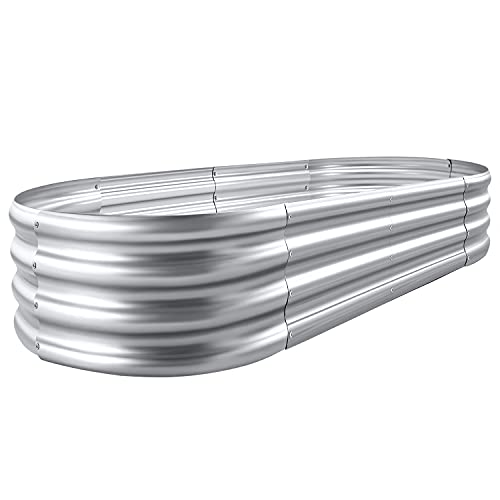
Land Guard Galvanized Raised Garden Bed Kit, Galvanized Planter Garden Boxes Outdoor, Oval Large Metal Raised Garden Beds for Vegetables…………
Check price on Amazon
HOW TO BUILD A RAISED GARDEN BED: Planning, Building, And Planting Using A Raised Garden Bed
Check price on Amazon
Land Guard 8ft Galvanized Raised Garden Bed Kit, Raised Garden Boxes Outdoor, Oval Metal Raised Garden Beds for Vegetables, Silver,108 Gallon Capacity(with 10 Connecting rods)
Check price on Amazon
The Raised Bed Book: Get the Most from Your Raised Bed, Every Step of the Way (DK Gardening Guides)
Check price on Amazon
Rakukiri Raised Garden Bed GRS Certified Galvanized Planter Box Outdoor, 5ft Oval Rot-Resistant Metal Garden Bed Planter, Recycled Material Planter for Vegetables Flowers Herbs (Silver)
Check price on Amazon
Raised-Bed Gardening for Beginners: The Complete Step-by-Step Guide to Build, Plant, and Grow a Productive Vegetable Garden with Ease
Check price on Amazon
IDEA FAMILY 4x2ft Oval Galvanized Raised Garden Bed Kits 16" Tall Outdoor Large Metal Modular Planter Box 9-in-1 Raised Beds for Gardening,Vegetables,Fruits,Flowers & Herbs (Brown)
Check price on AmazonFrequently Asked Questions
What is the best height for a raised garden bed?
A height of 10 to 12 inches works well for most vegetables and flowers, while 18 to 24 inches is ideal for root crops and reduces bending. Waist-high beds are a good option for gardeners with mobility concerns.
Which material is best for raised garden beds?
Cedar, cypress, and composite boards are durable and naturally rot-resistant. Untreated pine is budget-friendly but less durable. Avoid treated lumber containing arsenic and always line the interior if using recycled materials.
What width should a raised garden bed be?
A width of 4 feet is the standard because it lets you reach the center from both sides without stepping into the bed. Length is flexible and can range from 4 to 12 feet depending on space.
Do raised garden beds need a bottom?
Raised beds generally do not need a solid bottom. Most gardeners place them directly on soil or use hardware cloth at the base to block burrowing pests while allowing drainage. Adding a bottom can trap water and lead to root rot.
Final Thoughts
The best ideas for raised garden beds are the ones that fit your space, your climate, and the way you actually garden. Start with a manageable size, choose a material tier that matches your long-term plans, and invest in soil and water management before adding extras. With a smart layout and the right accessories, raised beds turn even a small yard into a productive, low-strain garden you will enjoy for years.