Lily of the Valley Flower: A Complete Guide
Discover the delicate beauty, sweet fragrance, and timeless symbolism of Convallaria majalis. Learn how to grow and care for this enchanting woodland flower.
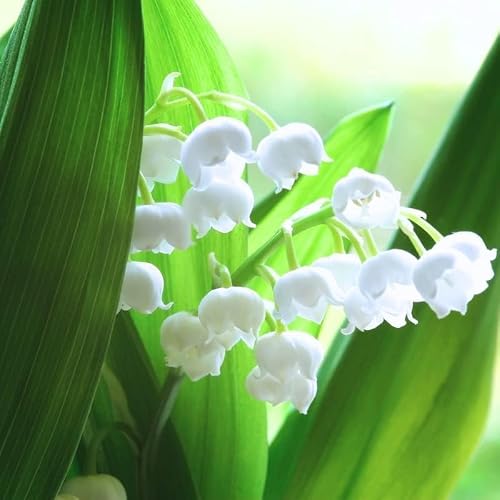
The lily of the valley (Convallaria majalis) is a beloved perennial that signals the arrival of spring with its dainty, bell-shaped white flowers and captivating fragrance. Despite its delicate appearance, this woodland native is remarkably resilient and can thrive in challenging garden spots where other plants struggle. In this comprehensive guide, we'll explore everything you need to know about growing, caring for, and enjoying this timeless classic.
Whether you're looking to add a touch of elegance to a shaded corner, create a fragrant ground cover, or simply learn more about this iconic flower, you'll find all the expert insights you need right here. Let's dive into the world of lily of the valley and discover why it has captivated gardeners for centuries.
Why Gardeners Love Lily of the Valley
🌸 Enchanting Fragrance
Its sweet, floral scent is one of the most recognizable and beloved in the gardening world.
🌿 Shade Loving
Perfect for those tricky spots under trees or along north-facing walls where other plants fade.
🌱 Low Maintenance
Once established, it requires very little care, making it ideal for busy gardeners.
💐 Long-lasting Cut Flowers
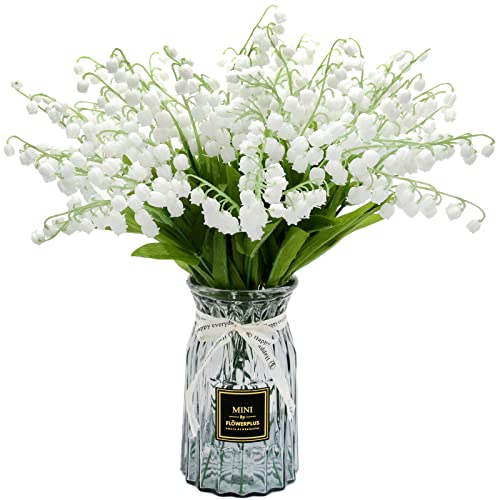
Its stems are excellent for small bouquets, bringing the garden's fragrance indoors.
How to Plant and Care for Lily of the Valley
Planting: The best time to plant lily of the valley is in early spring or fall. Choose a location with partial to full shade and well-draining soil that is rich in organic matter. Plant the rhizomes (pips) about 1 to 2 inches deep and 4 to 6 inches apart, with the buds pointing upward. Water thoroughly after planting.
Watering & Feeding: Keep the soil consistently moist but not waterlogged, especially during the first growing season. A layer of mulch helps retain moisture and keep the roots cool. Apply a balanced, slow-release fertilizer in early spring to support healthy growth and abundant blooms.
Propagation: Lily of the valley spreads naturally via underground rhizomes. You can divide established clumps in early spring or fall to create new plants. This is also a great way to control its spread, as it can become invasive in ideal conditions.
Symbolism and Cultural Significance
Lily of the valley is rich in symbolism. It is often associated with good luck, happiness, and a return to happiness. In the language of flowers, it signifies sweetness, purity, and the tears of the Virgin Mary in Christian tradition. It is also the birth flower for May and is a popular choice for wedding bouquets, including the royal bouquet worn by Queen Elizabeth II.
The flower's scientific name, Convallaria majalis, means "belonging to the valley," reflecting its natural woodland habitat. Its delicate appearance belies a tough nature, making it a symbol of resilience and enduring love.
⚠️ Important Safety Note: All parts of the lily of the valley plant are highly toxic if ingested, containing cardiac glycosides that affect the heart. Keep it away from children and pets. If you suspect ingestion, seek medical attention immediately.
Companion Plants for Lily of the Valley
Lily of the valley pairs beautifully with other shade-loving perennials. Consider planting it alongside hostas, ferns, or bleeding hearts for a lush, woodland aesthetic. Its white blooms also contrast nicely with the purple hues of coral bells or the blue-green foliage of ferns.
When planning your shade garden design, use lily of the valley as a ground cover to fill in gaps and create a fragrant carpet of green and white.
What to Look for When Buying Lily of the Valley
When purchasing lily of the valley, look for healthy, firm rhizomes (pips) with a plump bud and no signs of rot or mold. You can typically find them at local nurseries, garden centers, or online. For the best selection, consider reputable online retailers that specialize in perennials.
If you're looking for cut flowers, choose stems with a few fully opened bells and several buds that are still closed to ensure a longer vase life. The fragrance is strongest in the morning, making it the best time to harvest for bouquets.
Explore more about shade gardening and perennials for shade that bloom all summer. If you love fragrant flowers, you might also enjoy learning about other flowers and plants that attract butterflies and hummingbirds.
For those interested in more hardy plants, consider the magnolia tree for a stunning spring display, or the versatile dogwood tree for year-round interest.
If you're looking for indoor plants with similar fragrant qualities, check out best indoor plants for clean air safe for cats or plants that can live in an office with no windows.