Hosta Plants: The Complete Growing & Care Guide
Transform shady corners into lush, leafy retreats. Learn everything about growing hostas — from choosing the right variety for your garden to planting, watering, dividing, and protecting these shade-loving perennials from pests.
Hostas are the undisputed stars of the shade garden. With their bold, textured foliage and remarkable diversity of leaf shapes and colors, hostas (Hosta spp.) bring structure, elegance, and easy-care beauty to areas where other plants struggle. Whether you're landscaping a woodland border, filling a shaded foundation bed, or creating a container display for a covered porch, hostas deliver dependable performance season after season.
This guide walks you through every stage of hosta cultivation — selecting the right variety, preparing the soil, planting correctly, and maintaining healthy plants through the seasons. You'll also learn how to recognize and solve common problems, so your hostas remain the envy of the neighborhood for years to come. If you're exploring more shade-loving companions, our guides on hydrangeas and deer-resistant shade perennials pair beautifully with a hosta garden.
Why Gardeners Love Hostas: Hostas are low-maintenance, long-lived perennials that thrive in shade where many plants fail. They come in hundreds of varieties with leaf colors ranging from deep blue-green to bright gold and variegated patterns. Once established, hostas return reliably every spring and can be divided to expand your garden or share with friends.
Understanding Hosta Plants: Types and Growth Habits
Hostas are herbaceous perennials native to East Asia, prized primarily for their foliage rather than their flowers. They grow from a crown of fleshy roots and produce a mound of overlapping leaves that can range from a few inches to several feet across, depending on the variety. In summer, tall flower scapes rise above the foliage, bearing bell-shaped blooms in shades of white, lavender, and purple that attract pollinators.
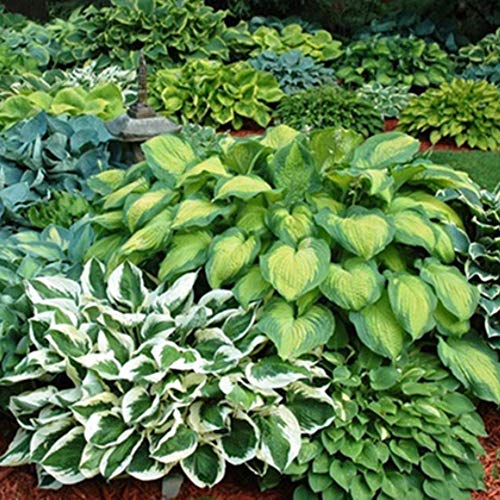
Hostas are broadly grouped by size — miniature, small, medium, large, and giant — and by leaf color, which includes solid green, blue (due to a waxy coating), gold, and variegated combinations. This diversity means there's a hosta for virtually every shaded space, from tiny rock-garden accents to dramatic specimen plantings. Many gardeners pair hostas with green velvet boxwood or coral bark Japanese maple to create layered, textural shade borders.
Popular Hosta Varieties for Every Garden
With hundreds of registered cultivars, choosing a hosta can feel overwhelming. The varieties below represent a range of sizes, colors, and growth habits — each reliable and widely available. Tier descriptors below reflect relative market positioning, not price.
Hosta 'Patriot'
A classic variegated variety with deep green leaves and crisp white margins. Medium-sized and vigorous, 'Patriot' tolerates more sun than many hostas and is an excellent starter choice for beginners.
Hosta 'Sum and Substance'
A giant, gold-leaved hosta that makes a bold statement in the shade border. Its thick, slug-resistant leaves and impressive size make it a favorite among experienced gardeners.
Hosta 'Blue Angel'
Large, heavily textured blue-green leaves form an elegant clump. 'Blue Angel' holds its blue color well into summer and pairs beautifully with gold and variegated hostas.
Hosta 'June'
Award-winning and highly sought after, 'June' features gold centers with blue-green margins. It performs best in morning sun and is considered a top-tier choice among collectors.
Hosta 'Empress Wu'
One of the largest hostas available, with leaves that can span nearly two feet across. 'Empress Wu' is a premium specimen plant for spacious shade gardens and woodland settings.
Hosta 'Undulata Albomarginata'
A time-tested, affordable variety with wavy green leaves edged in white. It naturalizes readily and is ideal for mass plantings or filling large shady areas.
How to Plant Hostas Correctly
Proper planting sets the foundation for decades of healthy growth. Hostas prefer well-drained soil rich in organic matter, and they benefit from a location with morning sun and afternoon shade. Follow these steps for the best results:
- Choose the right spot: Select a location with dappled shade or morning sun. Avoid deep, dry shade and harsh afternoon sun, which can scorch thin-leaved varieties.
- Prepare the soil: Amend with compost or aged manure to improve drainage and fertility. Hostas dislike waterlogged soil, so raised beds or mounded planting help in heavy clay.
- Dig a wide hole: Make the hole twice as wide as the root ball but no deeper. Set the crown level with the soil surface — planting too deep can cause rot.
- Space appropriately: Allow room for mature spread. Small varieties need about 12 inches, while giant hostas may need 4–6 feet between plants.
- Water thoroughly: Soak deeply after planting and keep the soil consistently moist until new growth appears. A layer of mulch helps retain moisture.
For gardeners working in raised beds or containers, our guide on DIY garden beds and modern fiberstone planters offers practical options for creating ideal hosta habitats.
Hosta Care Through the Seasons
Hostas are famously low-maintenance, but a little attention throughout the year keeps them looking their best. Here's a quick reference for seasonal care:
| Season | Key Care Tasks |
|---|---|
| Spring | Remove winter mulch, apply compost, divide overcrowded clumps, and watch for emerging shoots. Begin watering during dry spells. |
| Summer | Water deeply once or twice weekly, especially in heat. Mulch to conserve moisture. Remove spent flower scapes unless seed collection is desired. |
| Fall | Allow foliage to die back naturally. Clean up fallen leaves to reduce pest habitat. Apply a light layer of mulch after the first frost. |
| Winter | Hostas are dormant; minimal care required. Avoid walking on frozen crowns. Check for frost heaving in mild climates and re-firm soil if needed. |
Common Hosta Problems and Solutions
Even easy-care hostas face a few challenges. Recognizing the signs early lets you act quickly and protect your plants.
- Slugs and snails: The most common hosta pest, these chew irregular holes in leaves. Use copper tape, diatomaceous earth, or beer traps. Water in the morning to reduce nighttime moisture that attracts them.
- Deer browsing: Deer love hostas. Repellents, fencing, or planting deer-resistant companions can help. See our guide on deer-resistant shade perennials for ideas.
- Leaf scorch: Brown, crispy leaf edges indicate too much sun or insufficient water. Move plants to more shade or increase irrigation.
- Root rot: Yellowing leaves and mushy crowns signal poor drainage. Improve soil structure and avoid overwatering.
- Frost damage: Late spring frosts can damage emerging shoots. Cover plants with a frost blanket or bucket if cold nights are forecast. Our frost protection guide offers more strategies.
Dividing and Propagating Hostas
Hostas multiply readily and benefit from division every few years to rejuvenate growth and control size. Divide in early spring as shoots emerge, or in early fall once the heat subsides. Lift the entire clump with a garden fork, then use a sharp spade or knife to cut through the crown, ensuring each division has several eyes and a healthy root system. Replant immediately at the original depth and water well. Divisions also make wonderful gifts for gardening friends.
If you're expanding your shade garden, explore our guides on hostas for additional variety information and composting to create rich, free soil amendments for your new plantings.
Ready to Build Your Shade Garden?
Explore our recommended gardening tools and supplies below to plant, nurture, and maintain healthy, beautiful hostas all season long.
Frequently Asked Questions About Hostas
How much sun do hostas need?
Most hostas thrive in partial to full shade. They prefer morning sun or dappled light, but some varieties with thicker leaves can tolerate more sun. Avoid harsh afternoon sun, which can scorch the foliage.
When is the best time to plant hostas?
The best time to plant hostas is in spring or early fall. Spring planting allows roots to establish before summer heat, while fall planting gives them time to settle before winter dormancy.
How often should I water hostas?
Hostas need consistent moisture, especially during their first year. Water deeply once or twice a week, depending on rainfall and soil type. Keep the soil moist but not waterlogged.
How do I protect hostas from slugs?
Use organic methods like crushed eggshells, diatomaceous earth, or copper tape around plants. Beer traps and hand-picking at night are also effective. Avoid excessive mulch and moisture around the crown.
Can hostas grow in containers?
Yes! Hostas grow beautifully in containers, especially smaller and miniature varieties. Use a quality potting mix, ensure drainage holes, and water more frequently than in-ground plants. Containers can be moved to ideal shade throughout the season.