
Shade Garden Design: Create a Lush, Low-Maintenance Landscape
Transform your shaded yard into a vibrant, multi-textured garden. Learn how to design, plant, and maintain a shade garden that thrives with minimal effort, using the best plants and design principles.
Shop Shade Garden EssentialsWhy a shade garden? Shade gardens are serene, cool, and often require less water than sunny gardens. With the right design and plant choices, you can turn a dark, underutilized area into a stunning outdoor room that blooms with color and texture.
Shade Garden Design Principles
🌳 Assess Your Shade
Not all shade is created equal. Understanding your light conditions is the first step to a successful shade garden:
- Deep shade: Under dense trees or north-facing walls. Few plants thrive here—consider ferns and ground covers.
- Partial shade: 3–6 hours of filtered or morning sun. Ideal for hostas, heucheras, and astilbes.
- Dappled shade: Light filtered through tree canopies. Many woodland plants love this environment.
For more on plant selection, explore our shade plants for pollinators guide.
🎨 Layering & Texture
A great shade garden mimics a woodland floor with layers of plants:
- Canopy: Tall trees or large shrubs that provide the shade.
- Understory: Medium-height shrubs like rhododendrons and azaleas.
- Ground layer: Perennials, ferns, and ground cover plants like creeping phlox or liriope.
- Accents: Unique plants like bleeding heart or coral bells for color and contrast.
Layering adds depth and visual interest year-round.
Best Plants for Shade Gardens
Plant selection tip: Choose a mix of foliage textures, heights, and bloom times to keep your garden interesting from spring to fall.
For more ideas, browse our landscaping ideas for shade.
Hardscaping & Structural Elements
🪨 Paths & Seating
Incorporate natural stone or gravel paths that wind through the garden. Add a bench or a water feature to create a peaceful retreat. Consider using path lights or spotlights to highlight key plants.
For a cohesive look, use materials that complement your home's exterior and the natural surroundings.
🌿 Mulching & Edging
Mulch is essential in shade gardens—it retains moisture, suppresses weeds, and adds a finished look. Use organic mulch like shredded bark or leaf compost. Edging with stones or garden edging materials keeps borders clean.
Proper edging also makes mowing and maintenance easier. Explore weed control methods to keep your garden pristine.
Shade Garden Maintenance
💧 Watering & Soil
Shade gardens often have tree roots that compete for moisture. Water deeply and less frequently to encourage deep roots. Amend soil with organic matter to improve drainage and fertility. Consider a drip irrigation system for consistent watering.
Use a balanced fertilizer in early spring to support growth.
✂️ Pruning & Cleanup
Prune dead or damaged branches from trees to increase light penetration. Remove spent flowers and yellowing foliage to keep the garden tidy. Many shade perennials benefit from division every 3–4 years.
For seasonal tasks, check our spring gardening checklist and overwintering guide.
Creating Year-Round Interest
A well-designed shade garden has something to offer every season. Combine spring-blooming bulbs, summer perennials, and fall foliage for continuous appeal. Consider year-round shade garden strategies to keep your landscape vibrant.
- Spring: Spring-blooming bulbs like daffodils and tulips, plus bleeding hearts.
- Summer: Astilbe, hosta flowers, and lush ferns.
- Fall: Heuchera and colorful foliage, plus late-blooming toad lilies.
- Winter: Evergreen rhododendrons, azaleas, and structural elements like garden ornaments.
What to Look For When Shopping for Shade Garden Plants
🛒 Choosing Healthy Shade Plants
- Foliage: Look for vibrant, blemish-free leaves. Yellowing or spots indicate stress or disease.
- Roots: Check for healthy white roots. Avoid plants that are root-bound or have dark, mushy roots.
- Growth habit: Choose compact, well-proportioned plants. Avoid leggy or spindly specimens.
- Pest-free: Inspect undersides of leaves for pests like aphids or spider mites.
- Size: Consider mature size. Allow enough room for plants to spread and fill the space.
For container gardening in shade, see our container gardening guide and best potting soil recommendations.
Shade Garden Essentials: Plants, Tools & Decor
⚠️ AFFILIATE DISCLOSURE: This website contains affiliate links. As an Amazon Associate, we earn from qualifying purchases. If you make a purchase through these links, we may receive a small commission at no additional cost to you. Read our full affiliate policy.
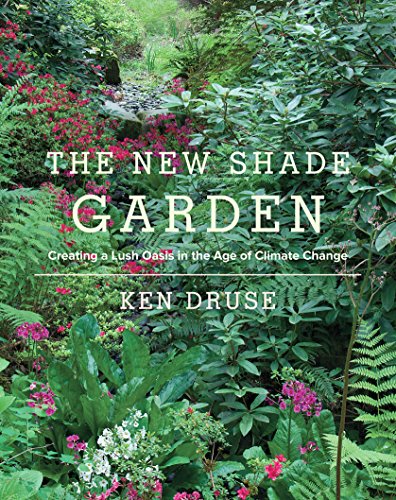
The New Shade Garden: Creating a Lush Oasis in the Age of Climate Change
Check price on Amazon
Glorious Shade: Dazzling Plants, Design Ideas, and Proven Techniques for Your Shady Garden
Check price on Amazon
Cool Area Sun Shade Cloth Shade Net for Garden, 40% 8x12ft, Black
Check price on Amazon
Making the Most of Shade: How to Plan, Plant, and Grow a Fabulous Garden that Lightens up the Shadows
Check price on Amazon
Cool Area Sun Shade Cloth Shade Net for Garden, 55% 6.5x10ft, Black | Made of New HDPE. Special Woven Hole Design. UV Resistant. Widely Used for Garden Flower Plant Greenhouse.
Check price on Amazon
Cool Area Sun Shade Cloth Shade Net for Garden, 55% 10x20ft, Black
Check price on Amazon
Cool Area Sun Shade Cloth Shade Net for Garden, 40% 6x8ft, Black
Check price on Amazon
Shade Cloth for Garden Plants Greenhouse, 40-50% Sunblock Neting -for Outdoor Garden Lawn Plant Sun Shade Cloths for Kennel Chicken Coop Easier to Hang Net Cover
Check price on AmazonReady to Design Your Shade Garden?
With thoughtful planning and the right plants, your shade garden can become a tranquil, beautiful space that you'll enjoy for years. Start with a few key plants, build layers, and let your garden evolve over time.
For more inspiration, explore our guides on summer-blooming shade flowers and deer-resistant plants for a thriving, worry-free garden.
Shop Shade Garden Supplies