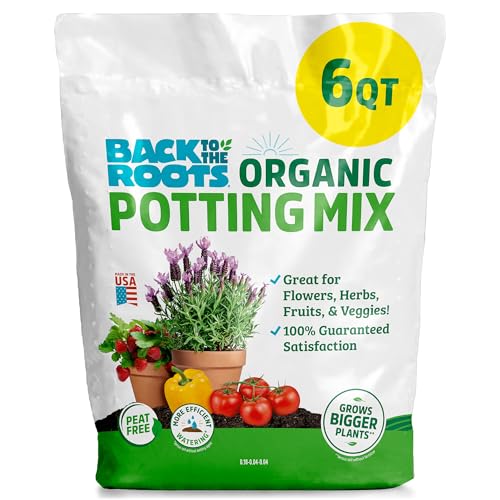
Best Potting Soil for Container Vegetables: The Complete Guide
Growing vegetables in containers starts with the right foundation. Learn what makes a quality potting mix, which ingredients matter most, and how to choose the best soil for tomatoes, peppers, lettuce, and more.
Why Potting Soil Matters for Container Vegetables
Container gardening gives you total control over the growing environment, and soil is the most critical variable you can manage. Unlike garden soil, which is dense and full of native minerals, potting soil is engineered for life in a pot. It must be lightweight, well-draining, and capable of holding both moisture and nutrients without becoming waterlogged. Vegetables grown in containers have limited root space, so every handful of soil needs to work harder than it would in the ground.
The best potting soil for container vegetables delivers three things: excellent drainage to prevent root rot, enough water retention to keep plants hydrated between waterings, and a balanced nutrient profile that supports vigorous growth from seedling to harvest. If you are also setting up raised beds alongside your containers, the principles are similar, and you can explore options like organic soil for raised bed vegetable gardens to complement your container setup.
Key Ingredients in Quality Potting Soil
Understanding what goes into a potting mix helps you evaluate brands and make smarter choices. Most premium mixes share a common foundation:
- Peat moss or coco coir: These organic materials hold moisture and create a light, airy structure. Coco coir is a renewable alternative to peat moss and is increasingly popular in eco-friendly mixes.
- Perlite: Those white, popcorn-like granules are expanded volcanic glass. Perlite improves drainage and aeration, preventing compaction.
- Vermiculite: A mineral that retains water and nutrients. It is especially useful in mixes for moisture-loving vegetables.
- Compost or aged bark: Provides organic matter and a slow release of nutrients. Quality compost also supports beneficial microbial life.
- Slow-release fertilizer: Many mixes include a starter charge of nutrients that feeds plants for the first few weeks.
If you are growing tomatoes specifically, look for a mix with added calcium to help prevent blossom end rot. You can find more focused guidance in our guide to the best potting soil for growing tomatoes in containers.
Types of Potting Soil for Container Vegetables
Not all potting mixes are created equal. Here is how the main categories compare:
| Type | Best For | Key Traits | Quality Tier |
|---|---|---|---|
| All-purpose potting mix | Most vegetables in containers | Balanced drainage and moisture retention | Entry-level to mid-range |
| Organic potting soil | Organic vegetable gardening | Natural ingredients, no synthetic fertilizers | Mid-range to premium |
| Raised bed mix | Large containers and raised beds | Denser blend with more compost | Mid-range |
| Seed-starting mix | Germinating seeds | Very fine texture, low nutrients | Budget-friendly |
| Moisture-control mix | Busy gardeners, hot climates | Water-holding crystals or extra coir | Mid-range |
For most home gardeners, an all-purpose or organic potting mix is the best starting point. If you are gardening organically, look for a product like best organic potting soil for container vegetables that is OMRI-listed or clearly labeled as organic.
How to Choose the Best Potting Soil
When you are standing in the garden center or browsing online, use these criteria to narrow down your options:
- Check the label for "container" or "potting mix": Avoid products labeled "topsoil" or "garden soil," which are too heavy for pots.
- Look for aeration ingredients: Perlite or pumice should be visible in the mix. This signals good drainage.
- Consider your vegetables: Leafy greens tolerate a wider range of mixes, while fruiting vegetables like tomatoes and peppers benefit from mixes with added calcium and steady nutrient release.
- Decide on organic vs. conventional: Organic mixes are ideal for edible gardening, especially if you want to avoid synthetic fertilizers and pesticides.
- Read reviews for consistency: Quality can vary between batches. Choose brands with a reputation for consistent texture and performance.
How to Prepare Pots for Container Vegetables
Great soil is only half the equation. Proper pot preparation ensures your vegetables have the best possible start:
- Choose containers with drainage holes: No exceptions. Soggy soil is the leading cause of container vegetable failure.
- Add a drainage layer: A shallow layer of gravel or broken pottery at the bottom helps water flow out and keeps soil from washing through.
- Fill with fresh potting mix: Leave about an inch of space below the rim to allow for watering.
- Pre-moisten the soil: Water the mix thoroughly before planting to ensure even hydration.
- Fertilize appropriately: If your mix does not contain slow-release fertilizer, add a balanced organic fertilizer at planting time.
For raised bed gardeners who also grow in containers, our guide to the best soil for raised bed vegetable gardens offers complementary advice on blending and amending larger volumes of soil.
Common Mistakes to Avoid
Even experienced gardeners can stumble when it comes to container soil. Here are the most common pitfalls:
- Reusing old potting soil without refreshing it: Old soil loses structure and may harbor pathogens. Replace it annually or blend in fresh compost and perlite.
- Overwatering: Poor drainage and frequent watering lead to root rot. Always let the top inch of soil dry before watering again.
- Underfeeding: Container vegetables are heavy feeders. Nutrients leach out with every watering, so plan on regular feeding throughout the season.
- Using the wrong mix for the job: Seed-starting mix is too lean for mature vegetables, while heavy garden soil suffocates roots in pots.
Frequently Asked Questions
Can I use garden soil for container vegetables?
Garden soil is generally not recommended for containers because it becomes compacted, drains poorly, and may contain weed seeds and pathogens. A proper potting mix is lightweight, well-draining, and sterile, which is essential for healthy container vegetable growth.
How often should I replace potting soil in container vegetables?
It is best to replace potting soil annually for container vegetables. Over time, the soil structure breaks down, nutrients deplete, and potential pathogens accumulate. Fresh potting mix each growing season ensures optimal drainage and fertility.
What is the difference between potting soil and potting mix?
Potting soil may contain actual soil, while potting mix is typically a soilless blend of peat moss, bark, perlite, and vermiculite. Potting mix is generally preferred for containers because it is lighter, drains better, and is sterile.
Can I mix my own potting soil for container vegetables?
Yes, you can create a homemade mix using peat moss or coco coir, perlite, compost, and a slow-release fertilizer. A common recipe is one part peat moss, one part perlite, and one part compost, with added nutrients.
Do container vegetables need fertilizer if I use quality potting soil?
Even high-quality potting mixes often contain only initial nutrients. Container vegetables typically need regular feeding throughout the growing season because nutrients leach out with watering. Use a balanced liquid fertilizer or slow-release granules according to package directions.
Ready to give your container vegetables the best possible start? Browse our recommended products below to find the ideal potting soil for your garden.