Container Gardening: The Ultimate Guide for Any Space
Discover how to create a lush, productive garden in pots, planters, and containers. Perfect for patios, balconies, and small yards. Everything you need to know to get started.
SHOP CONTAINER GARDENING ESSENTIALSWhy Container Gardening? Container gardening offers the freedom to grow plants anywhere – even without a traditional garden bed. Whether you have a sprawling patio or a tiny balcony, you can cultivate vegetables, herbs, flowers, and shrubs. This guide covers everything from choosing the right container to maintaining a thriving potted garden.
Why Choose Container Gardening?
- Space-Saving: Perfect for small spaces like apartments, condos, and townhomes.
- Control: You control the soil quality, drainage, and sunlight exposure.
- Mobility: Move plants to optimize light or protect them from harsh weather.
- Accessibility: Elevated containers reduce bending and make gardening easier.
- Design Flexibility: Mix and match containers for a dynamic, artistic display.
Container gardening also allows you to experiment with plants that might not thrive in your native soil. For more ideas, explore our guides on flower garden and ground cover plants.
Choosing the Right Containers
Selecting the right pot is crucial for plant health. Here are the most common materials and their pros and cons:
| Material | Pros | Cons | Best For |
|---|---|---|---|
| Terracotta | Breathable, natural look | Dries out quickly, heavy | Succulents, herbs |
| Plastic | Lightweight, affordable, retains moisture | Can degrade in sun, less aesthetic | Vegetables, annuals |
| Ceramic/Glazed | Decorative, holds moisture well | Heavy, expensive | Ornamental plants, patios |
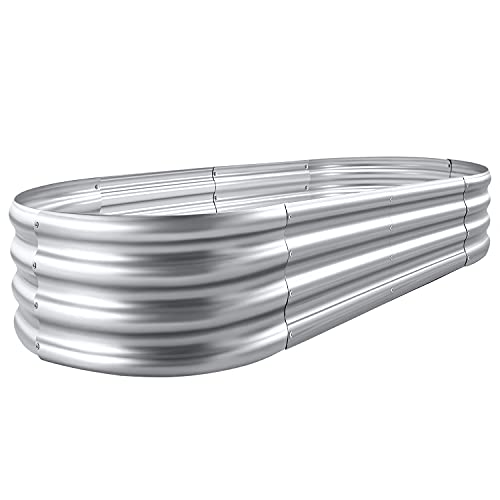
| Wood | Insulates roots, rustic charm | Can rot over time | Raised beds, large perennials |
| Metal | Durable, modern look | Heats up quickly, can rust | Industrial-style decor |
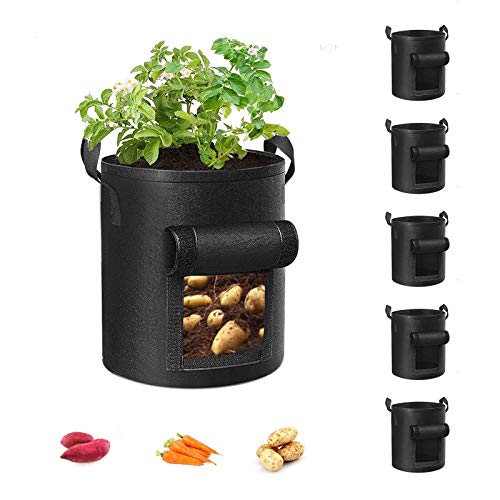
For most vegetables, a 5-gallon container is a minimum. For more detailed guidance, see our article on best potting soil for container vegetables.
Best Soil for Container Gardens
Regular garden soil is too dense for containers. Instead, use a high-quality potting mix that is lightweight, well-draining, and rich in organic matter. Key tips:
- Potting Mix: Choose a mix specifically formulated for containers. Avoid "topsoil."
- Drainage: Ensure your pot has drainage holes. Add a layer of gravel or use a saucer to catch excess water.
- Fertility: Mix in a slow-release best fertilizer for plants or incorporate compost.
- pH: Most container plants prefer a slightly acidic to neutral pH (6.0–7.0).
Best Plants for Container Gardening
Almost any plant can be grown in a container, but some are particularly well-suited:
- Vegetables: Tomatoes, peppers, lettuce, radishes, beans, and squash (bush varieties).
- Herbs: Basil, mint, rosemary, thyme, and parsley thrive in pots.
- Flowers: Petunias, marigolds, zinnias, and full sun perennials are excellent choices.
- Shrubs & Small Trees: Dwarf citrus, boxwood, and Japanese maple.
- Trailing Plants: Ivy, sweet potato vine, and nasturtiums for spill-over effect.
For indoor container options, check our guide on indoor plants.
Watering and Ongoing Care
Container plants dry out faster than in-ground gardens. Here's how to keep them healthy:
- Watering Frequency: Check daily, especially in hot weather. Water until it drains from the bottom.
- Mulching: Add a layer of mulch or pebbles to retain moisture.
- Fertilizing: Apply a balanced liquid fertilizer every 2–4 weeks during the growing season.
- Pruning & Deadheading: Remove spent flowers and damaged leaves to encourage new growth.
- Winter Care: In cold climates, move tender plants indoors or use overwintering techniques.
Container Garden Design Ideas
- Thriller, Filler, Spiller: A classic formula: one tall focal plant (thriller), medium fillers, and trailing plants (spillers).
- Themed Gardens: Create a culinary herb garden, a cutting flower garden, or a tropical oasis.
- Color Coordination: Match pot colors and plant blooms to complement your outdoor decor.
- Vertical Gardening: Use tiered stands or wall-mounted planters to maximize space.
- Seasonal Updates: Swap plants with the seasons to keep your containers fresh year-round.
For more inspiration, visit our sections on outdoor decor and patio decor.
Common Container Gardening Problems & Solutions
- Yellowing Leaves: Often a sign of overwatering or nutrient deficiency. Check soil moisture and fertilize.
- Wilting: Could be under-watering or root-bound plants. Water deeply and consider repotting.
- Pests: Aphids, spider mites, and whiteflies can be controlled with natural pest control methods.
- Poor Drainage: Ensure drainage holes are clear and use a well-aerated potting mix.
- Root Bound: If roots circle the pot, repot into a larger container or divide the plant.
Final Tips for Container Gardening Success
Summary: Container gardening is a rewarding, flexible way to grow plants in any setting. Start with the right pot, use high-quality potting soil, water consistently, and choose plants suited to your light conditions. With a little care, you can enjoy fresh produce, beautiful flowers, and lush greenery all season long.
Ready to start your container garden? Browse our recommended products below to find the best pots, soil, and tools for your project.