Best Fertilizer for Plants: The Ultimate Guide
Let gardening thrive! Discover how to choose the perfect fertilizer for your plants. From NPK ratios to organic options, we cover everything you need to know for lush, healthy growth.
Let Gardening Philosophy: Fertilizer is the key to unlocking your garden's full potential. Whether you're growing vegetables, flowers, or indoor plants, the right nutrients make all the difference. This guide will help you understand fertilizer types, timing, and application so you can feed your plants with confidence.
What Is Fertilizer and Why Do Plants Need It?
Fertilizer provides essential nutrients that plants need to grow, flower, and fruit. The three primary nutrients are Nitrogen (N), Phosphorus (P), and Potassium (K) – often displayed as an NPK ratio on product labels. Each plays a critical role: nitrogen promotes leafy growth, phosphorus supports root and flower development, and potassium boosts overall plant health and disease resistance.
Plants also require secondary nutrients like calcium, magnesium, and sulfur, as well as micronutrients such as iron, zinc, and manganese. A balanced fertilizer ensures your plants get everything they need to thrive. For more detailed plant care, check out our snake plant care guide or learn about aloe vera care.
Organic vs. Synthetic Fertilizers: Which Is Best?
Choosing between organic and synthetic fertilizers depends on your gardening style and goals. Organic fertilizers, like compost, manure, and bone meal, release nutrients slowly and improve soil structure over time. They are ideal for sustainable gardening and composting enthusiasts. Synthetic fertilizers provide an immediate nutrient boost and are often more concentrated, making them suitable for quick fixes or container plants.
Both types have their place. For example, acid-loving plants like rhododendrons and azaleas benefit from specific formulations. Meanwhile, vegetables in raised beds often thrive with a balanced organic approach. Read on to discover the best fertilizer for your specific plants.
Decoding NPK: What Do the Numbers Mean?
The NPK ratio on a fertilizer package (e.g., 10-10-10) indicates the percentage of nitrogen, phosphorus, and potassium by weight. For leafy greens and lawns, a higher nitrogen ratio (like 20-10-10) is ideal. For flowering plants and fruits, a higher phosphorus ratio (e.g., 10-20-10) encourages blooms. For overall maintenance, a balanced ratio like 10-10-10 works well.
Understanding NPK helps you tailor your fertilization strategy. For instance, tomatoes benefit from a phosphorus-rich fertilizer during fruiting, while peas and radishes prefer a balanced blend. Always read the label and adjust based on your plant's growth stage.
Timing and Application Tips for Maximum Results
Fertilizing at the right time is crucial. Most plants benefit from feeding in early spring as they emerge from dormancy, and again in mid-summer to support active growth. Avoid fertilizing late in the season, as it can stimulate tender new growth that may be damaged by frost.
Application methods vary: granular fertilizers are worked into the soil, liquid fertilizers are diluted and applied directly to the soil or foliage, and slow-release pellets provide nutrients over several months. For indoor plants, use a diluted liquid fertilizer every 4-6 weeks during the growing season. For outdoor gardens, consider drip irrigation to deliver nutrients efficiently.
Best Fertilizer for Common Plants
🌱 Indoor Plants
Use a balanced liquid fertilizer (e.g., 10-10-10) diluted to half strength every 4-6 weeks. For low-light plants, reduce frequency. Organic options like worm castings are also excellent.
🍅 Vegetables
Vegetables like tomatoes, peppers, and cucumbers benefit from a phosphorus-rich fertilizer (e.g., 10-20-10) during fruiting. For leafy greens, use a higher nitrogen formula (e.g., 20-10-10).
🌸 Flowering Plants
Apply a bloom-booster fertilizer (e.g., 10-30-20) to encourage vibrant flowers. For perennials and roses, use a balanced organic fertilizer in early spring.
🌿 Lawns
Lawns thrive with a high-nitrogen fertilizer (e.g., 30-0-10) in spring and fall. For centipede grass, use a low-nitrogen, high-potassium formula to prevent disease.
Common Fertilizer Mistakes and How to Avoid Them
Even experienced gardeners make mistakes. Over-fertilizing can cause salt buildup and burn roots, while under-fertilizing leads to nutrient deficiencies. Always test your soil before applying fertilizer, and follow label instructions carefully.
Another common error is ignoring pH levels. Some nutrients become unavailable to plants if the soil pH is too high or too low. For example, hydrangeas and azaleas prefer acidic soil. If you're unsure, use a soil tester and adjust accordingly. For natural solutions, explore our natural pest control methods to keep your garden healthy without harsh chemicals.
Eco-Friendly Fertilizing: Compost and Natural Alternatives
For a sustainable approach, consider making your own compost. Compost enriches soil, improves water retention, and reduces waste. Learn the basics with our compost guide. Other natural alternatives include bone meal, blood meal, and seaweed extract, which provide essential nutrients without synthetic chemicals.
Using organic fertilizers also supports beneficial soil microbes, which in turn help plants absorb nutrients more efficiently. If you're looking for a complete guide to organic gardening, check out our organic gardening 101 page.
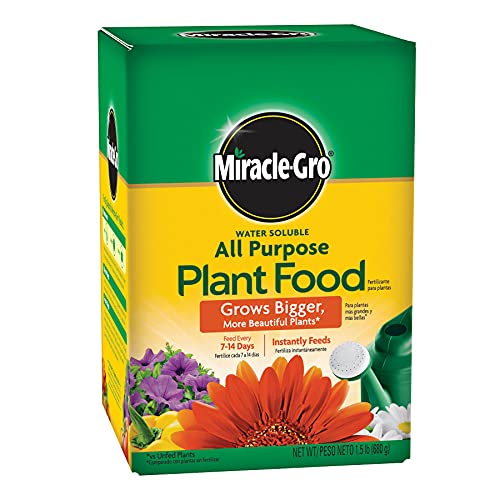
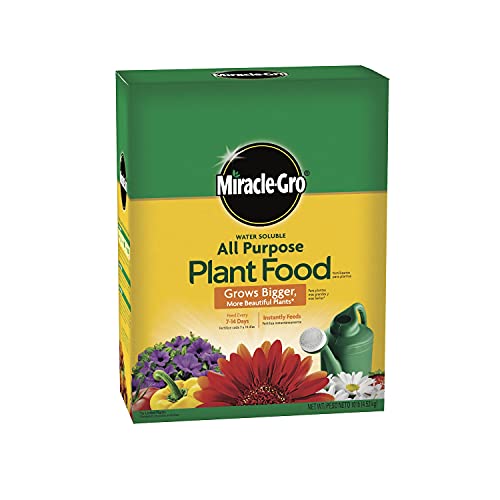
Ready to choose the best fertilizer for your plants? Explore our curated selection of top-rated fertilizers below. Whether you need a balanced blend or a specialized formula, we've got you covered.