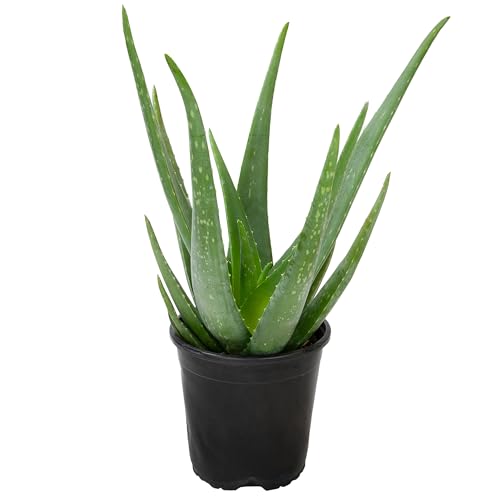
How to Take Care of an Aloe Vera Plant
Master aloe vera plant care with our complete guide. Learn watering, light, soil, repotting, and harvesting tips to keep your aloe thriving for years.
START CARING FOR YOUR ALOE🌿 Aloe vera is one of the easiest and most rewarding houseplants to grow. With its striking succulent leaves and incredible healing properties, it's a must-have for any indoor garden. Whether you're a beginner or an experienced plant parent, this guide will show you exactly how to take care of an aloe vera plant so it thrives year-round.
Native to arid climates, aloe vera is a succulent that stores water in its thick leaves. This makes it highly drought-tolerant, but also means it requires specific care to avoid common problems like overwatering and root rot. Read on to discover everything you need to know about aloe plant care, from soil selection to harvesting gel.
Aloe Vera Quick Care Guide
| Care Factor | Requirement |
|---|---|
| Light | Bright indirect light to full sun (4–6 hours daily) |
| Water | Deep watering when soil is completely dry (every 2–3 weeks) |
| Soil | Well-draining succulent mix (cactus potting mix + perlite) |
| Temperature | 60°F–80°F (15°C–27°C) |
| Humidity | Low humidity preferred (typical household levels fine) |
| Fertilizer | Balanced succulent fertilizer (diluted) once in spring & summer |
| Repotting | Every 2–3 years or when roots fill the container |
Light Requirements for Aloe Vera
☀️ How Much Light Does Aloe Need?
- Ideal: Bright, indirect sunlight with 4–6 hours of direct morning sun.
- Good: A south- or west-facing window provides excellent natural light.
- Avoid: Intense, hot afternoon sun that can scorch the leaves.
- Warning: Insufficient light causes leaves to stretch and become pale.
If your aloe's leaves are bending or turning yellowish, it may need more light. Move it to a brighter spot, but do it gradually to prevent shock. For those with limited natural light, consider using a grow light to supplement.
Watering Aloe Vera: How Much & How Often
💧 The Golden Rule of Aloe Watering
- Frequency: Water only when the soil is completely dry. This is typically every 2–3 weeks in summer and even less in winter.
- Method: Water deeply until water drains from the bottom of the pot. Discard any excess water from the saucer.
- Signs of Overwatering: Soft, mushy, or yellow leaves. Leaves may feel waterlogged.
- Signs of Underwatering: Leaves become thin, curled, or with brown tips.
Aloe vera stores water in its leaves, so it's much better to underwater than overwater. Always check the soil moisture before watering. A simple soil moisture test can help avoid root rot.
Best Soil for Aloe Vera Plants
🌱 Drainage Is Everything
- Soil Mix: Use a well-draining potting mix designed for cacti and succulents.
- DIY Mix: Combine 2 parts regular potting soil, 1 part coarse sand, and 1 part perlite.
- Pot Type: Choose a pot with a drainage hole. Terra cotta pots are ideal because they wick away moisture.
- Repotting: Repot every 2–3 years in spring. Choose a pot that is slightly larger (1–2 inches wider).
Proper soil and potting are critical for preventing root rot. If your aloe has outgrown its container, consider transplanting it into a larger pot following our indoor gardening guide.
Temperature and Humidity Preferences
🌡️ Aloe Loves Warm, Dry Conditions
- Ideal Temperature: 60°F to 80°F (15°C–27°C).
- Winter: Keep above 50°F (10°C). Protect from cold drafts.
- Humidity: Aloe vera prefers low humidity, making it perfect for most homes.
- Seasonal Care: Reduce watering in winter when the plant is semi-dormant.
Aloe vera is sensitive to frost. If you live in a colder climate, bring your aloe indoors before temperatures drop below 50°F. For more on seasonal plant care, check out our overwintering guide.
Fertilizing Aloe Vera: When and What to Use
🧪 Balanced Feeding for Healthy Growth
- Best Fertilizer: Use a balanced liquid fertilizer formulated for succulents (10-10-10 or 5-10-5).
- Schedule: Feed once in early spring and once in mid-summer. Do not fertilize in fall and winter.
- Dilution: Always dilute to half-strength to avoid fertilizer burn.
- Natural Option: Compost tea can be used as a gentle, organic fertilizer.
Aloe vera doesn't require heavy feeding. Over-fertilizing can lead to weak, leggy growth. When in doubt, skip the fertilizer—your aloe will survive fine without it. For more fertilization tips, read our guide on best fertilizer for plants.
Propagating and Harvesting Aloe Vera
🌿 Grow More Aloe and Use Its Healing Gel
- Propagation: Aloe vera produces "pups" (offsets) at the base. Gently separate them and plant in fresh succulent mix.
- Harvesting Gel: Cut a mature, outer leaf near the base. Remove the spines and peel to access the gel.
- Uses: Aloe gel can be used for sunburn relief, skincare, and minor wound healing.
- Storage: Fresh aloe gel lasts 2–3 days in the refrigerator. Alternatively, freeze it in ice cube trays for later use.
Aloe is one of the easiest plants to propagate, making it a great gift for fellow gardeners. Learn more about plant propagation in our gardening tips section.
Common Aloe Vera Problems and Solutions
⚠️ Diagnosing and Fixing Aloe Issues
- Yellow/Brown Leaves: Usually a sign of overwatering. Allow soil to dry out completely and adjust watering schedule.
- Soft, Mushy Leaves: Root rot. Remove affected leaves, repot in fresh, dry succulent soil, and reduce watering.
- Brown Tips: Often caused by underwatering or low humidity. Water more regularly or mist occasionally.
- Leggy Growth: Not enough light. Move to a sunnier location.
- Pests: Mealybugs and spider mites are rare but can appear. Wipe leaves with rubbing alcohol or use natural pest control methods.
Early detection and correction are key. Regularly inspect your aloe for any signs of stress to keep it healthy and thriving. For more pest solutions, check our natural pest control guide.
Growing Aloe Vera Indoors vs Outdoors
🏠 Where to Place Your Aloe
- Indoors: Perfect for bright windowsills, desks, or shelves. Easy to maintain year-round.
- Outdoors: Can grow outdoors in U.S.D.A. zones 9–11. Needs well-draining soil and protection from heavy rain.
- Transitioning: If moving your aloe outdoors in summer, acclimate it gradually to prevent sunburn.
- Container Garden: Aloe pairs well with other succulents in patio containers.
Whether indoors or outdoors, aloe vera is versatile and low-maintenance. For more ideas on creating a beautiful patio garden, explore our patio decor ideas.
🌱 Ready to Grow a Thriving Aloe?
Use the products below to get started with the best soil, pots, and tools for your aloe vera plant. We've handpicked the top-rated supplies to help your aloe thrive.