Growing Radishes: The Complete Guide
From seed to table in just 3–4 weeks! Learn how to grow crisp, colorful, and delicious radishes with our expert tips and step-by-step guide.
🌱 Why grow radishes? Radishes are one of the fastest-growing vegetables, making them perfect for beginner gardeners and impatient growers. They're also excellent for succession planting, help break up compacted soil, and add a spicy crunch to salads and dishes. Let gardening inspire you to grow this rewarding crop!
Choosing the Right Radish Variety
Radishes come in a surprising array of shapes, sizes, and colors. Selecting the right variety for your growing conditions and culinary preferences is the first step to success. Some of the most popular and reliable types include:
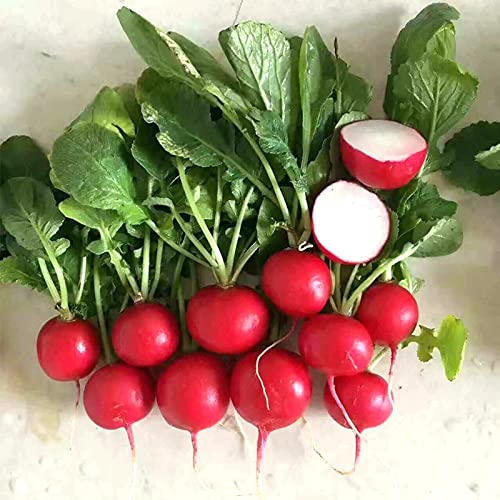
- Cherry Belle: The classic round, red radish. Ready in about 22 days. Mild flavor, crisp texture.
- French Breakfast: Elongated, red with a white tip. Mild and slightly sweet. Matures in 25–30 days.
- Daikon: A large, white Asian radish with a milder flavor. Grows best in cooler weather and takes 50–60 days.
- Watermelon Radish: Round with a pale green exterior and vibrant pink interior. Sweet and mild, takes about 60 days.
- Easter Egg Radish: A mix of colors (red, purple, white, pink). Fun for gardeners and kids, matures in 25–30 days.
For most home gardeners, fast-growing varieties like Cherry Belle or French Breakfast are ideal for a quick harvest. If you're looking to extend your growing season or try something different, consider Daikon or Watermelon radishes for a unique addition to your vegetable garden.
When and Where to Plant Radishes
Radishes are cool-weather crops. They thrive in spring and fall when temperatures are between 50°F and 65°F (10°C–18°C). In most regions, you can plant radishes as soon as the soil can be worked in early spring. For a continuous supply, practice succession planting every 1–2 weeks.
Choose a sunny spot with at least 6 hours of direct sunlight. Radishes can tolerate partial shade, but full sun produces the best growth. The soil should be loose, well-draining, and rich in organic matter. Avoid planting in heavy clay soil, which can cause radishes to become tough and misshapen.
How to Plant Radish Seeds
Follow these simple steps for a successful radish crop:
- Prepare the soil: Loosen the soil to a depth of 8–10 inches. Mix in a 1-inch layer of compost or well-rotted manure for added nutrients.
- Sow the seeds: Plant seeds ½ inch deep and 1 inch apart in rows spaced 6–8 inches apart.
- Water gently: Keep the soil consistently moist but not waterlogged. Using a gentle spray or drip irrigation system prevents seed displacement.
- Thin the seedlings: When seedlings are 2 inches tall, thin them to 2 inches apart. This provides enough room for the roots to develop properly.
💡 Pro Tip: Radishes are great companion plants for cucumbers, lettuce, and peas. They help deter pests and their quick growth makes them an excellent "marker" crop for slower-growing vegetables.
Caring for Your Radish Crop
Radishes are relatively low-maintenance, but a little care goes a long way in ensuring a crisp, flavorful harvest.
💧 Watering
Consistent moisture is key. Radishes need about 1 inch of water per week. Inconsistent watering can cause them to become woody or split. Mulching around the plants helps retain moisture and keep the soil cool.
🌿 Fertilizing
Radishes are light feeders. If you prepared the soil with compost, additional fertilizer is usually not necessary. Over-fertilizing (especially with nitrogen) can cause excessive leaf growth at the expense of the root.
🧹 Weeding
Keep the area around your radishes free from weeds, which compete for nutrients and water. A light hand-weeding or careful hoeing is all that's needed, as radishes have shallow roots.
Common Pests and Problems
Radishes are generally pest-resistant, but you might encounter a few issues. Flea beetles and root maggots are the most common pests. Use row covers to protect young plants, and practice natural pest control methods like companion planting or introducing beneficial insects. If you notice your radishes are too spicy or woody, it's often due to heat stress or harvesting too late.
How to Harvest and Store Radishes
Harvest radishes when they reach the size of a large marble or golf ball, depending on the variety. Most varieties are ready in 22–30 days. Don't leave them in the ground too long, as they become pithy and spicy.
- Harvesting: Gently pull the radishes from the soil. For varieties like Daikon, you may need to loosen the soil around the root first.
- Storing: Remove the tops (greens) to prevent moisture loss. Store radishes in a perforated plastic bag in the refrigerator for up to a week. They can also be pickled or preserved for longer storage.
Radish FAQ: Your Questions Answered
Can I grow radishes in containers?
Absolutely! Choose a container at least 6–8 inches deep and with good drainage. Follow the same planting and care guidelines as you would in the ground.
Why are my radishes all leaves and no root?
This is usually caused by too much nitrogen fertilizer, overly rich soil, or insufficient sunlight. Plant in a sunny spot and avoid high-nitrogen fertilizers.
Can I eat radish greens?
Yes! Radish greens are edible and nutritious. They can be sautéed, added to soups, or used in pesto. Just make sure to wash them thoroughly.
Now you're ready to grow your own radishes! Whether you're a seasoned gardener or just starting out, radishes are a rewarding and delicious crop. Let gardening inspire you to keep planting and harvesting throughout the season.