What Is the Best Fertilizer for Centipede Grass?
Centipede grass is a low-maintenance, warm-season turf that thrives with the right nutrition. Choosing the correct fertilizer — with the ideal NPK ratio and application schedule — is the key to a dense, vibrant, weed-resistant lawn. This guide covers everything you need to know to feed your centipede grass like a pro.
Shop Recommended FertilizersWhy Centipede Grass Has Unique Fertilizer Needs
Centipede grass (Eremochloa ophiuroides) is a slow-growing, low-input turfgrass that prefers acidic soils and moderate fertility. Unlike Bermuda or Zoysia, it does not tolerate high nitrogen levels. Over-fertilizing can lead to thatch buildup, iron deficiency, and disease susceptibility. The best fertilizer for centipede grass delivers a balanced, slow-release formula with minimal phosphorus and moderate potassium to support root health and stress tolerance.
Understanding the nutritional requirements of your lawn is the first step to success. For other lawn care challenges, you might also find our guides on weed control and liquid weed and feed helpful.
Understanding NPK: The Ideal Ratio for Centipede Grass
Fertilizer labels display three numbers: Nitrogen (N), Phosphorus (P), and Potassium (K). For centipede grass, the ideal NPK ratio is 15-0-15 or 15-5-10 with zero or very low phosphorus. Here's why:
- Nitrogen (N): Promotes leaf growth and color. Centipede grass needs only 1–2 lbs of actual nitrogen per 1,000 sq ft per year. Excess nitrogen causes excessive growth, thatch, and disease.
- Phosphorus (P): Supports root development and flowering. Most soils already contain sufficient phosphorus; adding more can lead to runoff pollution and iron chlorosis in centipede grass.
- Potassium (K): Enhances drought tolerance, cold hardiness, and disease resistance. Centipede grass benefits from moderate potassium levels, especially in sandy soils.
For more on soil health and amending your lawn, explore our composting guide and acid-loving plants section.
Organic vs. Synthetic Fertilizers: Which Is Better?
Both organic and synthetic fertilizers can work well for centipede grass, but they differ in nutrient release, cost, and environmental impact.
- Organic Fertilizers: Derived from plant, animal, or mineral sources (e.g., composted manure, bone meal, kelp). They release nutrients slowly, improve soil structure, and feed beneficial microbes. They are less likely to burn the lawn and are environmentally friendly. However, they may have lower NPK numbers and require more frequent applications.
- Synthetic Fertilizers: Manufactured from chemical compounds. They provide immediate nutrient availability, precise NPK ratios, and are often more affordable. Slow-release synthetic formulations (coated or sulfur-coated urea) are excellent for centipede grass because they feed gradually and reduce the risk of over-stimulation.
For most centipede lawns, a high-quality synthetic slow-release fertilizer with a ratio like 15-0-15 is the most practical choice. If you prefer organic, look for products like Espoma Organic Lawn Fertilizer or Milorganite, which are low in phosphorus and safe for centipede grass.
If you're also growing vegetables or flowers, check out our guides on best fertilizer for plants and raised bed gardening.
When and How to Apply Fertilizer to Centipede Grass
Timing is critical for centipede grass fertilization. Follow this seasonal schedule for best results:
- Spring (Late April – Early May): Apply the first fertilizer application after the grass has fully greened up and the danger of frost has passed. Use a balanced fertilizer like 15-0-15 at a rate of 0.5 to 1 lb of nitrogen per 1,000 sq ft.
- Summer (June – July): Apply a second dose of the same fertilizer, but reduce the nitrogen rate to 0.5 lb per 1,000 sq ft. Avoid fertilizing during the hottest part of summer to prevent stress.
- Fall (September – October): Apply a final application of potassium-rich fertilizer (e.g., 0-0-22 or 5-0-20) to strengthen the grass for winter dormancy. Do not apply nitrogen after early October, as it can encourage late growth that is susceptible to cold damage.
For more seasonal lawn care advice, see our spring gardening checklist and lawn care hub.
Common Fertilizer Mistakes to Avoid
- Over-fertilizing with Nitrogen: Too much nitrogen causes rapid growth, thatch buildup, and increased susceptibility to large patch disease.
- Using High-Phosphorus Fertilizers: Centipede grass is sensitive to phosphorus. High levels can induce iron chlorosis (yellowing leaves) and harm beneficial soil microbes.
- Fertilizing Too Early in Spring: Applying fertilizer before the grass breaks dormancy can waste nutrients and encourage weed growth.
- Ignoring Soil pH: Centipede grass cannot absorb nutrients efficiently if the pH is too high. Always test and adjust pH as needed.
To avoid these pitfalls, invest in a reliable soil tester and follow a consistent care routine. For stubborn lawn issues, our guides on weed control and natural weed removal can help.
Top Fertilizer Products for Centipede Grass
Based on our research and expert recommendations, these fertilizers are among the best for centipede grass. Each product is carefully selected for its NPK ratio, slow-release formulation, and positive customer reviews.
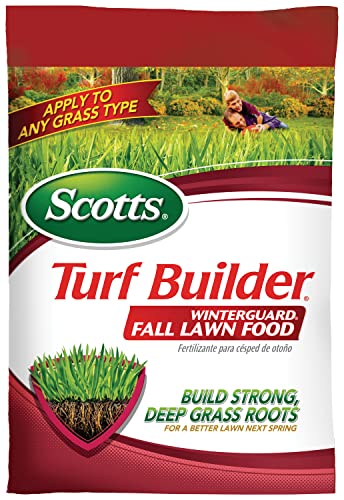
- Scotts Turf Builder Southern Lawn Food (30-0-10): A popular choice for warm-season grasses. Its high potassium content supports drought resistance.
- Lesco 15-0-15 Professional Turf Fertilizer: Ideal for centipede grass, this slow-release formula provides consistent nutrition with zero phosphorus.
- Milorganite 6-4-0: An organic, non-burning option that's safe for centipede grass. Low in phosphorus and rich in iron.
- Espoma Organic Lawn Starter Fertilizer (18-24-6): Great for new lawns or overseeding, but use sparingly on established centipede due to its phosphorus content.
- LawnStar 16-0-8 Liquid Fertilizer: A liquid option that delivers quick results and is easy to apply with a hose-end sprayer.
For a complete list of recommended products, scroll down to the Products Section below.
If you're also maintaining other areas of your landscape, explore our landscaping ideas and outdoor decor for inspiration.
Related Reading: To complement your centipede grass care, consider these articles:
Ready to Feed Your Centipede Grass?
Choosing the best fertilizer for centipede grass doesn't have to be complicated. With the right NPK ratio, proper timing, and a few smart practices, you can enjoy a lush, low-maintenance lawn all season long. Browse our curated selection of top-rated fertilizers below and take the guesswork out of lawn care.