Complete Indoor Plants Guide: Care, Benefits & Top Picks
Transform your home into a green oasis. Learn how to choose, care for, and enjoy the many benefits of indoor plants—from air purification to stress relief.
Explore Indoor PlantsLet Gardening Grow With You: Indoor plants do more than just decorate—they improve air quality, boost mood, and create a calming atmosphere. Whether you're a beginner or a seasoned plant parent, this guide covers everything you need to know to keep your houseplants thriving.
Why Grow Indoor Plants?
- Air Purification: Plants like NASA-recommended species remove toxins such as formaldehyde and benzene.
- Mood & Productivity: Studies show that greenery reduces stress and increases focus.
- Humidity Control: Plants release moisture, which can improve respiratory health.
- Biophilic Design: Bring nature indoors for a more relaxing and inviting space.
- Pet-Friendly Options: Many plants are safe for cats and dogs—see our pet-safe plant guide.
Top Indoor Plant Categories
Low Light Plants
Best for: Rooms with little natural light.
Examples: Snake Plant, ZZ Plant, Pothos
Perfect for offices, bathrooms, or north-facing rooms. These plants thrive with minimal sunlight. Learn more about low-light plants.
Air Purifying Plants
Best for: Improving indoor air quality.
Examples: Spider Plant, Peace Lily, Dracaena
These plants are proven to remove common indoor pollutants. See our air-purifying plants guide for more.
Pet-Friendly Plants
Best for: Homes with cats and dogs.
Examples: Calathea, Boston Fern, Parlor Palm
Keep your furry friends safe with non-toxic varieties. Visit our pet-safe list.
Hanging Plants
Best for: Saving space and adding vertical interest.
Examples: String of Pearls, English Ivy, Philodendron
Perfect for small spaces or to create a green curtain. Explore our hanging plants ideas.
Statement Plants
Best for: Filling empty corners and making an impact.
Examples: Fiddle Leaf Fig, Monstera, Kentia Palm
These large plants become the focal point of any room. Get care tips for the Fiddle Leaf Fig and more.
Succulents & Cacti
Best for: Bright, sunny spots and low-maintenance care.
Examples: Aloe Vera, Echeveria, Barrel Cactus
Water-wise and sculptural. Learn how to care for succulents and keep them happy.
Essential Indoor Plant Care
💧 Watering Wisely
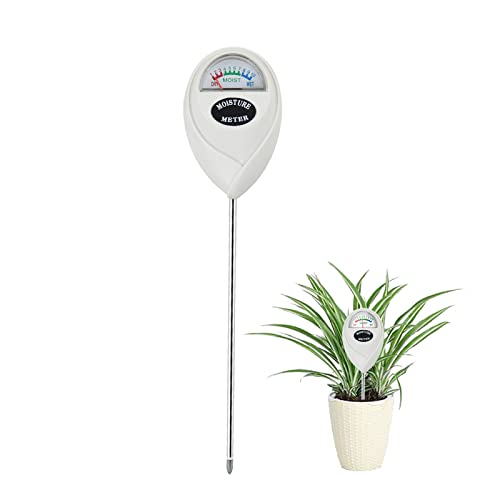
Overwatering is the #1 killer of indoor plants. Always check the soil moisture before watering—stick your finger about an inch deep. If it's dry, water thoroughly; if damp, wait. For more details, visit our complete watering guide.
☀️ Light Requirements
Understand your light conditions: bright direct, bright indirect, medium, or low light. Most houseplants prefer bright, indirect light. For low-light options, check our low-light plant recommendations.
🌱 Soil & Fertilizer
Use a quality potting mix appropriate for your plant type. Fertilize during the growing season (spring & summer) with a balanced, water-soluble fertilizer. Read our guide on best fertilizers for indoor plants.
🐜 Pest Prevention
Common pests include spider mites, mealybugs, and fungus gnats. Inspect new plants, isolate infested ones, and use natural remedies like neem oil. Learn more in our natural pest control guide.
Popular Indoor Plant Profiles
Hardy, low-light, air-purifying
Trailing or climbing, easy care
Striking foliage, great for corners
Medicinal, drought-tolerant
Winter blooms, low maintenance
Fragrant, sunny spot required
Seasonal Tip: Indoor plants respond to seasonal changes. Reduce watering in winter, increase humidity in summer, and rotate pots for even growth. For a full year-round plan, see our year-round gardening guide.