Dracaena Plant Care Guide: Types, Benefits & Growing Tips
Let gardening inspire you with our complete Dracaena care guide. From light & water to propagation & varieties — grow a thriving Dracaena today.
START CARING FOR YOUR DRACAENADracaena is a genus of over 120 species of lush, upright houseplants beloved for their striking foliage and air-purifying qualities. Native to Africa, Asia, and Central America, these resilient plants thrive indoors with minimal fuss, making them perfect for beginners and seasoned plant parents alike.
🌿 Let Gardening Insight: Dracaena plants are not only beautiful but also rank among the top NASA clean-air plants. They effectively filter formaldehyde, benzene, and trichloroethylene from indoor air, creating a healthier home environment.
Popular Dracaena Varieties
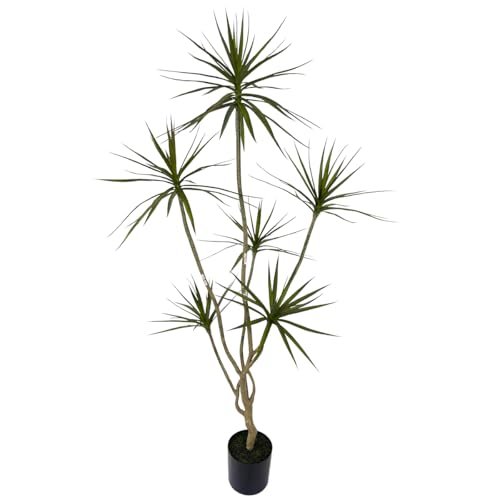
Dracaena marginata
Known as the Madagascar dragon tree, this variety features slender, arching leaves with red-purple edges. It's drought-tolerant and grows up to 6 feet indoors.
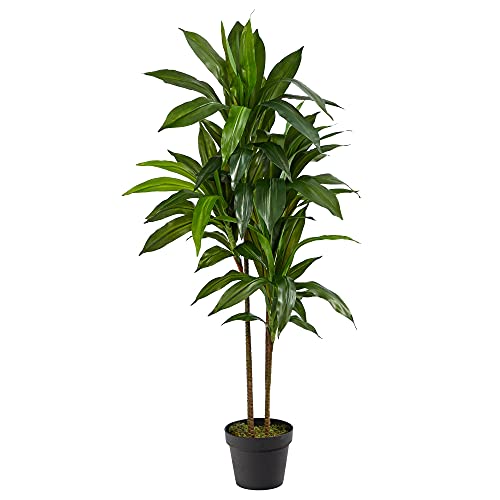
Dracaena fragrans (Corn Plant)
Broad, glossy green leaves with a yellow stripe down the center. The corn plant is slow-growing, forgiving, and can reach 4–6 feet in height.
Dracaena sanderiana (Lucky Bamboo)
Often grown in water, this compact Dracaena features canelike stems and bright green leaves. It's a symbol of good luck and thrives in low light.
Dracaena reflexa (Song of India)
Beautiful yellow-and-green variegated leaves that grow in dense whorls. This shrubby Dracaena adds a tropical flair to any room.
Dracaena Care Basics: Light, Water & Soil
Essential Care Tips for a Thriving Dracaena
- Light: Bright, indirect light is ideal; they tolerate low light but grow slower.
- Water: Let the top 1–2 inches of soil dry out between waterings. Overwatering causes root rot.
- Soil: Well-draining potting mix with peat moss or perlite.
- Humidity: Average indoor humidity is fine; mist occasionally in dry climates.
- Temperature: 65–80°F (18–27°C); avoid cold drafts.
- Fertilizer: Feed with a balanced liquid fertilizer every 4–6 weeks during spring and summer.
- Pruning: Trim yellow or brown leaves to encourage new growth.
Dracaena plants are remarkably adaptable, but they do have a few quirks. They are sensitive to fluoride and chlorine in tap water, which can cause brown leaf tips. Use filtered or distilled water for best results. If you notice leaf drop, it’s often a sign of overwatering or temperature stress. For more detailed guidance, explore our low-light indoor plants care series.
Propagation & Repotting Dracaena
Propagation methods: Dracaena can be propagated via stem cuttings, air layering, or division. The most common and successful method is stem cuttings:
- Cut a 4–6 inch stem section with at least 2–3 nodes.
- Remove lower leaves and place the cutting in water or moist soil.
- Roots should appear in 3–6 weeks. Once roots are 1–2 inches long, transfer to a pot.
- Repot every 2–3 years in spring, using a pot only 1–2 inches larger in diameter.
Learn more about plant propagation techniques for other houseplants too.
Common Dracaena Problems (and How to Fix Them)
Brown Leaf Tips
Usually caused by fluoride, chlorine, or dry air. Use filtered water and increase humidity with a pebble tray or humidifier.
Yellowing Leaves
Often a sign of overwatering. Check soil moisture and ensure pots have drainage holes. Reduce watering frequency.
Pests (Spider Mites, Mealybugs)
Wipe leaves with neem oil or insecticidal soap. Isolate affected plants and increase air circulation.
Leggy Growth
Insufficient light causes stretching. Move to a brighter spot (indirect light) and prune back to encourage bushier growth.
Health Benefits & Air Purification
Dracaena plants are renowned for their ability to remove airborne toxins. According to the NASA Clean Air Study, Dracaena species are effective at eliminating formaldehyde, xylene, and toluene. They also release oxygen and increase indoor humidity, which can reduce respiratory issues and improve sleep quality.
For pet owners, it's important to note that Dracaena is mildly toxic to cats and dogs if ingested. Keep plants out of reach or opt for pet-friendly plants if you have curious furry friends.
Styling Dracaena in Your Home
With their vertical growth and architectural forms, Dracaena plants add a modern, sculptural element to any room. Place a tall Dracaena marginata in a corner to draw the eye upward, or group smaller varieties like Dracaena sanderiana on a side table. They pair beautifully with ferns, philodendrons, and snake plants for a lush, tropical vibe.
Consider using decorative pots that complement your interior color palette — terracotta, ceramic, or woven baskets all work well. For more indoor plant styling ideas, browse our flower garden and indoor gardening sections.
Choosing a Healthy Dracaena: Buying Guide
- Leaves: Look for vibrant, firm leaves without brown spots or yellowing edges.
- Stems: Should be sturdy and upright; avoid plants with soft or mushy stems.
- Roots: If possible, check that roots are white or light tan (not dark or mushy).
- Pests: Inspect the undersides of leaves for webbing or sticky residue.
- Size: Choose a size that fits your space. Smaller plants (6–12 inches) are perfect for desktops, while larger specimens (3–6 feet) make dramatic floor plants.
Once you've selected your Dracaena, bring it home and let it acclimate for a week before repotting. With proper care, your Dracaena will reward you with years of elegant, air-purifying beauty.
Frequently Asked Questions About Dracaena
Is Dracaena safe for pets? No, Dracaena is toxic to cats and dogs. Choose pet-safe alternatives if you have pets.
How often should I water my Dracaena? Water when the top 1–2 inches of soil are dry — typically every 7–10 days, depending on light and temperature.
Can Dracaena grow in low light? Yes, many varieties tolerate low light, but they thrive best in bright, indirect light.
Why are my Dracaena leaves turning brown? Brown tips are often caused by fluoride in water, dry air, or inconsistent watering. Use filtered water and increase humidity.