Philodendron Plant Care Guide
Your complete resource for growing lush, healthy philodendrons. From popular varieties to watering, light, and troubleshooting — let gardening guide you to indoor plant success.
Why Philodendrons? Philodendrons are among the most popular and forgiving houseplants, making them perfect for beginners and experienced gardeners alike. With their stunning foliage and air-purifying qualities, they bring life to any indoor space. Let gardening help you unlock the secrets to a thriving philodendron.
Popular Philodendron Varieties
🌿 Heartleaf Philodendron
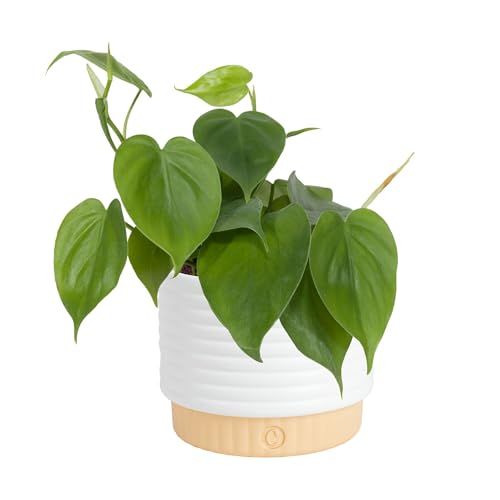
Philodendron hederaceum — The classic trailing plant with heart-shaped leaves. Perfect for hanging baskets or shelves. Tolerates low light and irregular watering.
🌱 Brasil Philodendron
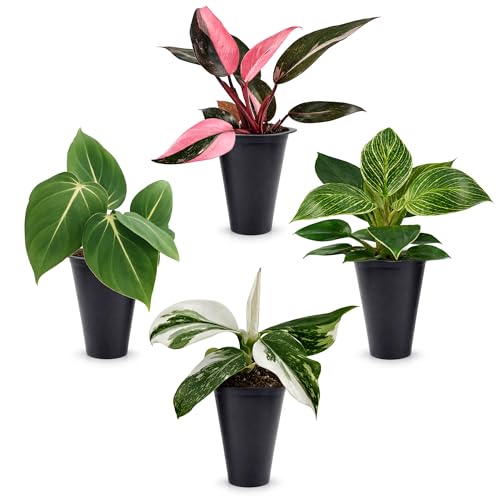
A variegated version of the heartleaf with striking lime-green and dark-green stripes. Adds a pop of color and grows vigorously in bright indirect light.
🍃 Pink Princess Philodendron
Highly sought-after for its dark green leaves with vibrant pink variegation. Requires bright, indirect light to maintain its unique coloration.
🌴 Xanadu Philodendron
A self-heading (non-climbing) variety with deeply lobed, glossy leaves. Compact and bushy, perfect for floor plants or large containers.
Essential Philodendron Care
💡 Light Requirements
Most philodendrons thrive in bright, indirect light. Avoid direct sun, which can scorch leaves. They also tolerate low light, but growth may slow. For low light plants, heartleaf philodendrons are an excellent choice.
💧 Watering Schedule
Water when the top 1-2 inches of soil feel dry. Overwatering is a common issue — ensure your pot has drainage holes. In winter, reduce watering frequency. For more watering guidance, check our watering guide.
🌱 Soil & Potting
Use a well-draining potting mix, ideally with peat moss and perlite. Philodendrons prefer slightly acidic soil (pH 5.5–6.5). Repot every 2–3 years to refresh nutrients and prevent root binding.
🌡️ Temperature & Humidity
Philodendrons love warmth (65–80°F) and moderate to high humidity. Mist occasionally or place near a water feature for extra moisture. Keep away from drafts and air conditioning vents.
Common Problems & Solutions
🍂 Yellowing Leaves
Often caused by overwatering or poor drainage. Check soil moisture and adjust your watering schedule. Ensure your pot has drainage holes. If leaves are yellow and droopy, you may need to check for root rot.
🌿 Brown Leaf Tips
Usually a sign of low humidity or fluoride in tap water. Use filtered water and increase humidity with a pebble tray or humidifier. Learn more about indoor plant care for dry environments.
🐛 Pests
Common pests include spider mites, mealybugs, and aphids. Wipe leaves with a damp cloth and treat with insecticidal soap or neem oil. For natural solutions, explore our natural pest control methods.
📉 Leggy Growth
Insufficient light causes long, sparse stems. Move your plant to a brighter location (indirect light) and prune back leggy stems to encourage bushier growth.
🌱 Pro Tip: Philodendrons are NASA clean air champions — they help remove formaldehyde and other VOCs from the air. Place them in your bedroom or living room for better air quality.
✂️ Pruning: Regularly trim dead or yellowing leaves to keep your plant healthy and encourage new growth. You can also propagate stem cuttings in water or soil to grow new plants.
🌿 Support: Climbing varieties like the Heartleaf or Pink Princess benefit from a moss pole or trellis. This promotes larger leaves and a more dramatic display.
Choosing Your Philodendron
When selecting a philodendron, consider your space and light conditions. For hanging baskets, choose trailing varieties like Heartleaf or Brasil. For floor plants, opt for self-heading types like Xanadu or Congo. Always inspect for pests and healthy foliage before purchase. Most philodendrons are pet-friendly (though it's best to keep them out of reach of curious pets).
Frequently Asked Questions
Is philodendron safe for pets?
Philodendrons are mildly toxic to cats and dogs if ingested due to calcium oxalate crystals. Keep them out of reach. For pet-safe options, see our pet-friendly plants guide.
Can I grow philodendron in water?
Yes! Many philodendrons root easily in water. Change the water every 1–2 weeks and transition to soil once roots are 1–2 inches long.
Why are my philodendron leaves curling?
Curling leaves often indicate underwatering or low humidity. Check soil moisture and mist regularly. Also ensure the plant isn't in a drafty spot.
How fast do philodendrons grow?
In optimal conditions, trailing varieties can grow several feet per year. Self-heading types grow more slowly. Providing bright indirect light and regular feeding (monthly in spring/summer) boosts growth.
Ready to bring a philodendron home? Explore our recommended products below, including premium potting mixes, stylish planters, and care accessories to help your plant thrive.